- Today
- Holidays
- Birthdays
- Reminders
- Cities
- Atlanta
- Austin
- Baltimore
- Berwyn
- Beverly Hills
- Birmingham
- Boston
- Brooklyn
- Buffalo
- Charlotte
- Chicago
- Cincinnati
- Cleveland
- Columbus
- Dallas
- Denver
- Detroit
- Fort Worth
- Houston
- Indianapolis
- Knoxville
- Las Vegas
- Los Angeles
- Louisville
- Madison
- Memphis
- Miami
- Milwaukee
- Minneapolis
- Nashville
- New Orleans
- New York
- Omaha
- Orlando
- Philadelphia
- Phoenix
- Pittsburgh
- Portland
- Raleigh
- Richmond
- Rutherford
- Sacramento
- Salt Lake City
- San Antonio
- San Diego
- San Francisco
- San Jose
- Seattle
- Tampa
- Tucson
- Washington
Weld County Approves Industrial Zoning for Data Centers
New regulations restrict data center development to industrial areas only
Apr. 8, 2026 at 5:53am
Got story updates? Submit your updates here. ›
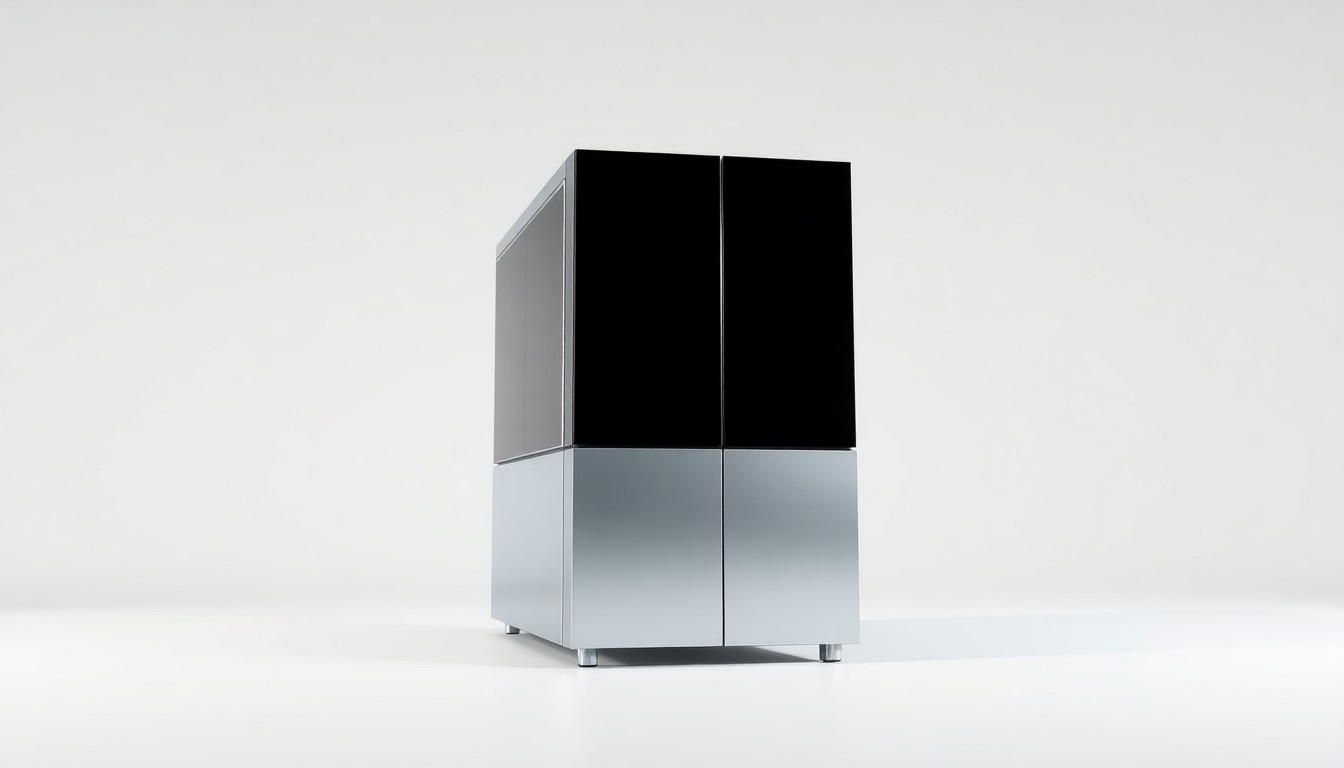 Weld County's new zoning code aims to strategically manage the growth of data centers by confining them to designated industrial areas.Greeley Today
The Weld County commissioners have approved a new zoning code that restricts the development of data centers to industrial zones only. In a 4-1 vote, the commissioners established regulations for data center developers and dictated where they can be constructed, as the county seeks to get ahead of potential growth in the industry.
Why it matters
With two bills being discussed in the Colorado Legislature that could incentivize data centers to locate in the state, Weld County wanted to proactively put zoning regulations in place to control where these facilities can be built. The new code ensures data centers will be confined to designated industrial areas rather than potentially encroaching on other parts of the county.
The details
The new land use code establishes specific regulations for data center developers in Weld County. It dictates that data centers can only be constructed in designated industrial zones, whereas previously the county had no regulations specifically for these types of facilities.
- The Weld County commissioners approved the new zoning code this week.
- The vote was 4-1 in favor of the new regulations.
The players
Weld County Commissioners
The governing body of Weld County, Colorado that approved the new zoning code for data centers.
The takeaway
Weld County's proactive move to restrict data centers to industrial zones reflects a broader trend of local governments seeking to manage the growth of the tech industry and ensure it aligns with community priorities around land use and development.