- Today
- Holidays
- Birthdays
- Reminders
- Cities
- Atlanta
- Austin
- Baltimore
- Berwyn
- Beverly Hills
- Birmingham
- Boston
- Brooklyn
- Buffalo
- Charlotte
- Chicago
- Cincinnati
- Cleveland
- Columbus
- Dallas
- Denver
- Detroit
- Fort Worth
- Houston
- Indianapolis
- Knoxville
- Las Vegas
- Los Angeles
- Louisville
- Madison
- Memphis
- Miami
- Milwaukee
- Minneapolis
- Nashville
- New Orleans
- New York
- Omaha
- Orlando
- Philadelphia
- Phoenix
- Pittsburgh
- Portland
- Raleigh
- Richmond
- Rutherford
- Sacramento
- Salt Lake City
- San Antonio
- San Diego
- San Francisco
- San Jose
- Seattle
- Tampa
- Tucson
- Washington
Grand Valley Approves $100K Study for Zero-Emission Public Transit
The research aims to explore renewable gas production and evaluate existing compressed natural gas bus fleets.
Jan. 28, 2026 at 7:31pm
Got story updates? Submit your updates here. ›
Mesa County Commissioners in Colorado have approved $100,000 in funding for a study to explore how the Grand Valley can transition its public transit system to zero-emission vehicles. The study will look at increasing renewable gas production, review emerging technologies, and evaluate how many existing compressed natural gas (CNG) bus fleets can be considered zero-emission due to renewable natural gas.
Why it matters
The Grand Valley is seeking a more affordable path to zero-emission public transit compared to the high costs of battery electric buses. By leveraging the region's existing CNG infrastructure, the county believes it can achieve its sustainability goals in a more cost-effective manner.
The details
County Commissioner JJ Fletcher says the study 'gives us a long-term picture of what buses will look like for the future.' County Commissioner Cody Davis explained that while 'electric's great,' the battery electric route is 'just too pricey' for the Grand Valley. The study is 90% funded through state Clean Transit Enterprise Grant Funds, with a $10,000 local match from the Grand Valley Transit intergovernmental agreement.
- On Tuesday, Mesa County Commissioners announced the plans to fund the $100,000 study.
- The study is expected to take around one to two years to complete.
The players
JJ Fletcher
A Mesa County Commissioner.
Cody Davis
A Mesa County Commissioner.
Grand Valley Transit
The public transit agency serving the Grand Valley region of Colorado.
What they’re saying
“It gives us a long-term picture of what buses will look like for the future.”
— JJ Fletcher, Mesa County Commissioner
“Electric's great. It serves a purpose in certain areas. We don't have an abundance of CNG, but we have CNG available. Therefore, we might as well use it. It's more affordable. You need less buses.”
— Cody Davis, Mesa County Commissioner
What’s next
The study is expected to take around one to two years to complete, after which the county commissioners will review the findings and determine the next steps for transitioning the Grand Valley's public transit system to zero-emission vehicles.
The takeaway
The Grand Valley's approach to zero-emission public transit highlights how regions with existing compressed natural gas infrastructure can leverage that asset to achieve sustainability goals in a more cost-effective manner than relying solely on battery electric buses, which can be prohibitively expensive for some communities.
Grand Junction top stories



Grand Junction events
Apr. 18, 2026
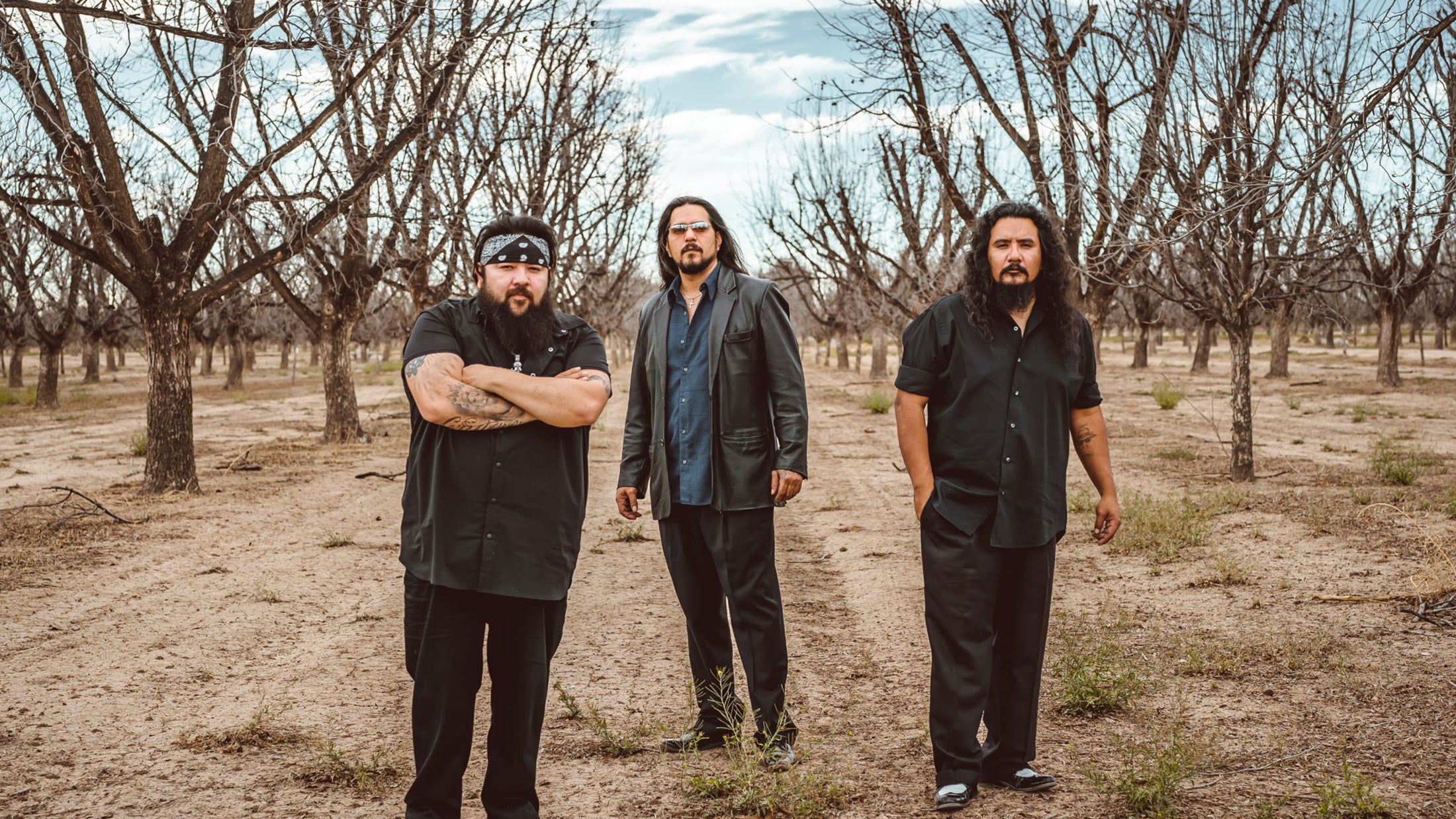
Los Lonely Boys