- Today
- Holidays
- Birthdays
- Reminders
- Cities
- Atlanta
- Austin
- Baltimore
- Berwyn
- Beverly Hills
- Birmingham
- Boston
- Brooklyn
- Buffalo
- Charlotte
- Chicago
- Cincinnati
- Cleveland
- Columbus
- Dallas
- Denver
- Detroit
- Fort Worth
- Houston
- Indianapolis
- Knoxville
- Las Vegas
- Los Angeles
- Louisville
- Madison
- Memphis
- Miami
- Milwaukee
- Minneapolis
- Nashville
- New Orleans
- New York
- Omaha
- Orlando
- Philadelphia
- Phoenix
- Pittsburgh
- Portland
- Raleigh
- Richmond
- Rutherford
- Sacramento
- Salt Lake City
- San Antonio
- San Diego
- San Francisco
- San Jose
- Seattle
- Tampa
- Tucson
- Washington
Strait of Hormuz Remains Tense as Ship Traffic Stalls
Ceasefire agreement fails to revive shipping activity through critical global trade chokepoint
Apr. 13, 2026 at 5:55am
Got story updates? Submit your updates here. ›
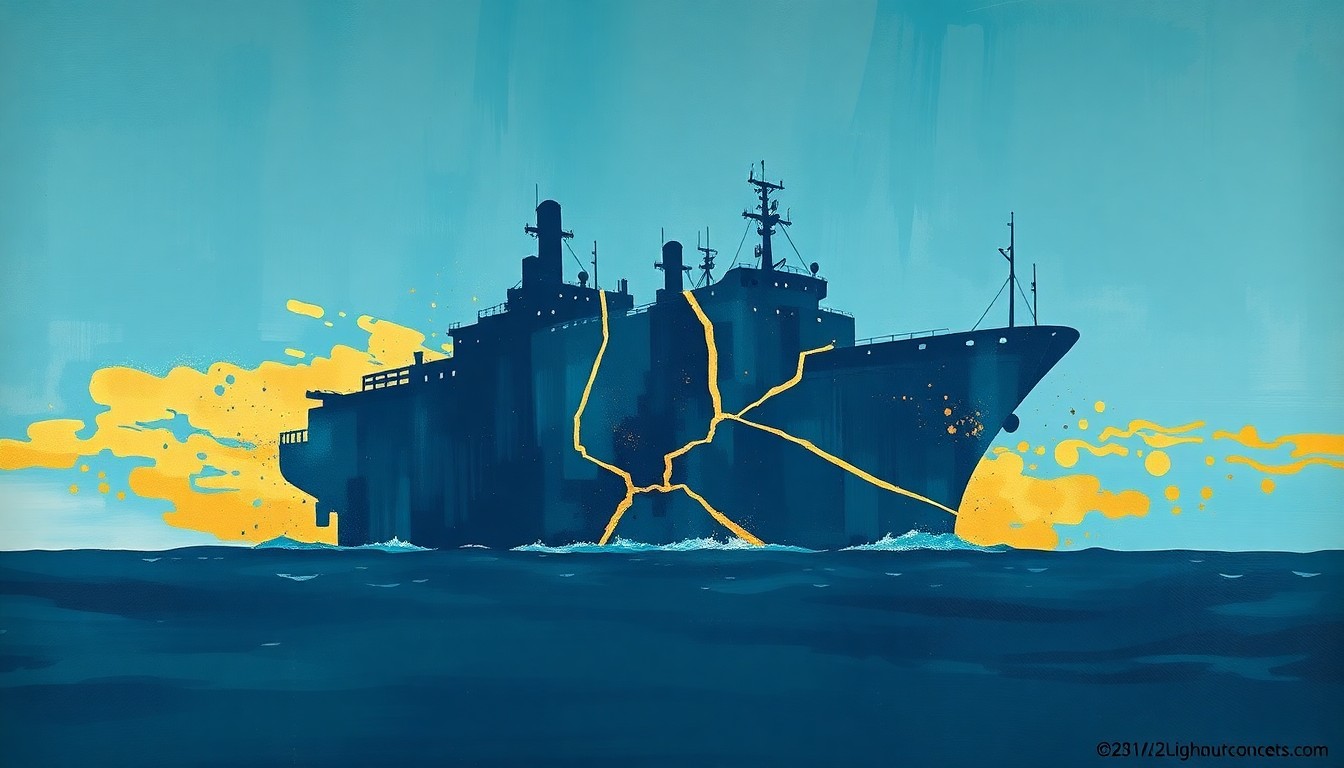 The Strait of Hormuz, a vital global trade route, remains in a state of flux as tensions between regional powers disrupt the free flow of maritime traffic.Denver Today
The Strait of Hormuz, a vital global shipping lane, remains at a standstill despite a ceasefire agreement between Iran, the US, and Israel. Ship traffic through the strait has plummeted from an average of 130 vessels per day pre-war to just seven in the past 24 hours, underscoring the ongoing tensions and the complex dynamics at play.
Why it matters
The closure of the Strait of Hormuz has profound economic implications, disrupting global supply chains and impacting the supply of oil and gas, particularly in Asia. The high insurance costs and risks for ships transiting the strait have made many operators reluctant to use the route, further exacerbating the situation.
The details
Iran's conditional lifting of the blockade, allowing safe passage through the strait with coordination from its armed forces, has not resulted in a surge of ship activity. Only seven vessels, including six bulk cargo carriers and one oil and chemical tanker, have been recorded in the past day, with some taking alternative routes along Iran's coast. The Chinese-owned oil and chemical tanker's path was particularly intriguing, as its tracking data disappeared, suggesting potential tracking issues or deliberate actions to avoid detection.
- The war with Iran has significantly reduced the number of ships transiting the strait, from an average of 130 vessels per day pre-war to just seven in the past 24 hours.
- The ceasefire agreement, which includes talks planned in Pakistan, has not yet led to a significant increase in ship traffic.
The players
Iran
A country that has been at the center of the tense standoff in the Strait of Hormuz, imposing a blockade and now conditionally lifting it.
United States
A key player in the conflict, with tensions escalating between the US and Iran over the control of the critical shipping lane.
Israel
Another country involved in the tense standoff in the Strait of Hormuz, contributing to the complex dynamics in the region.
What’s next
The future of global oil and gas supply chains depends on the resolution of this conflict and the establishment of a stable and secure shipping environment through the Strait of Hormuz.
The takeaway
The ongoing tensions and the complex dynamics surrounding the Strait of Hormuz highlight the vulnerability of global trade and the need for a diplomatic solution to ensure the free flow of maritime traffic through this critical chokepoint.
Denver top stories



Denver events

Apr. 13, 2026
Bloodywood: System Of A Brown Tour 2026
Apr. 13, 2026
Bloodywood: System Of A Brown Tour 2026
Apr. 13, 2026
NETTSPEND - early life crisis tour