- Today
- Holidays
- Birthdays
- Reminders
- Cities
- Atlanta
- Austin
- Baltimore
- Berwyn
- Beverly Hills
- Birmingham
- Boston
- Brooklyn
- Buffalo
- Charlotte
- Chicago
- Cincinnati
- Cleveland
- Columbus
- Dallas
- Denver
- Detroit
- Fort Worth
- Houston
- Indianapolis
- Knoxville
- Las Vegas
- Los Angeles
- Louisville
- Madison
- Memphis
- Miami
- Milwaukee
- Minneapolis
- Nashville
- New Orleans
- New York
- Omaha
- Orlando
- Philadelphia
- Phoenix
- Pittsburgh
- Portland
- Raleigh
- Richmond
- Rutherford
- Sacramento
- Salt Lake City
- San Antonio
- San Diego
- San Francisco
- San Jose
- Seattle
- Tampa
- Tucson
- Washington
The Lost Power of Family Dinner: How Shared Meals Built Emotional Stability in Kids
A kitchen table that outlived a trend: why the simplest family ritual may be the strongest predictor of emotional stability
Apr. 12, 2026 at 7:19pm
Got story updates? Submit your updates here. ›
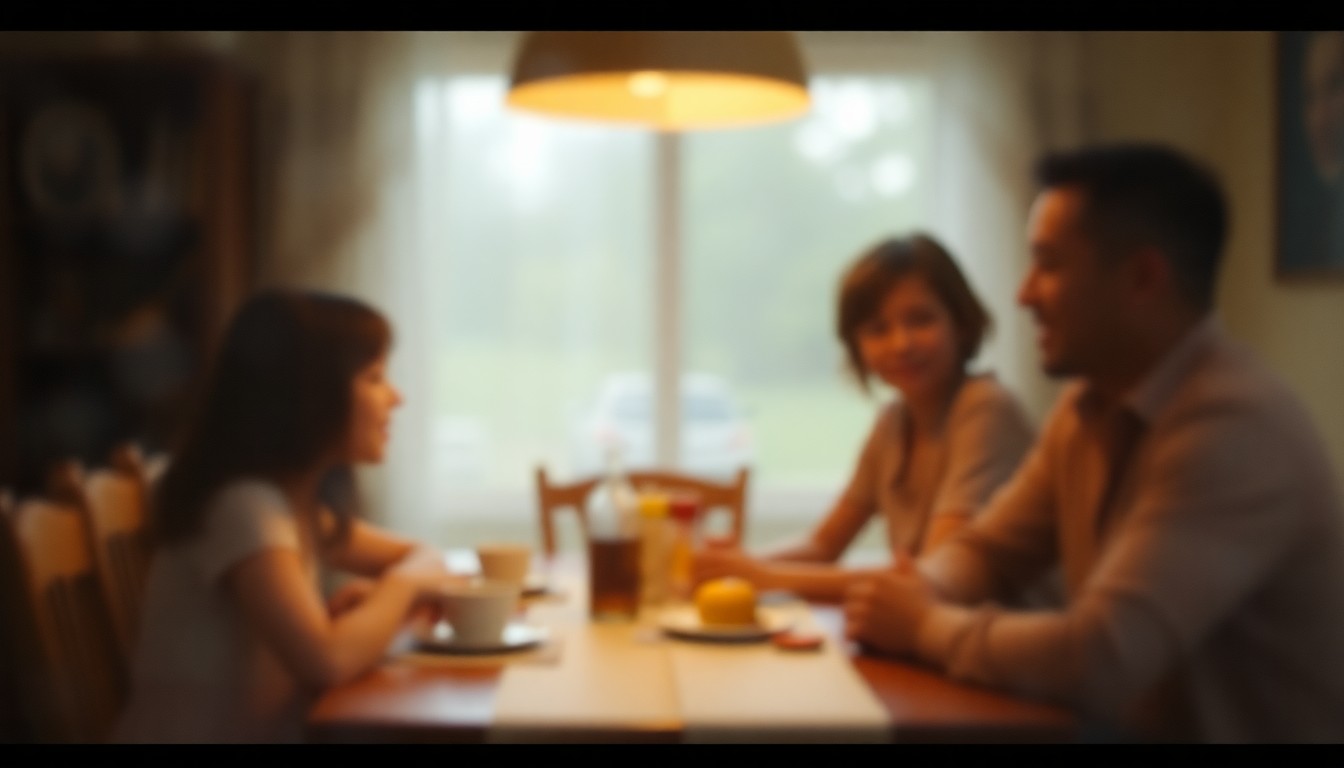 The simple act of sharing a meal together can build a foundation of emotional stability and belonging that lasts long after the plates are cleared.Denver Today
A deeper look at how the decline of the family dinner ritual has impacted children's emotional development and overall well-being. The article explores how predictable, shared meals taught children to regulate their nervous system and feel a sense of belonging, and how the shift away from this tradition has contributed to broader cultural changes around food, family, and community.
Why it matters
The article suggests that the family dinner functioned as a stabilizing psychological infrastructure for children, providing a dependable routine that buffered stress and uncertainty. Its erosion is tied to broader societal shifts around work, commuting, and the food industry that have eroded shared time and intimacy within families.
The details
The piece argues that the family dinner was not just about manners, but about creating a dependable psychological habitat for children. The predictable timing, shared presence, and mundane rituals of passing food taught kids that the world has patterns and that they belong. This soft architecture quietly shaped children's emotional development over years. However, longer work hours, grueling commutes, and the rise of processed, single-serve meals have chipped away at this stabilizing tradition.
- The family dinner ritual has been eroding for decades as societal shifts have made shared mealtimes more difficult to maintain.
The players
The Family Dinner
A longstanding ritual of families gathering together at a set time and place to share a meal, which served as a stabilizing psychological infrastructure for children.
Processed and Convenience Foods
The rise of packaged, single-serve meals that have replaced the shared experience of home-cooked family dinners.
Work and Commuting Demands
Longer work hours and grueling commutes that have made it more difficult for families to maintain a predictable dinner routine.
What’s next
The article suggests that rebuilding the family dinner ritual, in whatever form works for modern families, could have profound benefits for children's emotional development and overall well-being. Policymakers and families alike are challenged to reconfigure time and priorities to make shared meals a living practice that adapts to the fast-paced, individualistic era.
The takeaway
The family dinner, as a mundane rehearsal of stability, may be one of the strongest, most underappreciated tools in shaping resilient, emotionally literate humans. Reclaiming this ritual, in whatever form it takes, could help revive healthier eating patterns and a stronger sense of belonging and trust within families and communities.
Denver top stories



Denver events

Apr. 13, 2026
Bloodywood: System Of A Brown Tour 2026
Apr. 13, 2026
Bloodywood: System Of A Brown Tour 2026
Apr. 13, 2026
NETTSPEND - early life crisis tour