- Today
- Holidays
- Birthdays
- Reminders
- Cities
- Atlanta
- Austin
- Baltimore
- Berwyn
- Beverly Hills
- Birmingham
- Boston
- Brooklyn
- Buffalo
- Charlotte
- Chicago
- Cincinnati
- Cleveland
- Columbus
- Dallas
- Denver
- Detroit
- Fort Worth
- Houston
- Indianapolis
- Knoxville
- Las Vegas
- Los Angeles
- Louisville
- Madison
- Memphis
- Miami
- Milwaukee
- Minneapolis
- Nashville
- New Orleans
- New York
- Omaha
- Orlando
- Philadelphia
- Phoenix
- Pittsburgh
- Portland
- Raleigh
- Richmond
- Rutherford
- Sacramento
- Salt Lake City
- San Antonio
- San Diego
- San Francisco
- San Jose
- Seattle
- Tampa
- Tucson
- Washington
EU Divided on Response to Iran Crisis
Varying approaches within the bloc complicate a unified stance as tensions escalate in the Middle East.
Apr. 11, 2026 at 9:55pm
Got story updates? Submit your updates here. ›
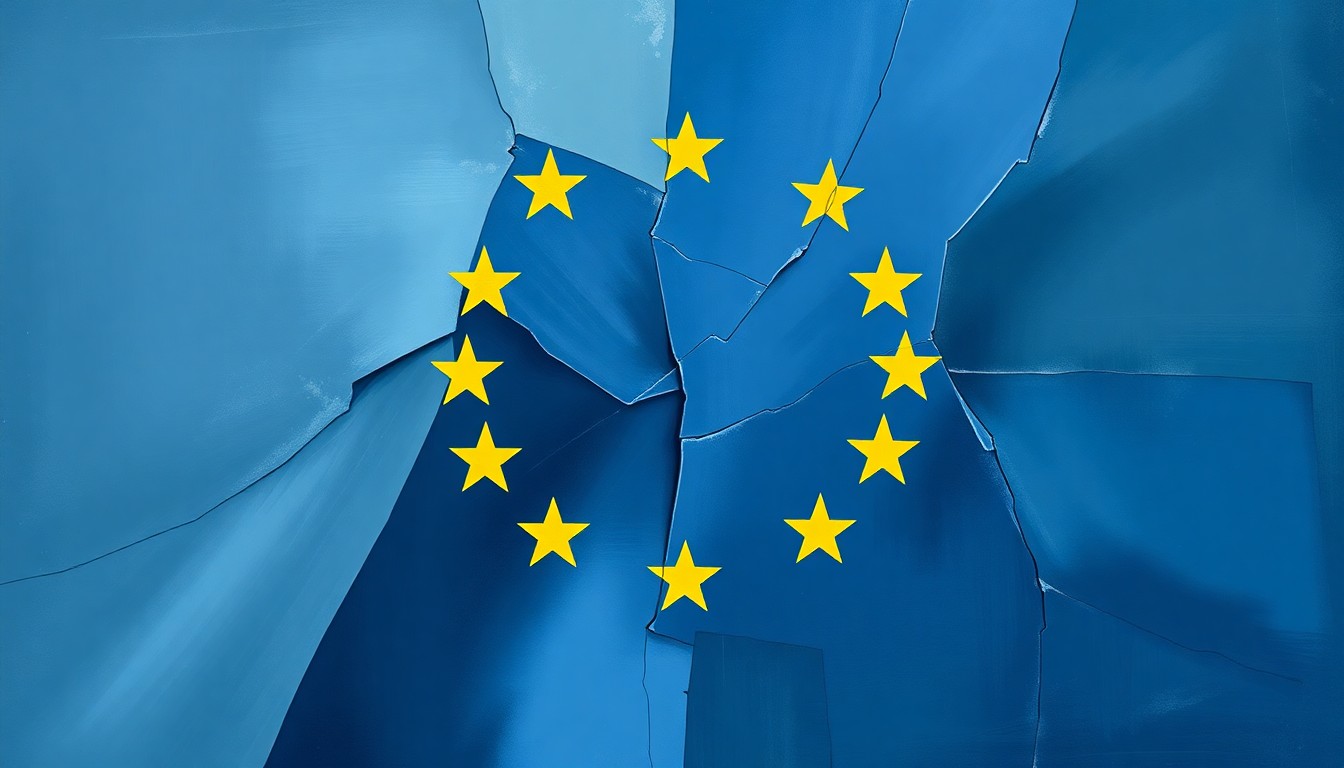 The EU's response to the Iran crisis exposes deep internal divisions, as the bloc struggles to present a unified front on the global stage.Denver Today
The European Union finds itself in a delicate position as it grapples with the complex and multifaceted issue of the Iran crisis. With various factions within the bloc taking different approaches, the EU's response has become increasingly divided. From Hungary's political maneuvering to the practical considerations surrounding the Druzhba pipeline, the EU's leadership is responding in parallel rather than tandem, indicating an internal struggle for influence.
Why it matters
The EU's ability to present a cohesive and effective response to the Iran crisis is crucial, as the situation has the potential to impact the bloc's foreign policy interests and the stability of the Middle East. The internal divisions within the EU could undermine its diplomatic efforts and limit its influence in the region.
The details
The recent conflict between the United States and Israel, and their subsequent strikes against Iran, have put European leaders in a tricky spot. The EU's top diplomat, Kaja Kallas, has urged restraint, emphasizing the perilous nature of the situation. However, the bloc's internal divisions are becoming more apparent. In Hungary, Prime Minister Viktor Orbán's party is leveraging the oil price shock caused by the Iran war in their election campaign, accusing the opposition of conspiring with the EU and Ukraine to deprive Hungary of its access to cheap Russian oil. Additionally, the Druzhba pipeline, a crucial oil supply route, has been damaged, and Hungary and Slovakia are pushing for a fact-finding mission to assess its repairability.
- The recent conflict between the United States and Israel, and their subsequent strikes against Iran, have put European leaders in a tricky spot.
- The EU's top diplomat, Kaja Kallas, has urged restraint, emphasizing the perilous nature of the situation.
- In Hungary, Prime Minister Viktor Orbán's party is leveraging the oil price shock caused by the Iran war in their election campaign.
- The Druzhba pipeline, a crucial oil supply route, has been damaged, and Hungary and Slovakia are pushing for a fact-finding mission to assess its repairability.
The players
Kaja Kallas
The EU's top diplomat who has urged restraint in the Iran crisis.
Viktor Orbán
The Prime Minister of Hungary, whose party is leveraging the oil price shock caused by the Iran war in their election campaign.
What they’re saying
“We must urge restraint and emphasize the perilous nature of the situation.”
— Kaja Kallas, EU Top Diplomat
“The opposition is conspiring with the EU and Ukraine to deprive Hungary of its access to cheap Russian oil.”
— Viktor Orbán, Prime Minister of Hungary
What’s next
The EU will need to work to find a united front and coordinate a cohesive response to the Iran crisis, as the bloc's internal divisions could undermine its diplomatic efforts and limit its influence in the region.
The takeaway
The EU's response to the Iran crisis highlights the complex and multifaceted nature of the bloc's foreign policy, with various factions within the EU taking different approaches. The inability to present a united front could undermine the EU's influence and effectiveness in addressing this critical international issue.
Denver top stories


Denver events

Apr. 14, 2026
Paramount Theatre Club Seating: Dropout Improv
Apr. 14, 2026
Die Krupps
Apr. 14, 2026
Dropout Improv: Spring 2026 Tour