- Today
- Holidays
- Birthdays
- Reminders
- Cities
- Atlanta
- Austin
- Baltimore
- Berwyn
- Beverly Hills
- Birmingham
- Boston
- Brooklyn
- Buffalo
- Charlotte
- Chicago
- Cincinnati
- Cleveland
- Columbus
- Dallas
- Denver
- Detroit
- Fort Worth
- Houston
- Indianapolis
- Knoxville
- Las Vegas
- Los Angeles
- Louisville
- Madison
- Memphis
- Miami
- Milwaukee
- Minneapolis
- Nashville
- New Orleans
- New York
- Omaha
- Orlando
- Philadelphia
- Phoenix
- Pittsburgh
- Portland
- Raleigh
- Richmond
- Rutherford
- Sacramento
- Salt Lake City
- San Antonio
- San Diego
- San Francisco
- San Jose
- Seattle
- Tampa
- Tucson
- Washington
Western US Faces Early Water Rationing After Snow Drought
Ski slopes are closed, sprinklers banned as drought conditions worsen across the region.
Apr. 3, 2026 at 11:00am
Got story updates? Submit your updates here. ›
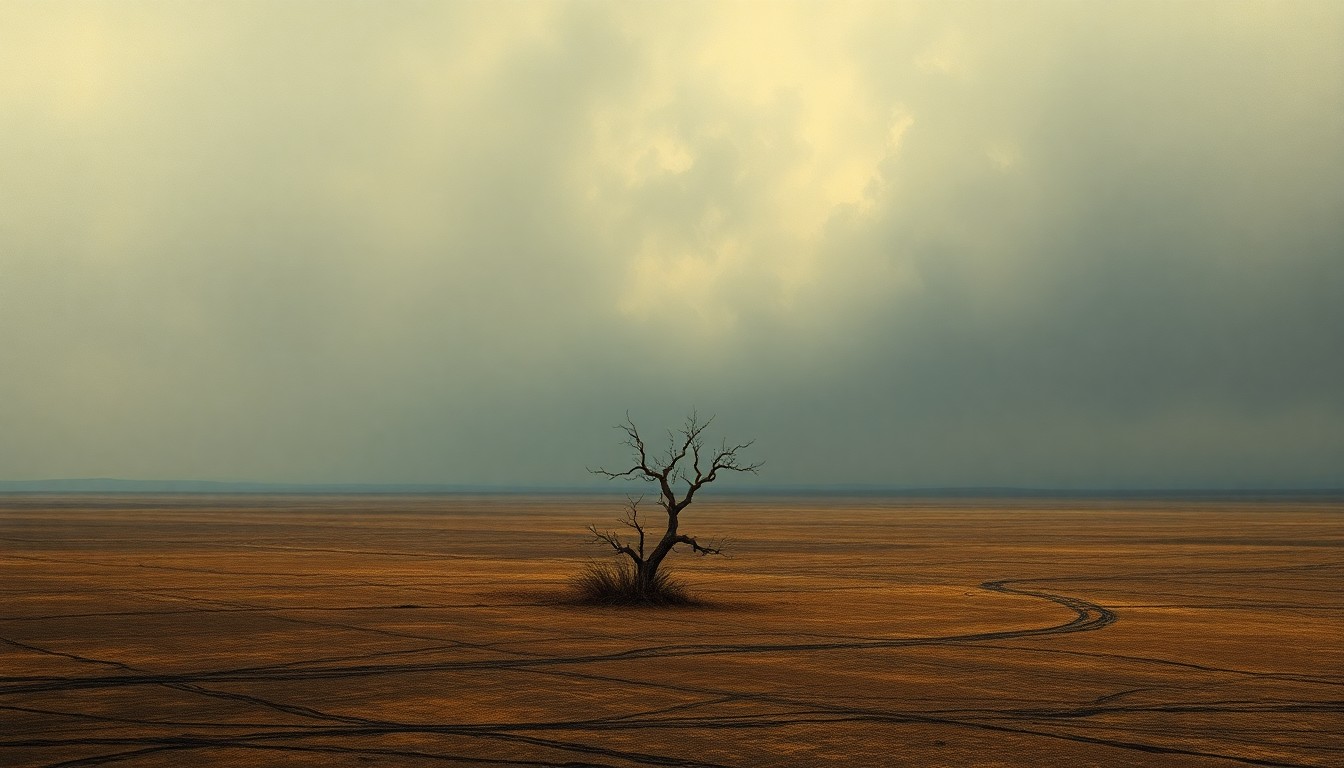 The Western US faces a dire water crisis as a severe snow drought leaves landscapes parched and wildfire risks elevated.Denver Today
A severe snow drought across the Western United States has led to early water rationing measures, with ski slopes closed, sprinkler bans in place, and more restrictions on the way. The lack of winter snowpack has left soils desiccated, vegetation dry, and wildfire risks elevated even before the traditional fire season.
Why it matters
The snow drought has created a cascading set of issues, from reduced water supplies to heightened wildfire dangers. This highlights the vulnerability of the Western US to climate change impacts and the need for more resilient water and land management strategies.
The details
The lack of substantial snowfall this winter has left grasses and other vegetation highly flammable, with fire behavior analysts warning that even normal spring grass fires could ignite much earlier than usual. Invasive species like cheatgrass are also exacerbating the fire risk. Additionally, the dry soils are unlikely to recover even with spring rains, leaving vegetation without enough moisture to resist flames. Warm temperatures, low humidity, and frequent high winds have also contributed to an unusually high number of 'red flag' fire weather days throughout the winter.
- Ski slopes across the Western US have been closed since early March due to lack of snow.
- Sprinkler bans and other water rationing measures have been implemented in many cities since late March.
- Utilities in Colorado's Front Range have cut power multiple times since December to prevent power lines from sparking wildfires.
The players
Denver, Colorado
A major city in the Front Range of the Colorado Rockies that has experienced the impacts of the snow drought, including power shutoffs to prevent wildfires.
What they’re saying
“Most wildfires this time of year are fueled by grasses, which firefighters call 'one-hour fuels' because they can dry to the point of burning in 60 minutes, so they don't need a winter-long drought to get them ready to carry flames.”
— Fire behavior analyst
What’s next
Authorities in the Western US are expected to implement further water rationing measures and fire prevention strategies as the region braces for an early and potentially severe wildfire season.
The takeaway
The snow drought in the Western US is a stark example of the impacts of climate change, with reduced water supplies, heightened wildfire risks, and the need for more resilient infrastructure and land management practices. This crisis highlights the urgency for the region to adapt to a drier future.