- Today
- Holidays
- Birthdays
- Reminders
- Cities
- Atlanta
- Austin
- Baltimore
- Berwyn
- Beverly Hills
- Birmingham
- Boston
- Brooklyn
- Buffalo
- Charlotte
- Chicago
- Cincinnati
- Cleveland
- Columbus
- Dallas
- Denver
- Detroit
- Fort Worth
- Houston
- Indianapolis
- Knoxville
- Las Vegas
- Los Angeles
- Louisville
- Madison
- Memphis
- Miami
- Milwaukee
- Minneapolis
- Nashville
- New Orleans
- New York
- Omaha
- Orlando
- Philadelphia
- Phoenix
- Pittsburgh
- Portland
- Raleigh
- Richmond
- Rutherford
- Sacramento
- Salt Lake City
- San Antonio
- San Diego
- San Francisco
- San Jose
- Seattle
- Tampa
- Tucson
- Washington
Robotaxi Price War Heats Up as Driverless Rides Become Cheaper Than Human-Driven Options
Waymo leads the pack with 15 million driverless rides in 2025, but safety concerns remain as NHTSA logs over 1,400 incidents since 2021.
Feb. 21, 2026 at 12:39am
Got story updates? Submit your updates here. ›
The robotaxi industry is experiencing a price war, with driverless rides from companies like Waymo and Zoox now costing significantly less than human-driven options like Uber. Waymo, owned by Google's parent Alphabet, is the clear leader, providing 15 million driverless rides in 2025 and expanding to new markets. However, safety remains a concern, with the National Highway Traffic Safety Administration (NHTSA) logging over 1,400 incidents involving Waymo vehicles since 2021, including 117 injuries and two fatalities.
Why it matters
The rise of affordable robotaxi services could dramatically change transportation and car ownership, as driverless rides become cheaper than the costs of owning and operating a personal vehicle. This shift could have far-reaching implications for urban planning, the automotive industry, and the job market. However, the safety record of these autonomous vehicles remains a significant concern, raising questions about the readiness of the technology and the oversight of these new transportation services.
The details
Waymo's driverless rides in San Francisco average $8.17, compared to $17.25 for a human-driven Uber in the same city. Tesla has also launched a robotaxi service in Austin, but it still requires a safety monitor on board for each trip. Zoox, owned by Amazon, is offering free rides in Las Vegas and San Francisco as it waits for regulatory approval to start charging. Waymo uses a combination of cameras, lidar, and radar, while Tesla relies solely on cameras, which is cheaper but may be less reliable in certain conditions.
- Waymo gave 15 million driverless rides in 2025.
- Waymo is currently providing 400,000 driverless rides per week.
- Tesla launched its robotaxi service in Austin in June 2025.
The players
Waymo
An autonomous driving company and a subsidiary of Alphabet Inc., Google's parent company. Waymo is the clear leader in the robotaxi market, providing 15 million driverless rides in 2025 and expanding to new markets.
Tesla
An electric vehicle manufacturer that has also launched a robotaxi service in Austin, Texas, though it still requires a safety monitor on board for each trip.
Zoox
An autonomous vehicle company owned by Amazon that is offering free rides in Las Vegas and San Francisco as it waits for regulatory approval to start charging for its services.
National Highway Traffic Safety Administration (NHTSA)
The U.S. government agency responsible for regulating and overseeing vehicle safety, including the safety of autonomous vehicles. The NHTSA has logged 1,429 incidents involving Waymo vehicles since 2021, including 117 injuries and two fatalities.
What’s next
Waymo is planning to expand its robotaxi service to new markets in 2026, including Dallas, Denver, Washington, D.C., London, and Tokyo.
The takeaway
The rise of affordable robotaxi services could revolutionize transportation, but safety concerns remain a significant challenge that must be addressed as these autonomous vehicles become more prevalent on our roads.
Denver top stories


Denver events

Apr. 7, 2026
Colorado Rockies vs. Houston Astros
Apr. 7, 2026
LANY (16+ Event)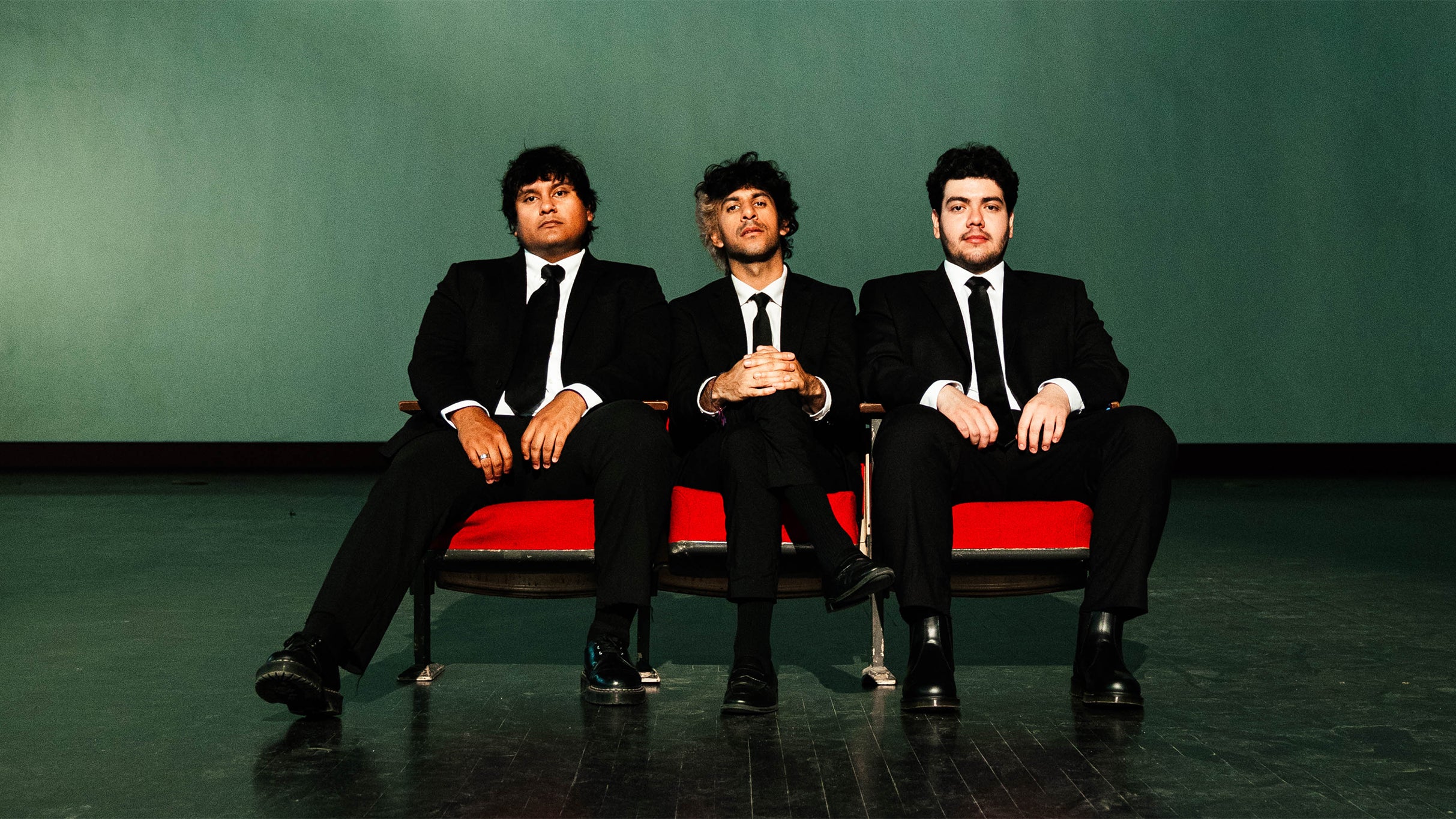
Apr. 7, 2026
The Red Pears w/ together PANGEA