- Today
- Holidays
- Birthdays
- Reminders
- Cities
- Atlanta
- Austin
- Baltimore
- Berwyn
- Beverly Hills
- Birmingham
- Boston
- Brooklyn
- Buffalo
- Charlotte
- Chicago
- Cincinnati
- Cleveland
- Columbus
- Dallas
- Denver
- Detroit
- Fort Worth
- Houston
- Indianapolis
- Knoxville
- Las Vegas
- Los Angeles
- Louisville
- Madison
- Memphis
- Miami
- Milwaukee
- Minneapolis
- Nashville
- New Orleans
- New York
- Omaha
- Orlando
- Philadelphia
- Phoenix
- Pittsburgh
- Portland
- Raleigh
- Richmond
- Rutherford
- Sacramento
- Salt Lake City
- San Antonio
- San Diego
- San Francisco
- San Jose
- Seattle
- Tampa
- Tucson
- Washington
Osteoarthritis Reversal Breakthrough: Regenerative Therapies Show Promise
CU Boulder team develops suite of treatments that reversed arthritis in animal studies, aiming for human trials by 2028.
Apr. 12, 2026 at 6:41am
Got story updates? Submit your updates here. ›
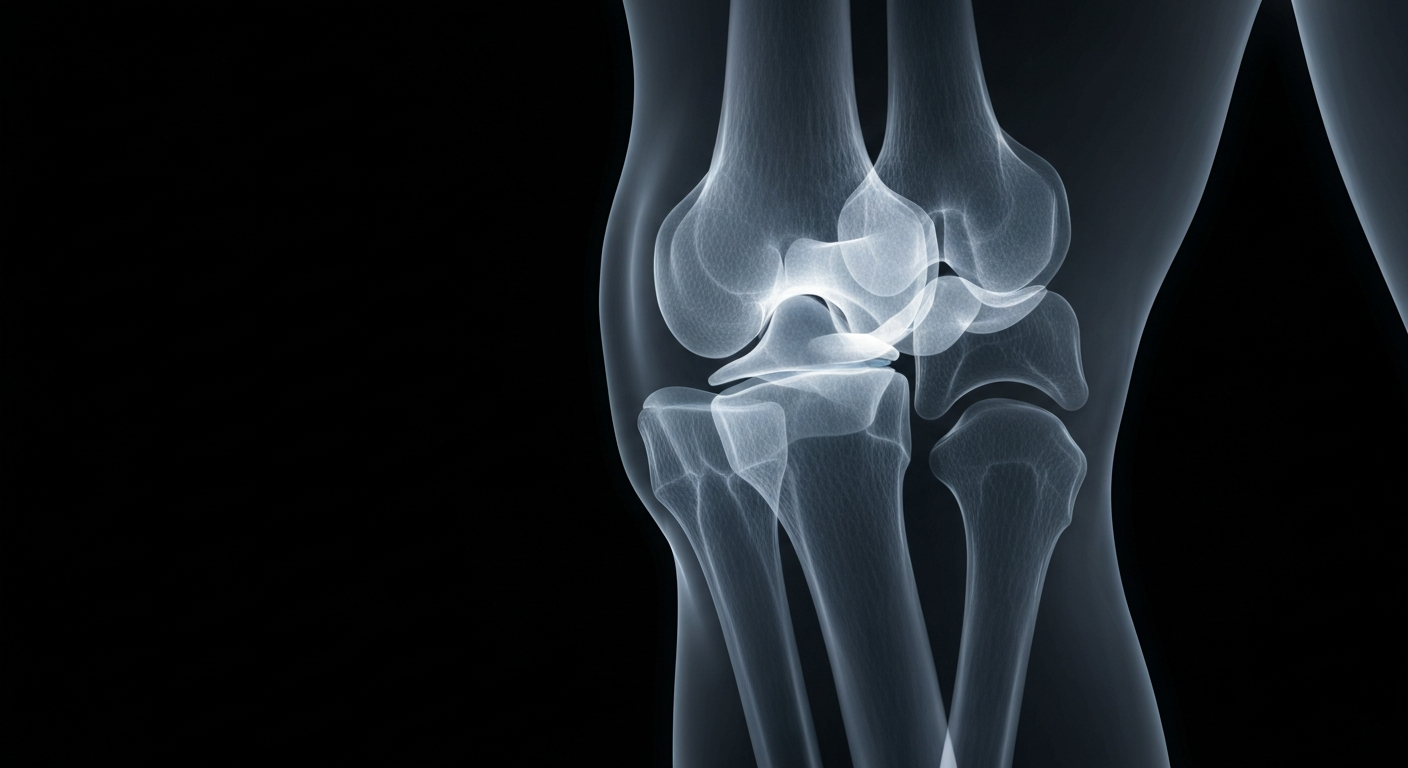 Cutting-edge regenerative therapies aim to reverse the debilitating effects of osteoarthritis, potentially restoring mobility and independence for millions.Boulder Today
A CU Boulder-led multidisciplinary team, backed by the federal Advanced Research Projects Agency for Health (ARPA-H), has developed a suite of regenerative therapies that reversed osteoarthritis in animal studies within weeks. Led by Professor Stephanie Bryant, the project utilizes a single injection and a biomaterial repair kit to prompt joint self-repair, targeting human trials by 2028.
Why it matters
The emergence of these regenerative 'moonshot' therapies disrupts the status quo of lifelong pain management or costly joint replacement surgeries for the one in six people worldwide over age 30 suffering from osteoarthritis. By shifting the clinical objective from halting progression to reversing decay, this research threatens the long-term valuation of traditional joint-replacement hardware while creating a massive vacuum for high-precision drug delivery systems.
The details
The velocity of this development is anomalous, with the team moving from a conceptual 'moonshot' to demonstrated animal reversal in just two years. This acceleration is the direct result of the ARPA-H Novel Innovations for Tissue Regeneration in Osteoarthritis (NITRO) program, which provides up to $33.5 million in funding to bypass the typical incrementalism of grant-funded research. The project is building a therapeutic suite, including a slow-release drug-delivery system and an injectable 'implant' that recruits the body's own cells to patch cartilage gaps.
- The team has completed the first tranche of animal experiments and is now entering phase two, focused on safety and toxicology.
- The goal is to move from the university-led project to human trials by 2028.
The players
Stephanie Bryant
Professor at CU Boulder and principal investigator leading the multidisciplinary team developing the regenerative osteoarthritis therapies.
ARPA-H
The federal Advanced Research Projects Agency for Health that is providing up to $33.5 million in funding for the NITRO program.
What they’re saying
“The goal is to 'end this disease'.”
— Stephanie Bryant, Professor
What’s next
The team has completed the first tranche of animal experiments and is now entering phase two, focused on safety and toxicology. The ability to navigate this stage will depend on the quality of the data and the sophistication of the biomanufacturing partners used to ensure batch consistency.
The takeaway
This research represents a fundamental shift from the 'management era' of osteoarthritis to the 'regeneration era', with the potential to convert a lifelong recurring revenue stream of pain management into a high-value, one-time curative event. The successful commercialization of these therapies could have far-reaching economic impacts, from the orthopedic industry to the broader labor market.
Boulder top stories


Boulder events

Apr. 12, 2026
Winyah w/ Cardinal Bloom
Apr. 15, 2026
saturdays at your place w/ Retirement Party
Apr. 17, 2026
Shreklesque - The Burlesque Parody