- Today
- Holidays
- Birthdays
- Reminders
- Cities
- Atlanta
- Austin
- Baltimore
- Berwyn
- Beverly Hills
- Birmingham
- Boston
- Brooklyn
- Buffalo
- Charlotte
- Chicago
- Cincinnati
- Cleveland
- Columbus
- Dallas
- Denver
- Detroit
- Fort Worth
- Houston
- Indianapolis
- Knoxville
- Las Vegas
- Los Angeles
- Louisville
- Madison
- Memphis
- Miami
- Milwaukee
- Minneapolis
- Nashville
- New Orleans
- New York
- Omaha
- Orlando
- Philadelphia
- Phoenix
- Pittsburgh
- Portland
- Raleigh
- Richmond
- Rutherford
- Sacramento
- Salt Lake City
- San Antonio
- San Diego
- San Francisco
- San Jose
- Seattle
- Tampa
- Tucson
- Washington
Hundreds Protest Trump's Move to Dismantle NCAR, a Premier Climate and Weather Hub
The decision to dismantle the National Center for Atmospheric Research sparks outrage and concerns over the future of climate science.
Apr. 12, 2026 at 4:27pm
Got story updates? Submit your updates here. ›
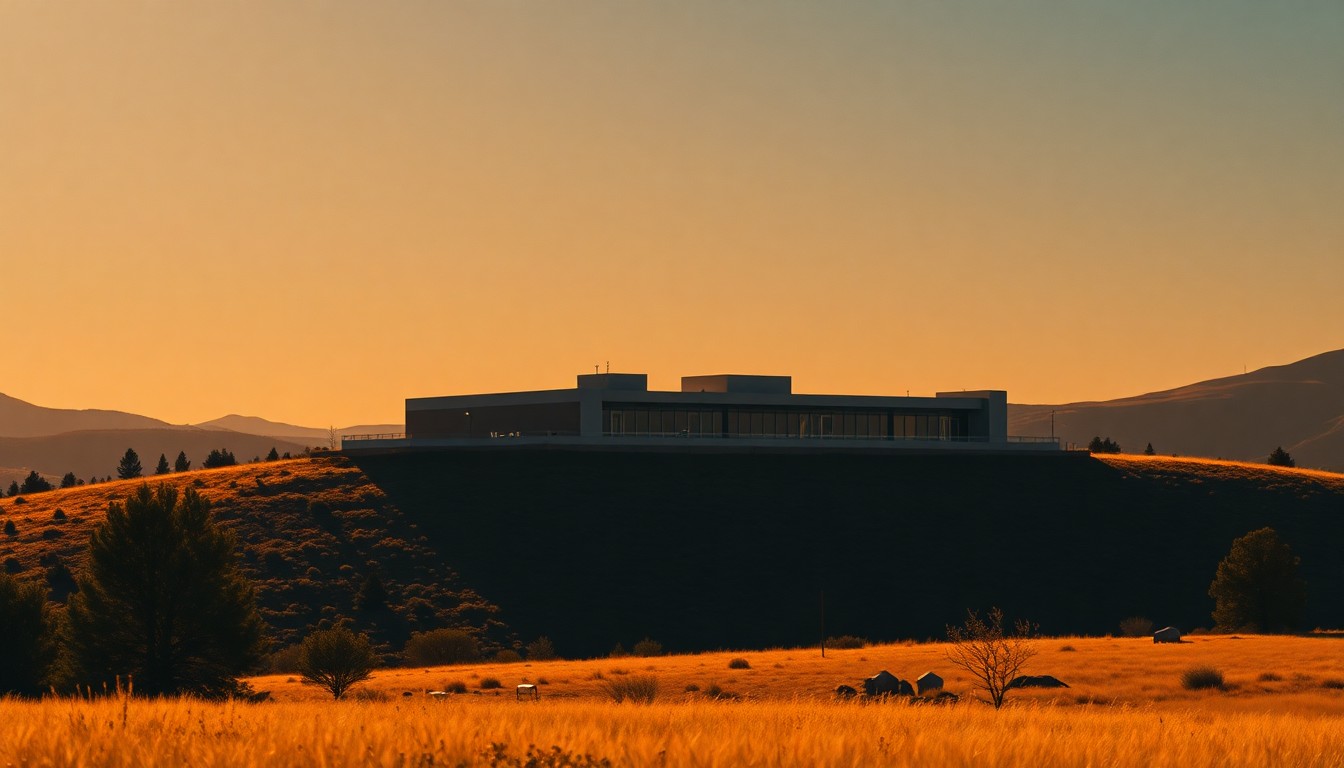 The iconic NCAR facility, a symbol of scientific excellence, faces an uncertain future as the administration moves to dismantle the renowned climate and weather research hub.Boulder Today
The Trump administration's plan to dismantle the National Center for Atmospheric Research (NCAR), a renowned climate and weather research institution, has sparked widespread protests in Boulder, Colorado. Hundreds of demonstrators, including elected officials and community members, have gathered to defend the vital hub of scientific research, warning that its elimination would be a massive loss for the nation and the world.
Why it matters
NCAR is a critical player in national and global weather research, with its work contributing to hurricane monitoring, wind shear detection, and advancing our understanding of the atmosphere. The potential dismantling of NCAR raises concerns about the future of climate science and the administration's stance on addressing climate change.
The details
The Trump administration has labeled NCAR a hub of "climate alarmism" and plans to relocate its work to other locations. This decision has already resulted in layoffs at Boulder's NOAA offices and the withholding of federal climate funding for Colorado. Elected officials, including Rep. Joe Neguse and Sen. John Hickenlooper, have vowed to fight the move, with Neguse calling it one of the most dangerous decisions made by President Trump. The administration's actions have sparked fury among the community, who see NCAR as a symbol of scientific excellence and a vital hub for groundbreaking research.
- On a snowy Saturday, protesters gathered in Boulder, Colorado, to show their support for NCAR.
- The Trump administration's decision to break up NCAR was announced in April 2026.
The players
Rep. Joe Neguse
A Democratic representative who recognizes the center's impact on the community and the world.
Sen. John Hickenlooper
A Democratic senator who is holding up government spending to ensure NCAR's funding.
Christine Cowles
An advocate from the group Forever Indivisible Boulder, who emphasized NCAR's significance to humanity.
Russ Vought
The White House budget director who labeled NCAR a hub of "climate alarmism".
Antonio Busalacchi
The head of the University Corporation for Atmospheric Research (UCAR), which manages NCAR, who believes the decision to scrap NCAR is political.
What they’re saying
“NCAR has made an immense impact on humanity since 1960. We can't just stand by and let it go.”
— Christine Cowles, Advocate, Forever Indivisible Boulder
“These are important, well-paying jobs, and these people have been an integral part of our community for a long time.”
— Aaron Brockett, Mayor of Boulder
“We're careful not to cross over into advocacy or policy prescription.”
— Antonio Busalacchi, Head of the University Corporation for Atmospheric Research (UCAR)
“We can't just stand by and let it go.”
— Christine Cowles, Advocate, Forever Indivisible Boulder
What’s next
Senators Michael Bennet and John Hickenlooper are holding up government spending to ensure NCAR's funding, while Rep. Neguse and others promise legal challenges to stop the dismantling of the institution.
The takeaway
The controversy surrounding NCAR's future highlights the critical role of climate and weather research institutions in advancing our understanding of the world and mitigating the impacts of a changing climate. The potential loss of NCAR raises important questions about the administration's stance on scientific progress and the importance of preserving vital hubs of research.
Boulder top stories


Boulder events

Apr. 12, 2026
Winyah w/ Cardinal Bloom
Apr. 15, 2026
saturdays at your place w/ Retirement Party
Apr. 17, 2026
Shreklesque - The Burlesque Parody