- Today
- Holidays
- Birthdays
- Reminders
- Cities
- Atlanta
- Austin
- Baltimore
- Berwyn
- Beverly Hills
- Birmingham
- Boston
- Brooklyn
- Buffalo
- Charlotte
- Chicago
- Cincinnati
- Cleveland
- Columbus
- Dallas
- Denver
- Detroit
- Fort Worth
- Houston
- Indianapolis
- Knoxville
- Las Vegas
- Los Angeles
- Louisville
- Madison
- Memphis
- Miami
- Milwaukee
- Minneapolis
- Nashville
- New Orleans
- New York
- Omaha
- Orlando
- Philadelphia
- Phoenix
- Pittsburgh
- Portland
- Raleigh
- Richmond
- Rutherford
- Sacramento
- Salt Lake City
- San Antonio
- San Diego
- San Francisco
- San Jose
- Seattle
- Tampa
- Tucson
- Washington
Genetic Study Reveals Surprising Connections Between Mental Health Disorders
Research challenges traditional view of distinct psychiatric conditions, suggests shared biological mechanisms.
Apr. 10, 2026 at 3:54am
Got story updates? Submit your updates here. ›
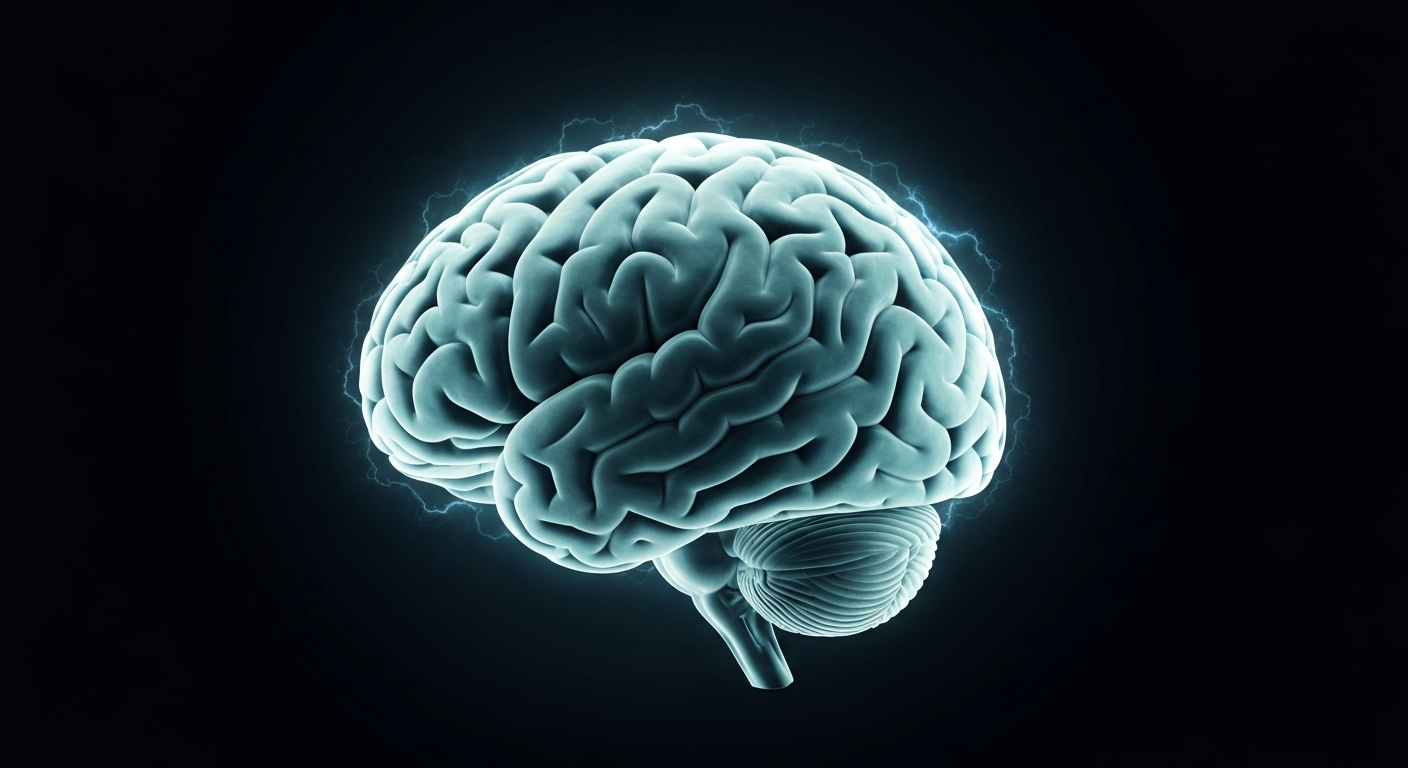 Genetic research reveals the interconnected nature of mental health disorders, challenging traditional diagnostic boundaries.Boulder Today
A groundbreaking genetic study has revealed surprising connections between various mental health disorders, challenging the traditional view of these conditions as distinct illnesses. The research analyzed DNA from over six million individuals, including more than one million with mental health diagnoses, and identified 14 psychiatric disorders that can be grouped into five broad genetic patterns linked to 238 genetic variants affecting brain development and function.
Why it matters
The findings challenge the conventional belief that mental health conditions are separate entities, suggesting that many disorders are driven by shared biological processes. This has far-reaching implications for developing more effective treatment strategies that can target multiple conditions with a single intervention, reducing the need for multiple medications or therapies.
The details
The study grouped the 14 psychiatric disorders into five distinct groups based on their shared genetic features: 1) disorders with compulsive traits, 2) internalizing conditions like depression and anxiety, 3) substance use disorders, 4) neurodevelopmental conditions, and 5) bipolar disorder and schizophrenia. The research also identified specific biological pathways linked to different groups of conditions, providing valuable insights into the underlying biology of mental health disorders.
- The study was conducted in 2026 by scientists from the University of Colorado Boulder and Mass General Brigham.
The players
University of Colorado Boulder
A public research university located in Boulder, Colorado, that conducted the genetic study on mental health disorders.
Mass General Brigham
A non-profit healthcare organization based in Boston, Massachusetts, that collaborated with the University of Colorado Boulder on the genetic study.
What’s next
The study's findings suggest that further research is needed to fully understand the genetic connections between mental health disorders and to explore the potential for developing more targeted and effective treatment approaches.
The takeaway
This groundbreaking genetic study challenges the traditional view of mental health conditions as distinct illnesses, revealing surprising similarities in their underlying biological mechanisms. The findings open up new avenues for improving diagnosis and treatment strategies, potentially leading to more personalized and effective care for individuals with mental health disorders.
Boulder top stories



Boulder events

Apr. 12, 2026
Winyah w/ Cardinal Bloom
Apr. 15, 2026
saturdays at your place w/ Retirement Party
Apr. 17, 2026
Shreklesque - The Burlesque Parody