- Today
- Holidays
- Birthdays
- Reminders
- Cities
- Atlanta
- Austin
- Baltimore
- Berwyn
- Beverly Hills
- Birmingham
- Boston
- Brooklyn
- Buffalo
- Charlotte
- Chicago
- Cincinnati
- Cleveland
- Columbus
- Dallas
- Denver
- Detroit
- Fort Worth
- Houston
- Indianapolis
- Knoxville
- Las Vegas
- Los Angeles
- Louisville
- Madison
- Memphis
- Miami
- Milwaukee
- Minneapolis
- Nashville
- New Orleans
- New York
- Omaha
- Orlando
- Philadelphia
- Phoenix
- Pittsburgh
- Portland
- Raleigh
- Richmond
- Rutherford
- Sacramento
- Salt Lake City
- San Antonio
- San Diego
- San Francisco
- San Jose
- Seattle
- Tampa
- Tucson
- Washington
Watsonville Today
By the People, for the People
California Governor Candidates Vow to Ease Agricultural Regulations
Six candidates from both parties pledge to roll back rules that have 'choked off' farming in the state.
Apr. 8, 2026 at 12:00am
Got story updates? Submit your updates here. ›
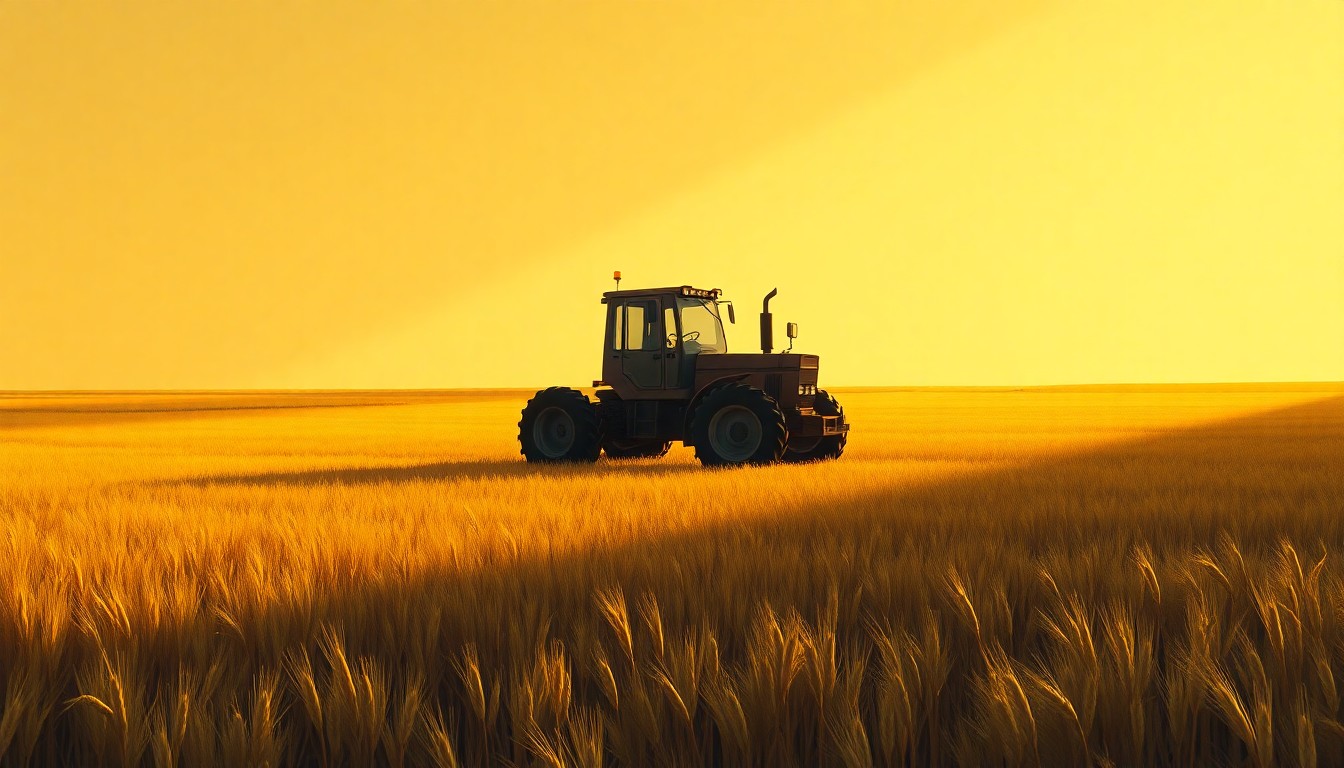 As California's gubernatorial candidates debate the future of farming regulations, a nostalgic scene evokes the state's agricultural heritage and the challenges facing its rural communities.Watsonville Today
Six candidates running to be California's next governor said during a televised forum that if elected, they would roll back regulations that have made it challenging to farm in the state. The candidates, four Democrats and two Republicans, agreed that excessive environmental and business regulations have hurt California farmers and pledged to ease those rules if elected.
Why it matters
California's agricultural industry has long grappled with a complex regulatory environment, which candidates argue has stifled production and driven up costs for farmers. This forum highlighted the candidates' competing visions for balancing environmental protections with the needs of the state's vital farming communities.
The details
At the 'Affordability and Rural California' gubernatorial candidate forum hosted by the California Farm Bureau, the candidates offered a range of policy solutions to address the regulatory burdens facing the state's agricultural sector. Several candidates, including Katie Porter, Antonio Villaraigosa, and Steve Hilton, criticized the growing cost of compliance with environmental, labor, and food safety regulations. The candidates suggested measures such as rolling back regulations, increasing water access, and streamlining bureaucratic processes to support the state's farmers.
- The forum was held on April 1, 2026, kicking off the final stretch of campaigning ahead of the June 2 primary election.
- A study from Cal Poly, San Luis Obispo found that the cost to California lettuce growers of complying with state regulations increased by more than 1,300% from 2006 to 2024.
The players
Katie Porter
An Orange County Democrat and former member of the U.S. House of Representatives, whose parents and grandparents were farmers.
Antonio Villaraigosa
A Democrat and former mayor of Los Angeles.
Steve Hilton
A Republican and former conservative commentator, whose parents had a small farm in Hungary before fleeing communism.
Matt Mahan
A Democratic mayor of San Jose, who grew up in the farming community of Watsonville.
Chad Bianco
A Republican and the Riverside County Sheriff.
What they’re saying
“The regulatory environment in California is choking off our agricultural communities, choking off our production. We've gone too far on regulations.”
— Katie Porter, Orange County Democrat and former U.S. House member
“That's not sustainable. There actually is agreement that things are broken in Sacramento.”
— Antonio Villaraigosa, Democrat and former mayor of Los Angeles
“We're never going to reduce the cost of groceries or anything else until we abandon the climate dogma that has got us to this point. We have to have a complete break from the past.”
— Steve Hilton, Republican and former conservative commentator
What’s next
The June 2 primary election will determine which two candidates advance to the November general election.
The takeaway
The gubernatorial candidates' focus on easing agricultural regulations highlights the ongoing tension between environmental protection and economic concerns in California. As the state's farming communities continue to grapple with rising costs and production challenges, the next governor will face pressure to find a balanced approach that supports the agricultural sector while also addressing broader environmental goals.