- Today
- Holidays
- Birthdays
- Reminders
- Cities
- Atlanta
- Austin
- Baltimore
- Berwyn
- Beverly Hills
- Birmingham
- Boston
- Brooklyn
- Buffalo
- Charlotte
- Chicago
- Cincinnati
- Cleveland
- Columbus
- Dallas
- Denver
- Detroit
- Fort Worth
- Houston
- Indianapolis
- Knoxville
- Las Vegas
- Los Angeles
- Louisville
- Madison
- Memphis
- Miami
- Milwaukee
- Minneapolis
- Nashville
- New Orleans
- New York
- Omaha
- Orlando
- Philadelphia
- Phoenix
- Pittsburgh
- Portland
- Raleigh
- Richmond
- Rutherford
- Sacramento
- Salt Lake City
- San Antonio
- San Diego
- San Francisco
- San Jose
- Seattle
- Tampa
- Tucson
- Washington
Washington Today
By the People, for the People
JPMorgan Warns of $5 Gas Prices in April Due to Iran Conflict
Analysts say U.S. may avoid shortages but face higher prices at the pump.
Apr. 7, 2026 at 7:23am
Got story updates? Submit your updates here. ›
 Soaring gas prices and energy market instability caused by the Iran conflict threaten to disrupt American consumers.Washington Today
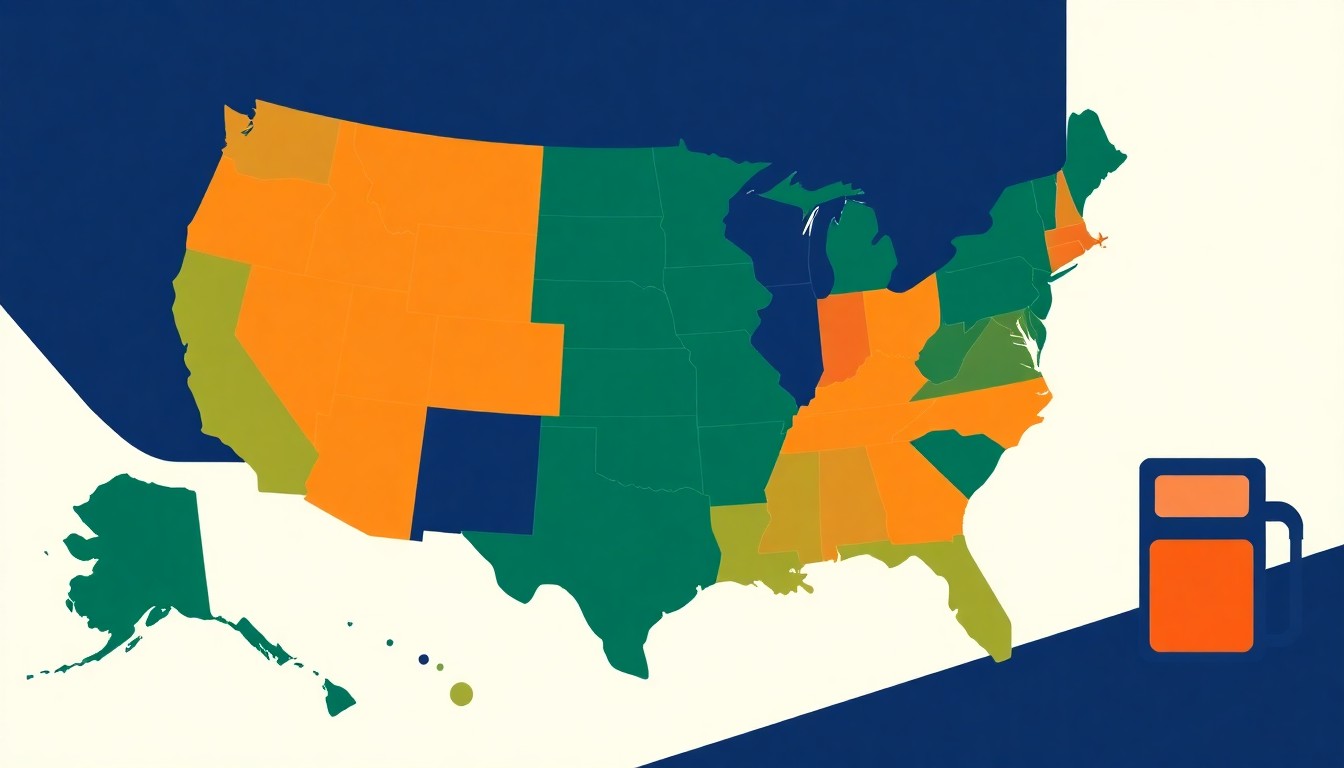
JPMorgan analysts have warned that U.S. gasoline prices could climb above $5 per gallon in April if the ongoing conflict in Iran keeps the Strait of Hormuz effectively closed, causing a major disruption in global energy markets. While the U.S. is unlikely to see immediate physical shortages due to its domestic production, the bank says the pain will be felt through higher prices and dislocations in refined fuel markets, particularly in California.
Why it matters
The potential for $5 per gallon gas prices would have a significant impact on American consumers, affecting household budgets and the broader economy. The situation highlights the vulnerability of the U.S. energy market to geopolitical tensions and the need for continued investment in domestic energy production and infrastructure.
The details
According to JPMorgan, the closure of the Strait of Hormuz due to the Iran conflict would deliver a massive supply shock to global energy markets. While the U.S. is less likely to face immediate physical shortages, the country will still feel the effects through higher prices at the pump. The bank noted that California, in particular, is exposed to these dislocations in refined fuel markets.
- As of April 6, 2026, the national average for regular gasoline in the U.S. stood at $4.119 per gallon, the first time in four years it has topped $4.
The players
JPMorgan
A major American multinational investment bank and financial services company.
What they’re saying
“The US is more likely to avoid supply disruptions but still face higher gas prices at the pump.”
— JPMorgan, Analysts
“The US is last in line, meaning Americans are unlikely to see immediate physical shortages because the country has substantial domestic production and would have more time to adjust to longer shipping routes.”
— JPMorgan, Analysts
What’s next
Analysts will continue to monitor the situation in Iran and its impact on global energy markets, with a focus on how it may affect gas prices in the United States in the coming weeks and months.
The takeaway
The potential for $5 per gallon gas prices due to the Iran conflict highlights the vulnerability of the U.S. energy market to geopolitical tensions. This situation underscores the need for continued investment in domestic energy production and infrastructure to enhance the country's energy security and resilience.