- Today
- Holidays
- Birthdays
- Reminders
- Cities
- Atlanta
- Austin
- Baltimore
- Berwyn
- Beverly Hills
- Birmingham
- Boston
- Brooklyn
- Buffalo
- Charlotte
- Chicago
- Cincinnati
- Cleveland
- Columbus
- Dallas
- Denver
- Detroit
- Fort Worth
- Houston
- Indianapolis
- Knoxville
- Las Vegas
- Los Angeles
- Louisville
- Madison
- Memphis
- Miami
- Milwaukee
- Minneapolis
- Nashville
- New Orleans
- New York
- Omaha
- Orlando
- Philadelphia
- Phoenix
- Pittsburgh
- Portland
- Raleigh
- Richmond
- Rutherford
- Sacramento
- Salt Lake City
- San Antonio
- San Diego
- San Francisco
- San Jose
- Seattle
- Tampa
- Tucson
- Washington
South San Francisco Today
By the People, for the People
Biocom Criticizes New Pharmaceutical Tariffs
Industry group says Section 232 tariffs will hurt US drug supply and innovation.
Apr. 6, 2026 at 5:18pm
Got story updates? Submit your updates here. ›
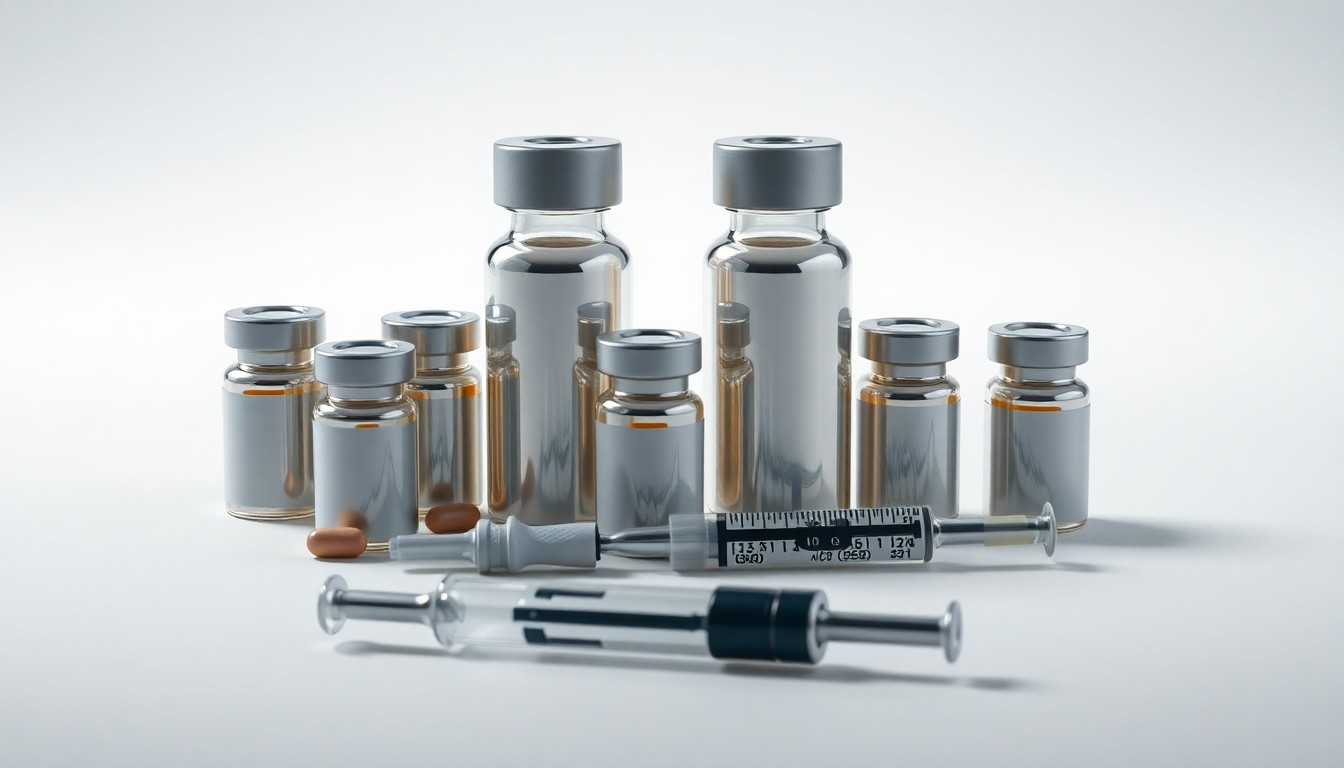
 Precision laboratory equipment symbolizes the pharmaceutical industry's critical role in developing new drugs and treatments.South San Francisco Today
The biotechnology and pharmaceutical industry group Biocom has issued a statement criticizing the Biden administration's decision to impose new Section 232 tariffs on certain pharmaceutical imports. Biocom argues the tariffs will disrupt the US drug supply chain and undermine domestic innovation in the industry.
Why it matters
The pharmaceutical industry is a critical part of the US economy, contributing over $1.2 trillion annually and supporting millions of high-paying jobs. Biocom represents many of the country's leading biotech and drug companies, who say the new tariffs could lead to drug shortages, higher prices for consumers, and reduced investment in R&D.
The details
The Section 232 tariffs, which allow the president to impose duties on imports deemed a threat to national security, will target a range of pharmaceutical ingredients, finished drugs, and medical devices. Biocom says the tariffs will increase costs for US drug makers, who rely on a global supply chain, and ultimately lead to higher prices for patients.
- The Biden administration announced the new Section 232 pharmaceutical tariffs on April 1, 2026.
- The tariffs are set to take effect on June 1, 2026.
The players
Biocom
A trade association representing the biotechnology and pharmaceutical industries in California and across the United States.
What they’re saying
“These tariffs will disrupt the US drug supply chain, increase costs for patients, and undermine our global leadership in pharmaceutical innovation.”
— Joe Panetta, President and CEO of Biocom
What’s next
Biocom says it will continue to advocate against the tariffs and work with the Biden administration to find alternative policies that support the US pharmaceutical industry.
The takeaway
The new Section 232 tariffs on pharmaceuticals highlight the complex tradeoffs between protecting domestic industries and maintaining a globally integrated supply chain. The biotech and drug sectors warn the tariffs could backfire by raising costs, limiting access to critical medicines, and stifling innovation.