- Today
- Holidays
- Birthdays
- Reminders
- Cities
- Atlanta
- Austin
- Baltimore
- Berwyn
- Beverly Hills
- Birmingham
- Boston
- Brooklyn
- Buffalo
- Charlotte
- Chicago
- Cincinnati
- Cleveland
- Columbus
- Dallas
- Denver
- Detroit
- Fort Worth
- Houston
- Indianapolis
- Knoxville
- Las Vegas
- Los Angeles
- Louisville
- Madison
- Memphis
- Miami
- Milwaukee
- Minneapolis
- Nashville
- New Orleans
- New York
- Omaha
- Orlando
- Philadelphia
- Phoenix
- Pittsburgh
- Portland
- Raleigh
- Richmond
- Rutherford
- Sacramento
- Salt Lake City
- San Antonio
- San Diego
- San Francisco
- San Jose
- Seattle
- Tampa
- Tucson
- Washington
South Lake Tahoe Today
By the People, for the People
California Lawmakers Propose Grizzly Bear Restoration Act
Bill aims to explore reintroducing the extinct California grizzly bear, sparking debate over public safety and wildlife management.
Apr. 10, 2026 at 5:22am
Got story updates? Submit your updates here. ›
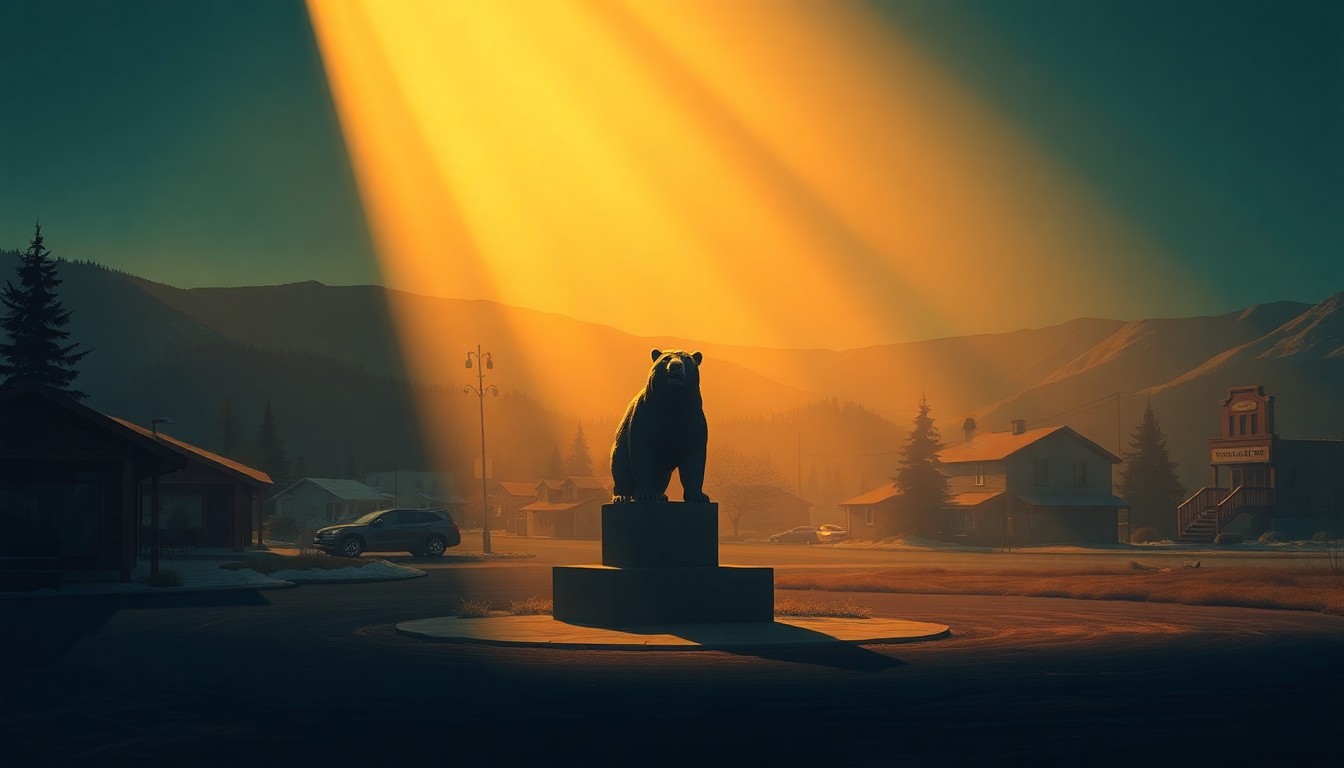 A symbolic monument to the once-thriving California grizzly bear stands as a reminder of the state's complex relationship with its natural heritage.South Lake Tahoe Today
California lawmakers have introduced Senate Bill 1305, known as the California Grizzly Restoration Act, to explore the feasibility of reintroducing the extinct California grizzly bear. The bill directs the state's Department of Fish and Wildlife to create a roadmap by 2028 focusing on scientific assessment and community impact, rather than immediate reintroduction. The bill is sponsored by two state senators and co-sponsored by the Yurok and Tejon Tribes, emphasizing the incorporation of indigenous knowledge. However, the local assemblymember opposes the bill, citing concerns over growing predator populations, public safety, and the strain on existing wildlife management resources.
Why it matters
The California grizzly bear is the state's official animal and a centerpiece of its flag and other state symbols. Reintroducing the species could help restore the state's natural ecosystems and biodiversity, but also raises concerns about public safety and the impact on local communities and economies, particularly those already dealing with the challenges of managing growing predator populations like wolves.
The details
The last grizzly bear in California was shot in 1924, and they have not been seen in the state since then. Grizzly bears were hunted to extinction in California primarily to protect expanding livestock ranching operations, for commercial meat and sport, and due to fears regarding their dangerous nature. The bill states that grizzly bears promote biodiversity and ecosystem health in various ways. However, the local assemblymember, Heather Hadwick, opposes the bill, citing the existing impacts of growing predator populations on livestock, public safety, and local economies. Several counties have already declared local emergencies or intensified monitoring due to livestock losses from predators like wolves.
- The California Grizzly Restoration Act was introduced in the state Senate in February 2026.
- The bill directs the California Department of Fish and Wildlife to create a feasibility 'roadmap' by June 30, 2028.
The players
California Senate Bill 1305
Also known as the California Grizzly Restoration Act, this bill was introduced to explore reintroducing the extinct California grizzly bear.
Senators Richardson and Weber Pierson
The sponsors of the California Grizzly Restoration Act.
Yurok and Tejon Tribes
The co-sponsors of the California Grizzly Restoration Act, emphasizing the incorporation of indigenous knowledge regarding bear management.
Heather Hadwick
The assemblymember for District 1, which includes South Lake Tahoe, who opposes the California Grizzly Restoration Act.
California Department of Fish and Wildlife (CDFW)
The state agency that the bill directs to create a feasibility 'roadmap' for the grizzly bear reintroduction.
What they’re saying
“'Our communities are already facing the impacts of growing predator populations, including wolves, and the strain they place on livestock, public safety, and local economies. State agencies are stretched thin, response times are long, and existing compensation and management programs are falling short.'”
— Heather Hadwick, Assemblymember for District 1
“'Reintroducing another apex predator without first addressing these challenges would place additional pressure on a system that is already struggling to keep up.'”
— Heather Hadwick, Assemblymember for District 1
What’s next
The California Grizzly Restoration Act passed the Senate Natural Resources and Water committee this week by a vote of 5-2 and now moves on to the Senate Committee on Appropriations.
The takeaway
The proposed reintroduction of the California grizzly bear highlights the ongoing tension between conservation efforts and the concerns of local communities over public safety, wildlife management, and the strain on limited resources. Any successful restoration plan will need to carefully balance these competing interests and incorporate input from a wide range of stakeholders.