- Today
- Holidays
- Birthdays
- Reminders
- Cities
- Atlanta
- Austin
- Baltimore
- Berwyn
- Beverly Hills
- Birmingham
- Boston
- Brooklyn
- Buffalo
- Charlotte
- Chicago
- Cincinnati
- Cleveland
- Columbus
- Dallas
- Denver
- Detroit
- Fort Worth
- Houston
- Indianapolis
- Knoxville
- Las Vegas
- Los Angeles
- Louisville
- Madison
- Memphis
- Miami
- Milwaukee
- Minneapolis
- Nashville
- New Orleans
- New York
- Omaha
- Orlando
- Philadelphia
- Phoenix
- Pittsburgh
- Portland
- Raleigh
- Richmond
- Rutherford
- Sacramento
- Salt Lake City
- San Antonio
- San Diego
- San Francisco
- San Jose
- Seattle
- Tampa
- Tucson
- Washington
Poison Ivy Rash? Here's How to Treat It
Experts share the best over-the-counter products to soothe itchy, irritated skin
Apr. 10, 2026 at 12:11am
Got story updates? Submit your updates here. ›
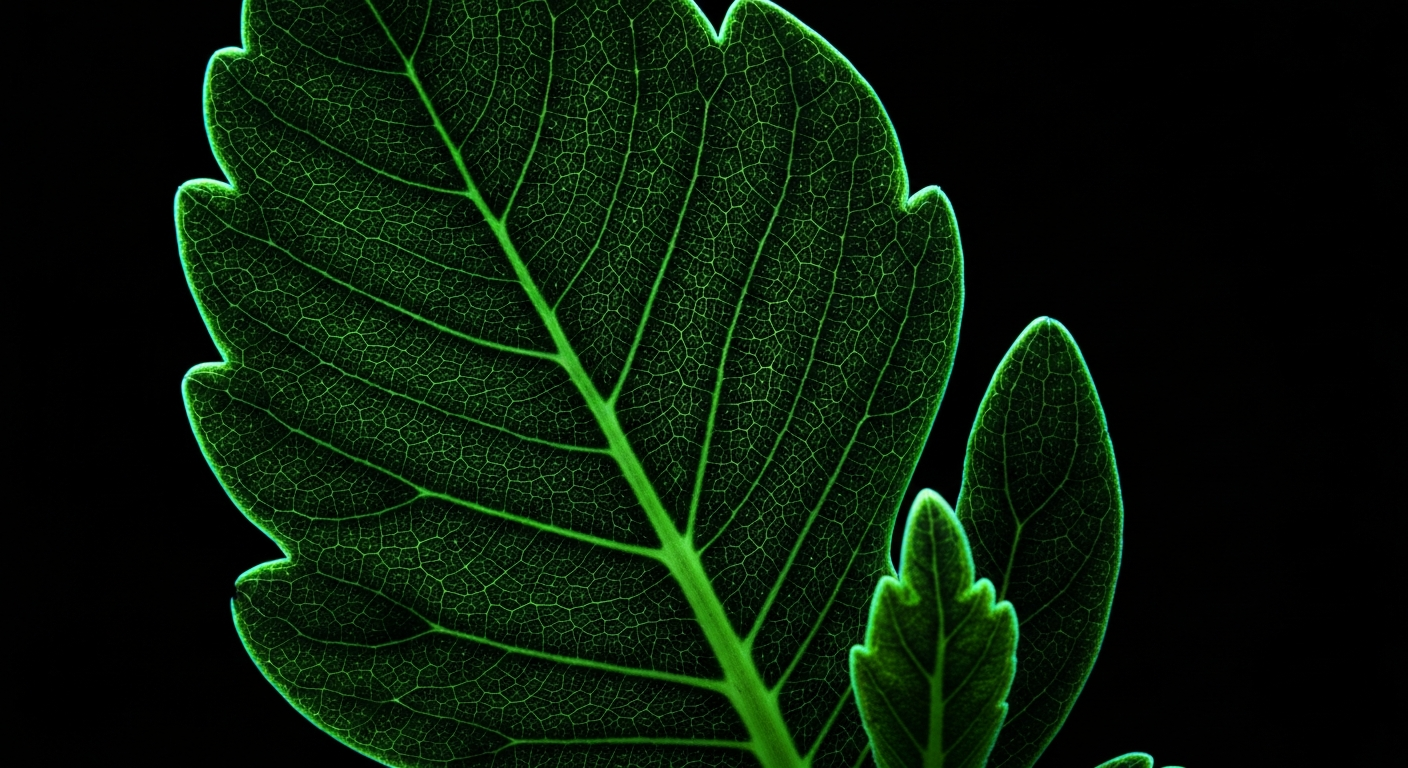 Poison ivy's distinctive leaves are the source of an irritating rash that can linger for weeks, but over-the-counter treatments can provide relief.Santa Monica Today
As the weather warms, spending more time outdoors increases the risk of exposure to poison ivy or poison oak. These plants can cause an itchy, red, blistering rash that can last for up to a few weeks. Dermatologists recommend using over-the-counter products with calming ingredients like zinc oxide, colloidal oatmeal, and tea tree oil to soothe the skin and provide relief.
Why it matters
Poison ivy and poison oak rashes are a common issue for many people, especially during the spring and summer months when outdoor activities increase. Finding effective over-the-counter treatments can help manage the symptoms and provide relief without needing to see a doctor, unless the reaction is severe.
The details
Exposure to poison ivy or poison oak leads to an allergic reaction when the skin comes into contact with the plants' oil, called urushiol. This can cause redness, small bumps, blisters, and intense itching. The severity depends on how much of the oil touched the skin and how quickly it was washed off. Washing the affected area with soap and water as soon as possible can remove up to 100% of the urushiol, but effectiveness drops significantly the longer it remains on the skin.
- Symptoms typically appear within a few days of exposure.
The players
Dr. Emily R. Nadelmann
A board-certified dermatologist and clinical assistant professor of dermatology at the George Washington School of Medicine and Health Sciences and the University of Maryland School of Medicine.
Dr. Tanya Kormeili
A board-certified dermatologist in Santa Monica, California.
What they’re saying
“When your skin touches poison ivy or poison oak, it comes into contact with an oily resin called urushiol on the leaves. This compound binds rapidly to the skin and triggers an allergic reaction in roughly 50 to 75 percent of people.”
— Dr. Emily R. Nadelmann, Board-certified dermatologist
“For extensive rashes covering more than 20 percent of the body, oral corticosteroids like prednisone are often necessary and can provide relief within 12 to 24 hours. For localized rashes, mid to high potency prescription topical corticosteroids such as triamcinolone or clobetasol are the most effective option.”
— Dr. Emily R. Nadelmann, Board-certified dermatologist
What’s next
If the poison ivy or oak rash is severe, covering a large area, or not improving with over-the-counter treatments, it's recommended to see a dermatologist for prescription medication.
The takeaway
Knowing how to quickly and effectively treat poison ivy and oak rashes can provide much-needed relief and prevent the condition from worsening. Over-the-counter products with soothing ingredients can be a good first line of defense, but seeking medical attention may be necessary for more serious cases.