- Today
- Holidays
- Birthdays
- Reminders
- Cities
- Atlanta
- Austin
- Baltimore
- Berwyn
- Beverly Hills
- Birmingham
- Boston
- Brooklyn
- Buffalo
- Charlotte
- Chicago
- Cincinnati
- Cleveland
- Columbus
- Dallas
- Denver
- Detroit
- Fort Worth
- Houston
- Indianapolis
- Knoxville
- Las Vegas
- Los Angeles
- Louisville
- Madison
- Memphis
- Miami
- Milwaukee
- Minneapolis
- Nashville
- New Orleans
- New York
- Omaha
- Orlando
- Philadelphia
- Phoenix
- Pittsburgh
- Portland
- Raleigh
- Richmond
- Rutherford
- Sacramento
- Salt Lake City
- San Antonio
- San Diego
- San Francisco
- San Jose
- Seattle
- Tampa
- Tucson
- Washington
California's Last Nuclear Plant Wins 20-Year License Extension
Diablo Canyon to remain open until 2045 as state balances clean energy goals and grid reliability
Apr. 3, 2026 at 8:05pm
Got story updates? Submit your updates here. ›
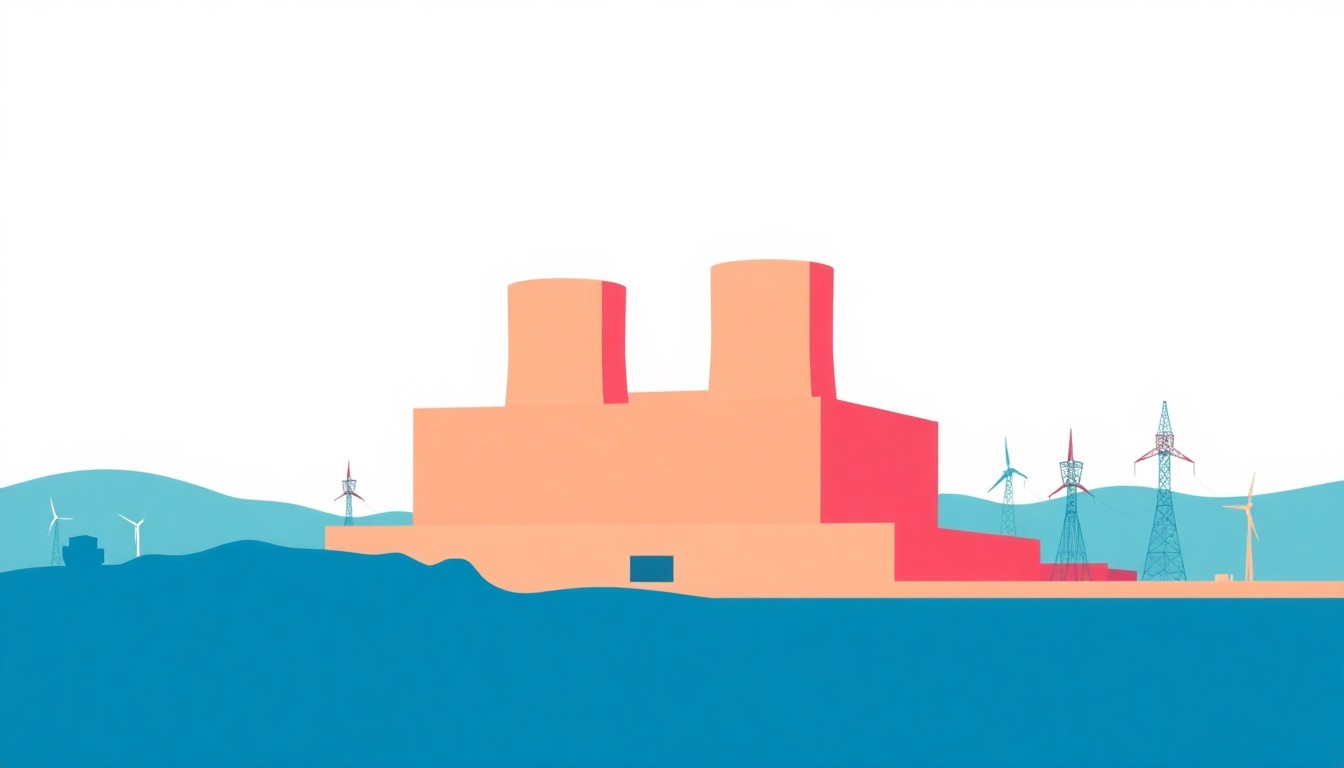 Diablo Canyon, California's last nuclear power plant, will continue operating as a stabilizing force on the state's dynamic energy grid.Santa Cruz Today
Federal regulators have renewed the license for California's last nuclear power plant, Diablo Canyon, ensuring it will remain open until at least 2045. The decision comes after years of debate over the plant's safety, climate impact, and the state's ability to keep the lights on as it transitions to renewable energy.
Why it matters
Diablo Canyon provides around 9% of California's electricity, enough to power nearly 4 million people. Its continued operation is seen as critical for maintaining grid reliability during the state's shift to renewable energy, even as battery storage has expanded. However, the plant's earthquake risks and environmental impact remain concerns for opponents.
The details
PG&E, the plant's owner, had planned to shut down Diablo Canyon by 2025 when its license expired. But after extreme heat waves strained the grid in 2020 and 2021, state leaders moved to keep the plant operating longer. A new state law directed PG&E to pursue a license extension, and the state approved a $1.4 billion loan to cover upgrade and relicensing costs.
- In 2022, California Governor Gavin Newsom signed a law directing PG&E to pursue a license extension for Diablo Canyon.
- On April 3, 2026, the Nuclear Regulatory Commission granted Diablo Canyon a 20-year license renewal, extending its operation until 2045.
The players
Diablo Canyon Power Plant
California's last remaining nuclear power plant, located on the state's central coast. It provides around 9% of the state's electricity.
PG&E
The utility company that owns and operates the Diablo Canyon nuclear power plant.
Gavin Newsom
The Governor of California who signed a law in 2022 directing PG&E to pursue a license extension for Diablo Canyon.
Nuclear Regulatory Commission
The federal agency that granted Diablo Canyon a 20-year license renewal in 2026.
Haakon Williams
The executive director of the Committee to Bridge the Gap, an anti-nuclear group that opposes the Diablo Canyon extension.
What they’re saying
“As California advances its clean energy and reliability goals, Diablo Canyon remains a stabilizing force on a dynamic grid. It provides a steady source of carbon-free power during a period of rapid transition, supporting climate objectives while ensuring that the lights stay on at homes and businesses across the state.”
— Jeremy Groom, Acting Director of Nuclear Reactor Regulation, Nuclear Regulatory Commission
“We're disappointed and concerned. The Nuclear Regulatory Commission was always more beholden to industry than it should be. This shouldn't be received as an assurance of the plant's safety.”
— Haakon Williams, Executive Director, Committee to Bridge the Gap
“At a time when California is trying to grow its economy, bring down costs and lead on climate, we cannot afford to lose power that is clean, stable and always available. This facility does something incredibly important. It keeps the lights on when demand is high, when renewables aren't enough and when reliability matters most. That's not theoretical. That's essential infrastructure.”
— John Grubb, Interim President and CEO, Bay Area Council
What’s next
To operate Diablo Canyon beyond 2030, PG&E will still need approval from the California state legislature, setting up another potential political battle over the plant's future.
The takeaway
The decision to extend Diablo Canyon's license highlights the ongoing tension between California's clean energy goals and the need to maintain a reliable electricity grid during the state's transition away from fossil fuels. While battery storage has improved, the nuclear plant's ability to provide consistent, carbon-free power remains crucial for now, even as concerns about its earthquake risks and environmental impact persist.