- Today
- Holidays
- Birthdays
- Reminders
- Cities
- Atlanta
- Austin
- Baltimore
- Berwyn
- Beverly Hills
- Birmingham
- Boston
- Brooklyn
- Buffalo
- Charlotte
- Chicago
- Cincinnati
- Cleveland
- Columbus
- Dallas
- Denver
- Detroit
- Fort Worth
- Houston
- Indianapolis
- Knoxville
- Las Vegas
- Los Angeles
- Louisville
- Madison
- Memphis
- Miami
- Milwaukee
- Minneapolis
- Nashville
- New Orleans
- New York
- Omaha
- Orlando
- Philadelphia
- Phoenix
- Pittsburgh
- Portland
- Raleigh
- Richmond
- Rutherford
- Sacramento
- Salt Lake City
- San Antonio
- San Diego
- San Francisco
- San Jose
- Seattle
- Tampa
- Tucson
- Washington
Trump's Offshore Drilling Plan Threatens Fragile Ecosystems
Experts warn that expanding offshore oil operations could lead to catastrophic environmental damage in the oceans.
Apr. 10, 2026 at 7:45pm
Got story updates? Submit your updates here. ›
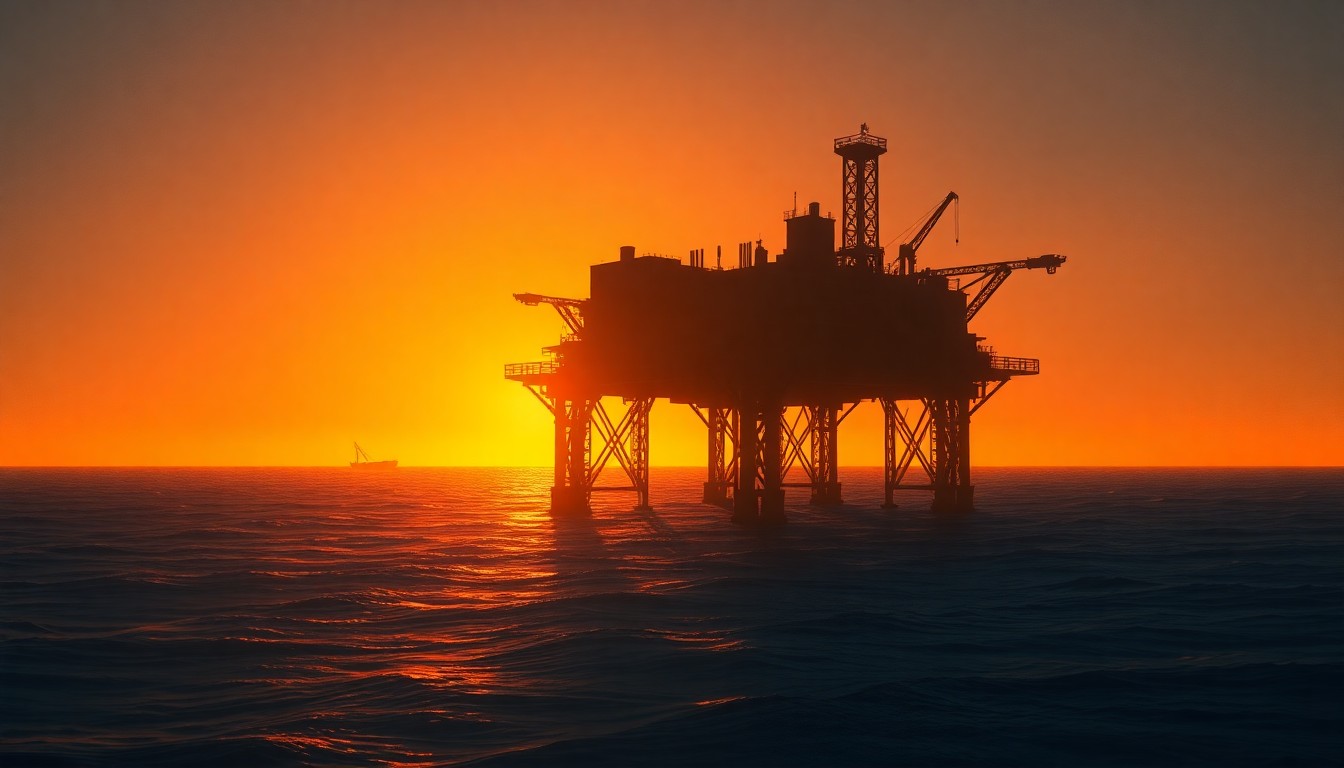 As the push for offshore drilling intensifies, the delicate balance between energy needs and ecological preservation hangs in the balance.Santa Barbara Today
The Trump administration's push to lease more public waters for offshore oil drilling has raised concerns among environmental experts about the potential for devastating ecological consequences. Researchers point to past disasters like the Deepwater Horizon spill as examples of the severe harm that can be done to delicate marine habitats, including centuries-old coral reefs and the intricate web of ocean life they support. While oil is a natural resource, the pace of human-driven extraction often outpaces the ability of microbes to naturally degrade spills, leading to long-lasting damage.
Why it matters
The debate over offshore drilling reflects a broader societal tension between economic priorities and environmental sustainability. Proponents argue for the energy and economic benefits, while critics contend that the ecological risks far outweigh any short-term gains. This issue highlights the need to reevaluate our relationship with the oceans, shifting from extraction to conservation in order to protect these vital ecosystems for the future.
The details
Researchers like deep-sea biologist Erik Cordes have documented the catastrophic aftermath of oil spills, which can smother entire ecosystems including ancient coral reefs that serve as crucial habitats. Oceanographer Mandy Joye notes that while microbes can naturally degrade oil, they cannot keep up with the pace of human-caused spills. The Trump administration's plans to lease more public waters for drilling are seen as emblematic of a mindset that prioritizes economic growth over ecological sustainability.
- The Deepwater Horizon disaster occurred in 2010.
- The Santa Barbara oil spill took place in 1969.
The players
Erik Cordes
A deep-sea biologist who has described the catastrophic aftermath of oil spills on marine ecosystems, including the smothering of centuries-old coral reefs.
Mandy Joye
An oceanographer who has noted that while microbes can naturally degrade oil, they cannot keep up with the pace of human-caused spills.
Trump administration
The current U.S. presidential administration, which has pushed to lease more public waters for offshore oil drilling, reflecting a prioritization of economic growth over ecological sustainability.
What they’re saying
“The oil spill didn't just kill marine life; it smothered entire ecosystems, including centuries-old coral reefs.”
— Erik Cordes, Deep-sea biologist
“While microbes can naturally degrade oil, they can't keep up with the pace of human-induced spills.”
— Mandy Joye, Oceanographer
What’s next
The decision on whether to expand offshore drilling will have long-lasting consequences for the health of the oceans. Policymakers and the public will need to carefully weigh the economic benefits against the significant environmental risks in order to determine the best path forward.
The takeaway
This issue highlights the need to fundamentally rethink our relationship with the oceans, shifting from a mindset of extraction and exploitation to one of conservation and sustainability. The future of our marine ecosystems hangs in the balance, and the choices we make today will reverberate for generations to come.
Santa Barbara top stories



Santa Barbara events

Apr. 11, 2026
2026 Spirit and Junior Spirit of Fiesta Final Auditions
Apr. 14, 2026
David Byrne
Apr. 17, 2026
John Milton