- Today
- Holidays
- Birthdays
- Reminders
- Cities
- Atlanta
- Austin
- Baltimore
- Berwyn
- Beverly Hills
- Birmingham
- Boston
- Brooklyn
- Buffalo
- Charlotte
- Chicago
- Cincinnati
- Cleveland
- Columbus
- Dallas
- Denver
- Detroit
- Fort Worth
- Houston
- Indianapolis
- Knoxville
- Las Vegas
- Los Angeles
- Louisville
- Madison
- Memphis
- Miami
- Milwaukee
- Minneapolis
- Nashville
- New Orleans
- New York
- Omaha
- Orlando
- Philadelphia
- Phoenix
- Pittsburgh
- Portland
- Raleigh
- Richmond
- Rutherford
- Sacramento
- Salt Lake City
- San Antonio
- San Diego
- San Francisco
- San Jose
- Seattle
- Tampa
- Tucson
- Washington
Experts Warn 'Indoor Epidemic' Fueling Burnout Among Central Coast Executives
New research shows environment, not just workload, is driving fatigue and performance issues for business leaders.
Apr. 4, 2026 at 1:47am
Got story updates? Submit your updates here. ›
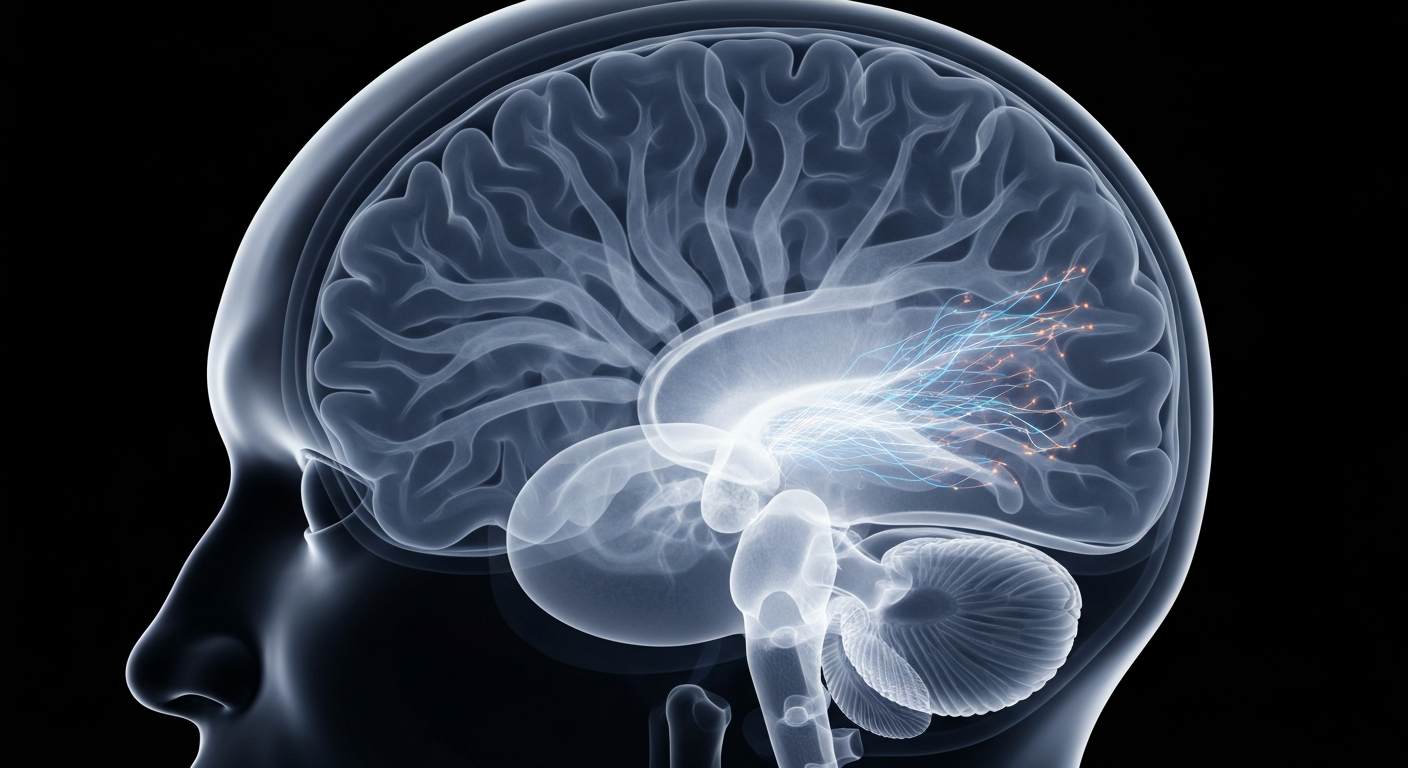 An X-ray view of the human brain reveals the hidden physiological impacts of an indoor lifestyle, disrupting the body's natural circadian rhythms.Santa Barbara Today
A new guest commentary by Dr. John La Puma, a board-certified internist and bestselling author, argues that the 'Indoor Epidemic' - the fact that the average American now spends 93% of their time indoors - is a major driver of burnout and performance issues among high-powered executives on the Central Coast. La Puma explains how lack of exposure to natural light and the disruption of the body's circadian rhythms is causing metabolic and cognitive problems, and provides strategies for business leaders to combat the effects of an indoor lifestyle.
Why it matters
The Central Coast region is known for its natural beauty and outdoor lifestyle, yet local business leaders are facing the same burnout crisis as their counterparts in urban areas. This suggests the problem goes beyond just workload and points to the impact of our increasingly indoor-centric lives. Addressing this 'Indoor Epidemic' could be key to helping executives and other high-performers maintain their energy, focus and long-term health.
The details
According to La Puma's research, the average American now spends 93% of their time indoors - 86% in buildings and 7% in vehicles. For busy executives, that number is often even higher. This 'biological darkness' disrupts the body's circadian rhythms and sends confusing signals that can blunt mental edge, exacerbate chronic disease, and accelerate aging. The problem is not a lack of willpower or poor time management, but an environmental mismatch. Lack of exposure to bright morning light prevents the body's natural 'cortisol awakening response' that provides energy and focus, while also disrupting sleep cycles and hormone regulation. La Puma provides strategies like using bright light therapy lamps and making time for outdoor activity to help executives reset their internal clocks and combat the effects of an indoor lifestyle.
- The average American now spends 93% of their time indoors.
- High-performing executives often spend an even higher percentage of time indoors.
The players
John La Puma, M.D.
A board-certified internist and New York Times bestselling author based in Santa Barbara, California who specializes in the health impacts of the 'Indoor Epidemic'.
What they’re saying
“We have traded long-term vitality for climate-controlled comfort, living in a state of 'biological darkness' that blunts our mental edge, exacerbates chronic disease and accelerates aging.”
— John La Puma, Board-certified internist and author
“The prevailing myth in the C-suite is that burnout is a personal failing: a lack of grit, character or poor time management. The science argues otherwise. Burnout is often an environmental mismatch.”
— John La Puma, Board-certified internist and author
What’s next
La Puma recommends that executives adopt a 'Double Anchor' protocol, using a bright 10,000 lux light therapy lamp in the morning and then getting outside exposure to natural sunlight later in the day. He also suggests strategies like taking calls outdoors and incorporating more green exercise to combat the effects of an indoor lifestyle.
The takeaway
Addressing the 'Indoor Epidemic' by optimizing light exposure and time spent outdoors could be a key solution to the burnout crisis facing high-performing executives on the Central Coast and beyond. Rather than just focusing on workload and time management, leaders need to consider how their physical environment is impacting their energy, focus and long-term health.
Santa Barbara top stories

Santa Barbara events

Apr. 4, 2026
Richard Thompson w/ Zara Phillips
Apr. 7, 2026
Disclosure
Apr. 8, 2026
Disclosure w/ Todd Edwards