- Today
- Holidays
- Birthdays
- Reminders
- Cities
- Atlanta
- Austin
- Baltimore
- Berwyn
- Beverly Hills
- Birmingham
- Boston
- Brooklyn
- Buffalo
- Charlotte
- Chicago
- Cincinnati
- Cleveland
- Columbus
- Dallas
- Denver
- Detroit
- Fort Worth
- Houston
- Indianapolis
- Knoxville
- Las Vegas
- Los Angeles
- Louisville
- Madison
- Memphis
- Miami
- Milwaukee
- Minneapolis
- Nashville
- New Orleans
- New York
- Omaha
- Orlando
- Philadelphia
- Phoenix
- Pittsburgh
- Portland
- Raleigh
- Richmond
- Rutherford
- Sacramento
- Salt Lake City
- San Antonio
- San Diego
- San Francisco
- San Jose
- Seattle
- Tampa
- Tucson
- Washington
WILDLAND Exhibition Offers New Perspectives on Fire and Water
Immersive art-science collaboration explores the complex interactions of natural forces in California landscapes
Apr. 3, 2026 at 4:52pm
Got story updates? Submit your updates here. ›
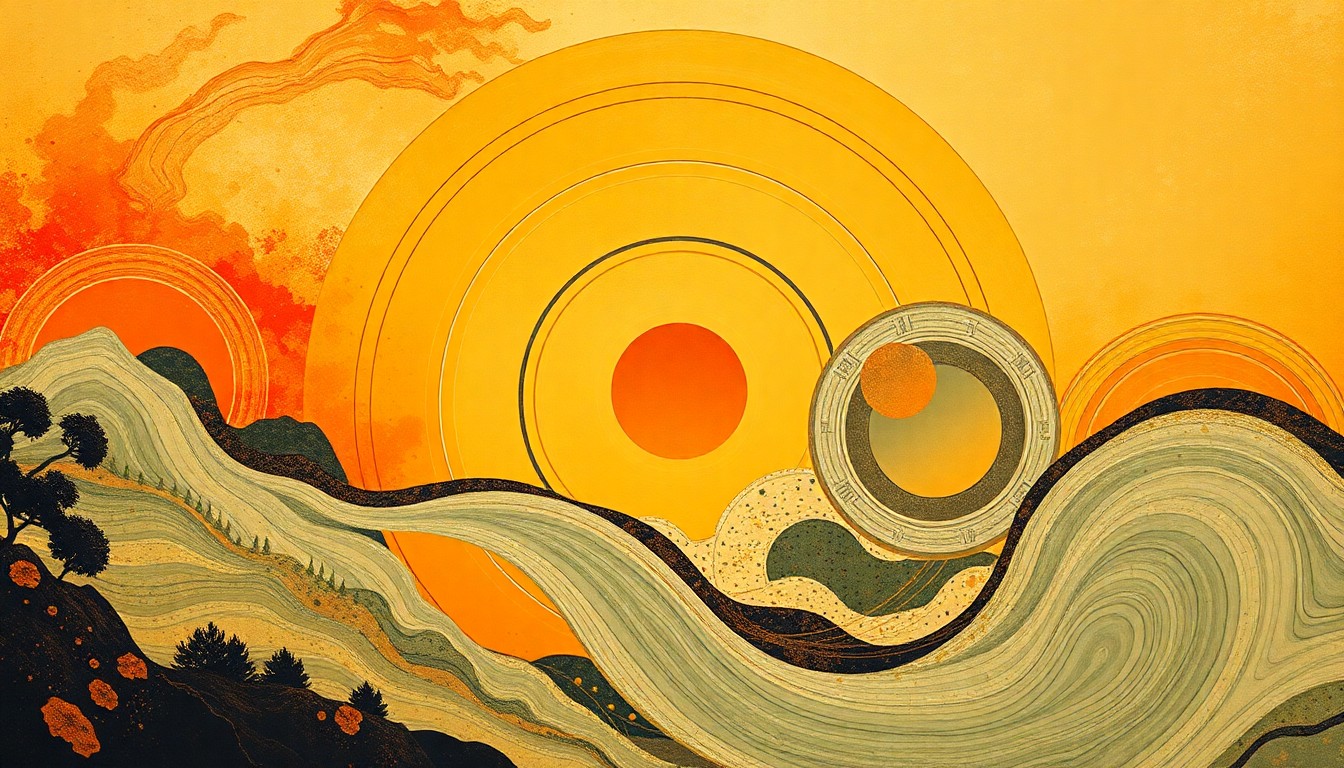 The WILDLAND exhibition's immersive artworks offered visitors new ways to visualize and connect with the dynamic interplay of natural forces shaping the California landscape.Santa Barbara Today
The WILDLAND exhibition at the Westmont Ridley-Tree Museum of Art in Santa Barbara, California, represented a powerful collaboration between artist Ethan Turpin and ecohydrologist Naomi Tague. The exhibition explored fire and water in the local landscape through lenses spanning spatial scales from tree roots to watersheds, and timescales from minutes to decades, offering visitors new ways to connect with the dynamic natural forces shaping their environment.
Why it matters
In an era of increasing wildfires and climate change, the WILDLAND exhibition provided a timely and emotionally resonant exploration of the complex interplay between fire, water, vegetation, and human communities. By combining scientific insights with evocative artistic expression, the exhibition aimed to help the public better understand and engage with the profound environmental changes unfolding around them.
The details
Key pieces in the WILDLAND exhibition, including the centerpiece work 'Tree Water' and the interactive installation 'Future Mountain', represented 10 years of collaboration between Turpin and Tague. 'Tree Water' used filmed footage of paint flowing along prewetted paper to create an abstract 'forest' that visually echoed the unseen movement of water through plants and landscapes. 'Future Mountain' directly visualized the output of an ecohydrology model, allowing visitors to experiment with parameters like temperature and precipitation to see the effects on factors like snowmelt, carbon sequestration, and fire severity.
- The WILDLAND exhibition opened on January 9, 2025, just 2 days after the deadly Eaton and Palisades fires devastated Los Angeles.
- The exhibition ran until March 22, 2025, over 16 years after the 2008 wildfire that burned 210 homes near the Westmont College campus and prompted the museum's fire-resilient design.
The players
Ethan Turpin
An independent visual artist based in Santa Barbara, California, who collaborated with Tague on the WILDLAND exhibition.
Naomi Tague
An ecohydrologist at the University of California, Santa Barbara, who collaborated with Turpin on the WILDLAND exhibition.
Westmont Ridley-Tree Museum of Art
The museum in Santa Barbara, California, that hosted the WILDLAND exhibition.
What they’re saying
“Trees are such an amazing living entity absorbing and collecting water and seeking ways to thrive in [their] own ecosystem.”
— Anonymous, Visitor reflecting on the WILDLAND exhibition
“My childhood home burned down in the Altadena [Eaton] fire, so it has been close to home.”
— Anonymous, Museum visitor
“Healing takes time, and that's shown in nature. The water exhibit was extremely informative.”
— Anonymous, Museum visitor
What’s next
The Future Mountain team plans to use feedback from the WILDLAND exhibition to create new game quests that help guide user exploration, and to expand the interactive exhibit to include other landscapes like the oak woodlands and chaparral of the Santa Barbara coastal range. Future installations of Tree Water will continue to provide an artistic lens on how actual trees receive and use water, with possible versions depicting the movement of water from a bird's-eye view or at the scale of roots accessing soil.
The takeaway
The WILDLAND exhibition demonstrated the power of art-science collaborations to offer new perspectives on the complex interactions between natural forces like fire and water, and to inspire deeper public engagement with the environmental changes unfolding in local communities. By balancing scientific credibility with emotional and aesthetic resonance, the exhibition was able to convey the nuances of ecohydrology in an evocative and memorable way.
Santa Barbara top stories
Santa Barbara events
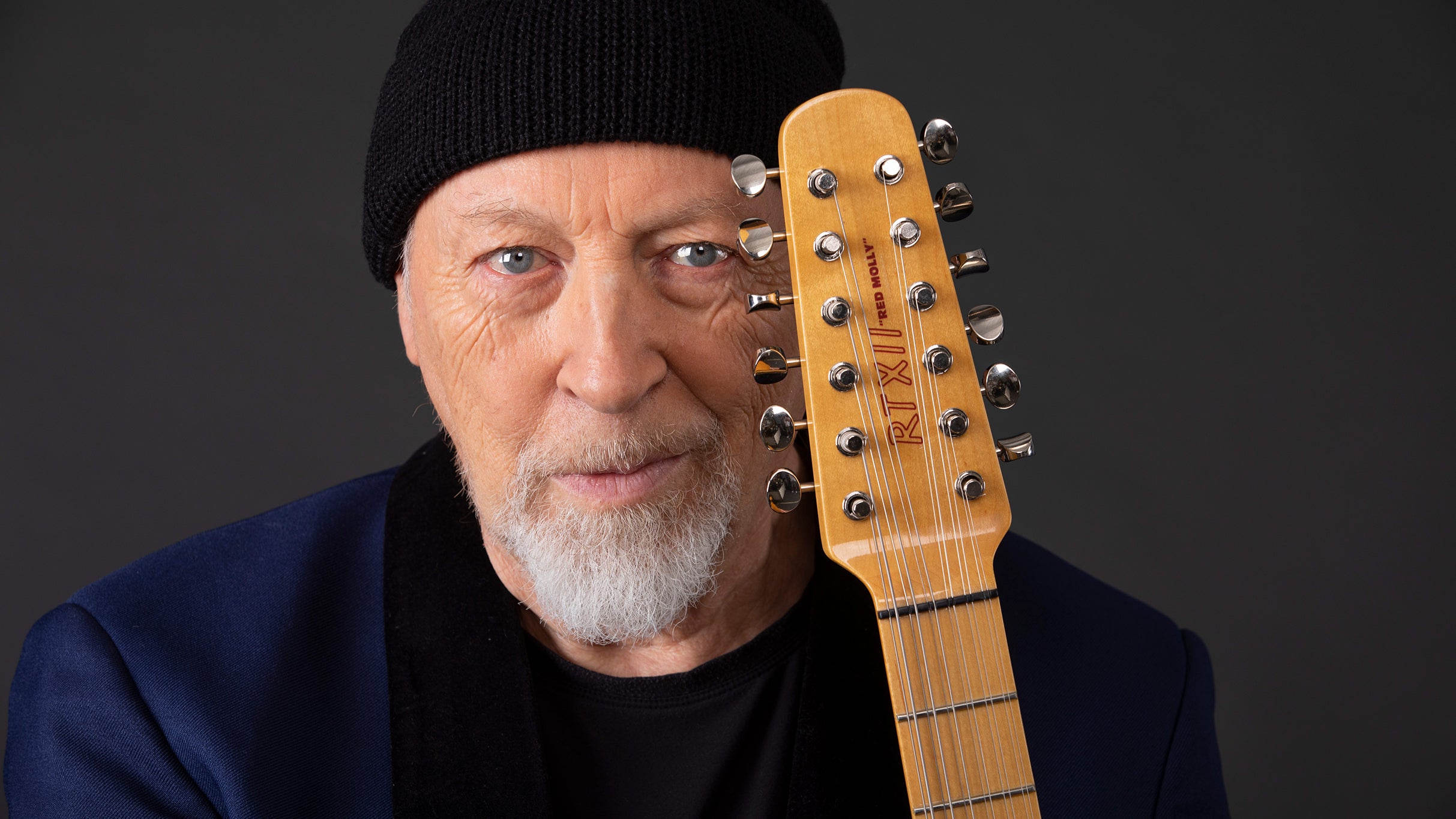
Apr. 4, 2026
Richard Thompson w/ Zara Phillips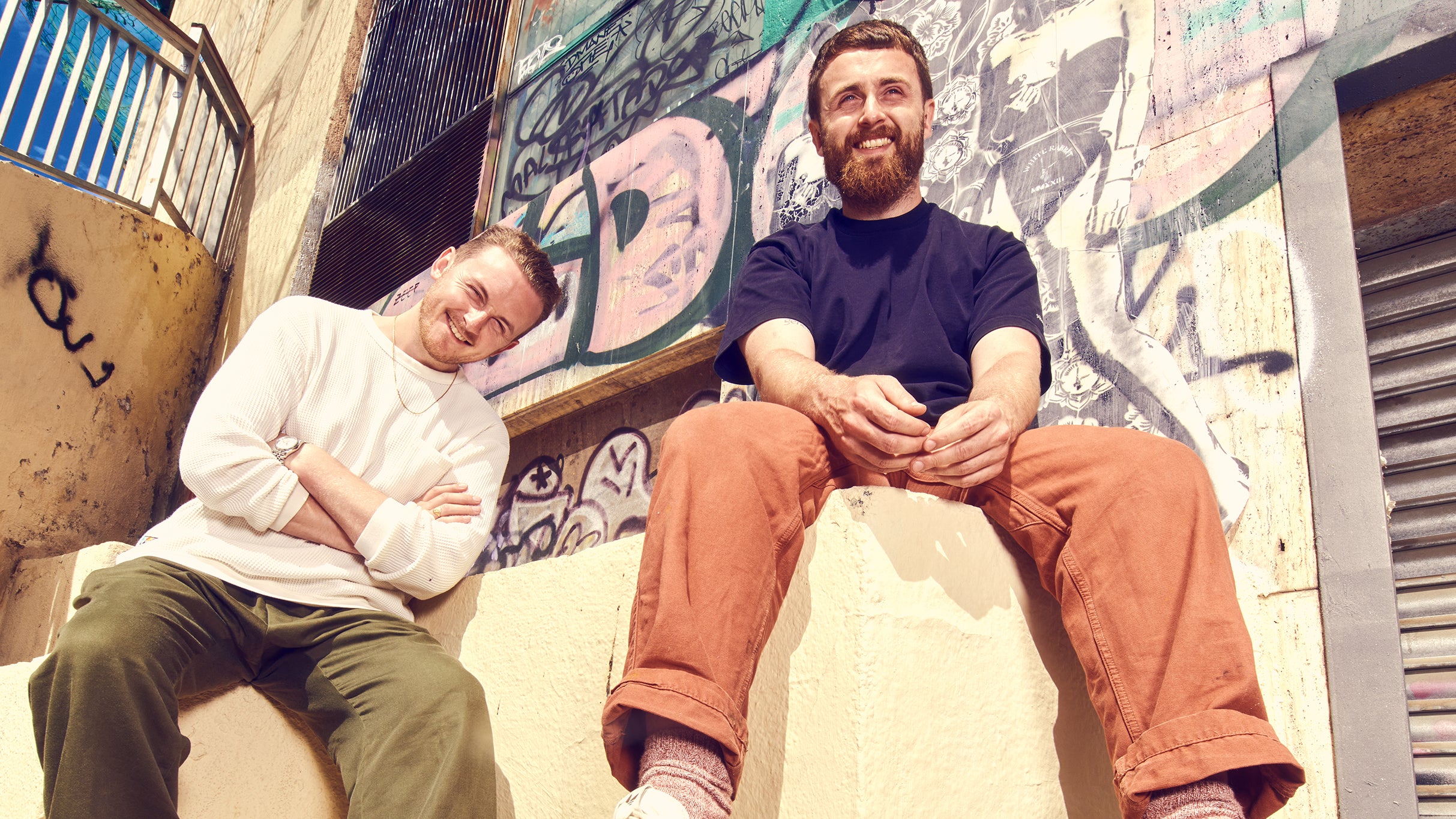
Apr. 7, 2026
Disclosure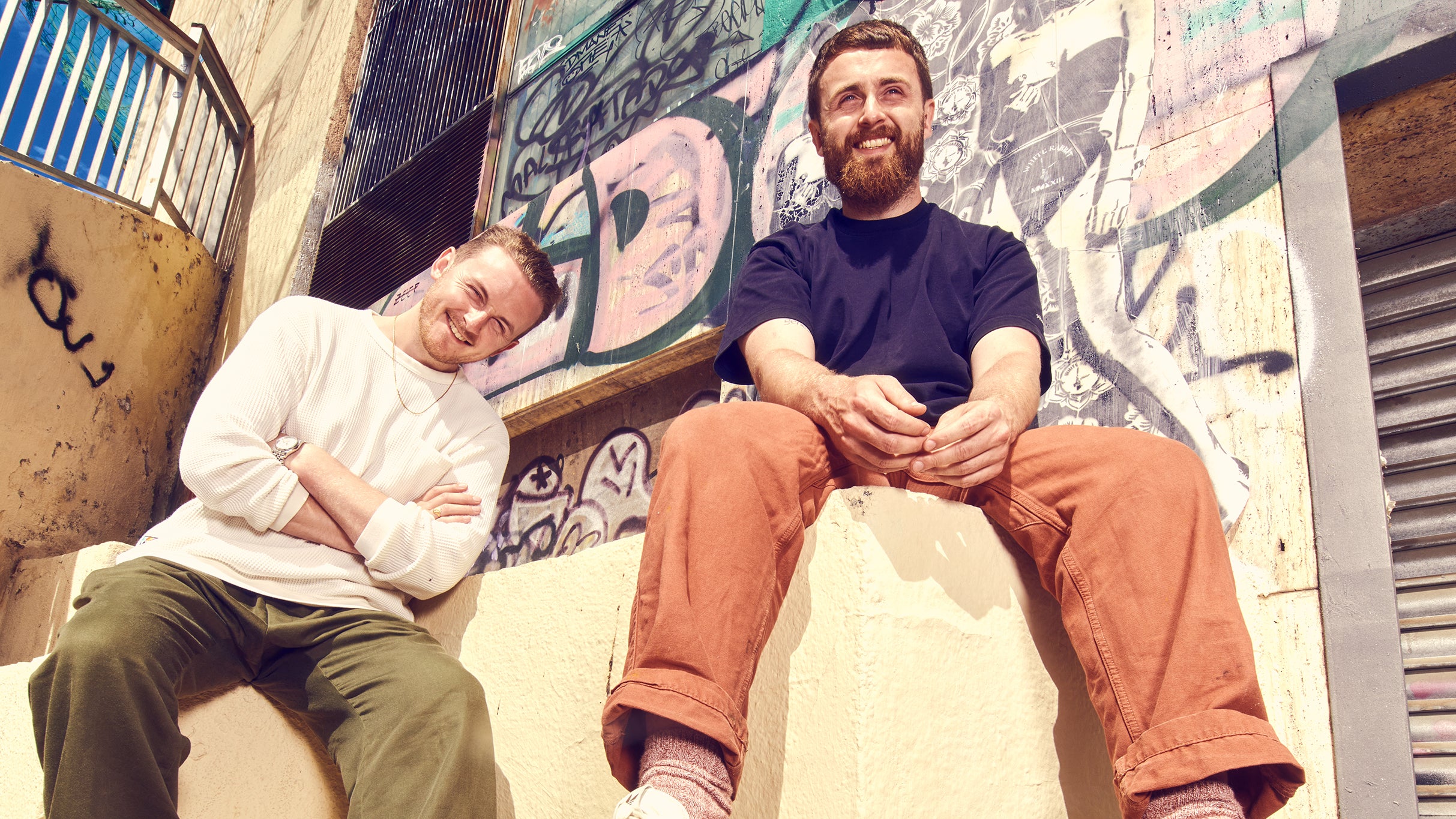
Apr. 8, 2026
Disclosure w/ Todd Edwards