- Today
- Holidays
- Birthdays
- Reminders
- Cities
- Atlanta
- Austin
- Baltimore
- Berwyn
- Beverly Hills
- Birmingham
- Boston
- Brooklyn
- Buffalo
- Charlotte
- Chicago
- Cincinnati
- Cleveland
- Columbus
- Dallas
- Denver
- Detroit
- Fort Worth
- Houston
- Indianapolis
- Knoxville
- Las Vegas
- Los Angeles
- Louisville
- Madison
- Memphis
- Miami
- Milwaukee
- Minneapolis
- Nashville
- New Orleans
- New York
- Omaha
- Orlando
- Philadelphia
- Phoenix
- Pittsburgh
- Portland
- Raleigh
- Richmond
- Rutherford
- Sacramento
- Salt Lake City
- San Antonio
- San Diego
- San Francisco
- San Jose
- Seattle
- Tampa
- Tucson
- Washington
Sea Center Welcomes Giant Seahorses
The new residents are a result of a San Diego scientist striking gold twice in one day.
Apr. 3, 2026 at 5:40pm
Got story updates? Submit your updates here. ›
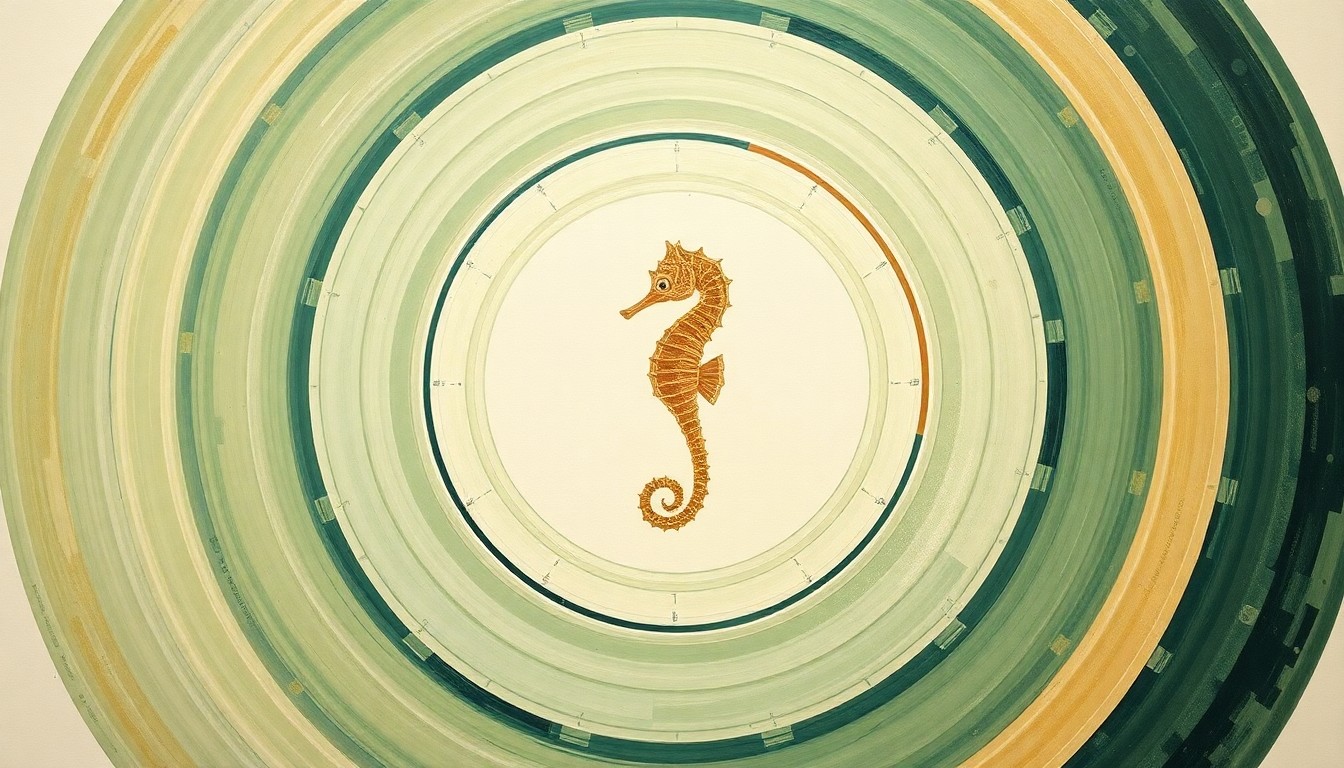 The arrival of rare Pacific seahorses at the Santa Barbara Sea Center highlights the need to protect vulnerable marine species and understand the environmental changes impacting the local coastal ecosystem.Santa Barbara Today
Researcher Ralph Appy and a team of students from Occidental College were casting finely knit nets from the shores of Coronado Island in San Diego when they discovered two rare Pacific seahorses, one of the world's largest seahorse species. The seahorses were transported to the Cabrillo Marine Aquarium, where they bred prolifically, and now nine of their offspring are on display at the Santa Barbara Museum of Natural History Sea Center.
Why it matters
Pacific seahorses, California's only native seahorse species, are hard to come by in the wild and are considered a vulnerable species by the International Union for Conservation of Nature due to declining populations from overfishing and use in traditional Chinese medicine. The new residents at the Sea Center help bring awareness to climate-induced changes taking place in the Santa Barbara Channel.
The details
After finding the pair of seahorses last spring, Appy carefully transported them to the Cabrillo Marine Aquarium, where the monogamous breeding pair immediately commenced their elegant mating dance. The pair produced hundreds of offspring, which the aquarium staff had to carefully raise in Kreisel tanks and distribute to other aquariums along the California coast, including nine that made their way to the Sea Center on Stearns Wharf.
- Last spring, Appy found the pair of seahorses on the shores of Coronado Island.
- A few months later, the breeding pair had more than 2,000 babies.
The players
Ralph Appy
A researcher from Occidental College who discovered the rare Pacific seahorses.
Olivia Cleek
An aquarist in Cabrillo's aquatic nursery where the seahorses were raised.
Max Rudelic
A senior aquarist at the Sea Center who is now caring for the new seahorse residents.
What they’re saying
“I was especially fast”
— Ralph Appy
“We just had so many. So honestly, we were just like, 'Anyone who wants them, please take them.'”
— Olivia Cleek, aquarist
“I see kids really get inspired”
— Max Rudelic, senior aquarist
What’s next
Rudelic is now working on building additional tanks to raise the baby seahorses, with the goal of donating them to other aquariums to help educate people about the changing coastal ecosystem in the Santa Barbara Channel.
The takeaway
The arrival of these rare Pacific seahorses at the Sea Center highlights the importance of conservation efforts for vulnerable marine species and serves as a signal of the environmental changes taking place in the Santa Barbara Channel due to climate change.
Santa Barbara top stories


Santa Barbara events

Apr. 4, 2026
Richard Thompson w/ Zara Phillips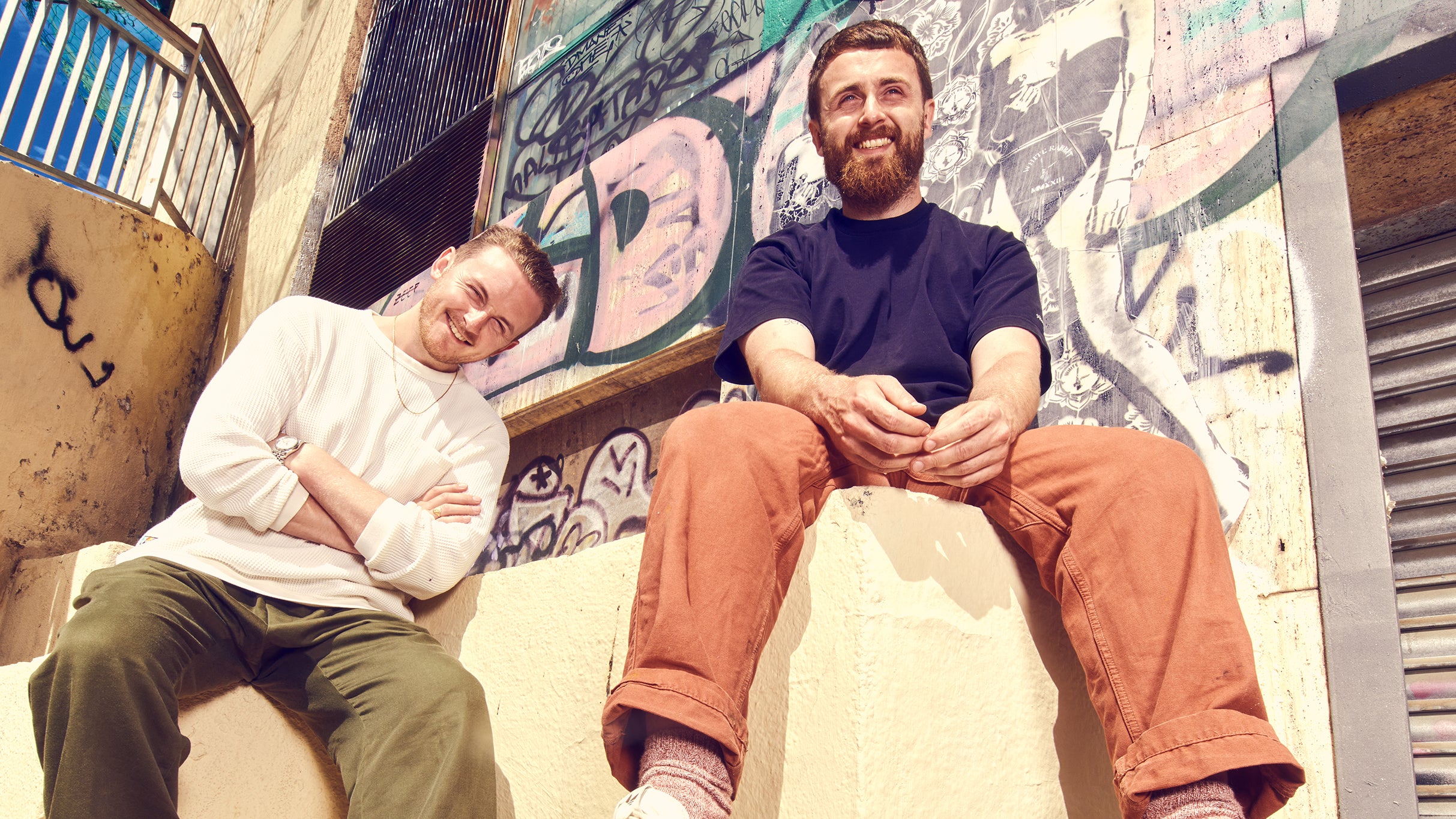
Apr. 7, 2026
Disclosure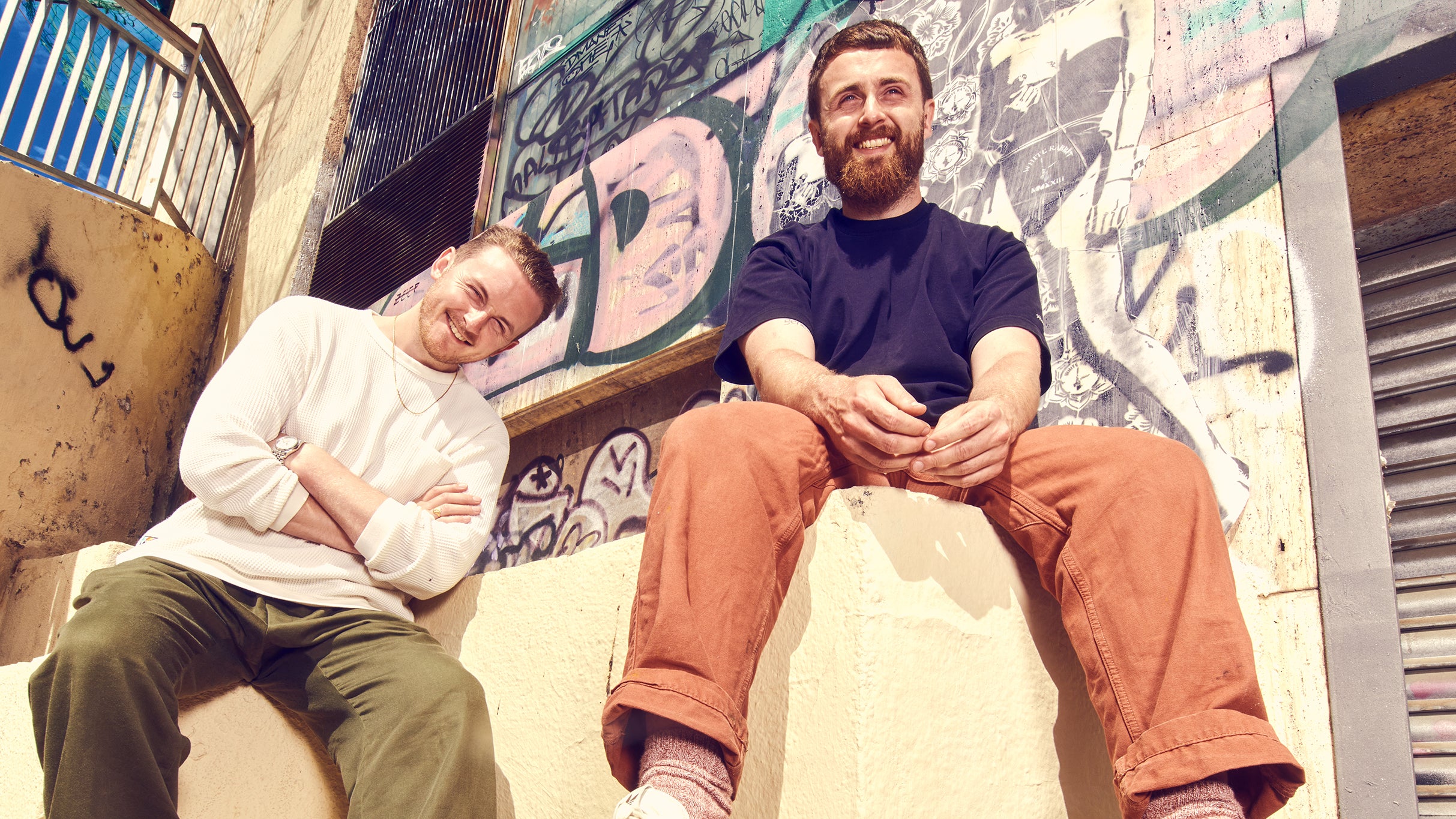
Apr. 8, 2026
Disclosure w/ Todd Edwards