- Today
- Holidays
- Birthdays
- Reminders
- Cities
- Atlanta
- Austin
- Baltimore
- Berwyn
- Beverly Hills
- Birmingham
- Boston
- Brooklyn
- Buffalo
- Charlotte
- Chicago
- Cincinnati
- Cleveland
- Columbus
- Dallas
- Denver
- Detroit
- Fort Worth
- Houston
- Indianapolis
- Knoxville
- Las Vegas
- Los Angeles
- Louisville
- Madison
- Memphis
- Miami
- Milwaukee
- Minneapolis
- Nashville
- New Orleans
- New York
- Omaha
- Orlando
- Philadelphia
- Phoenix
- Pittsburgh
- Portland
- Raleigh
- Richmond
- Rutherford
- Sacramento
- Salt Lake City
- San Antonio
- San Diego
- San Francisco
- San Jose
- Seattle
- Tampa
- Tucson
- Washington
Carpinteria Residents Fight to Protect Harbor Seal Colony
Save Our Seals nonprofit seeks beach closure to safeguard breeding grounds
Apr. 3, 2026 at 6:38pm
Got story updates? Submit your updates here. ›
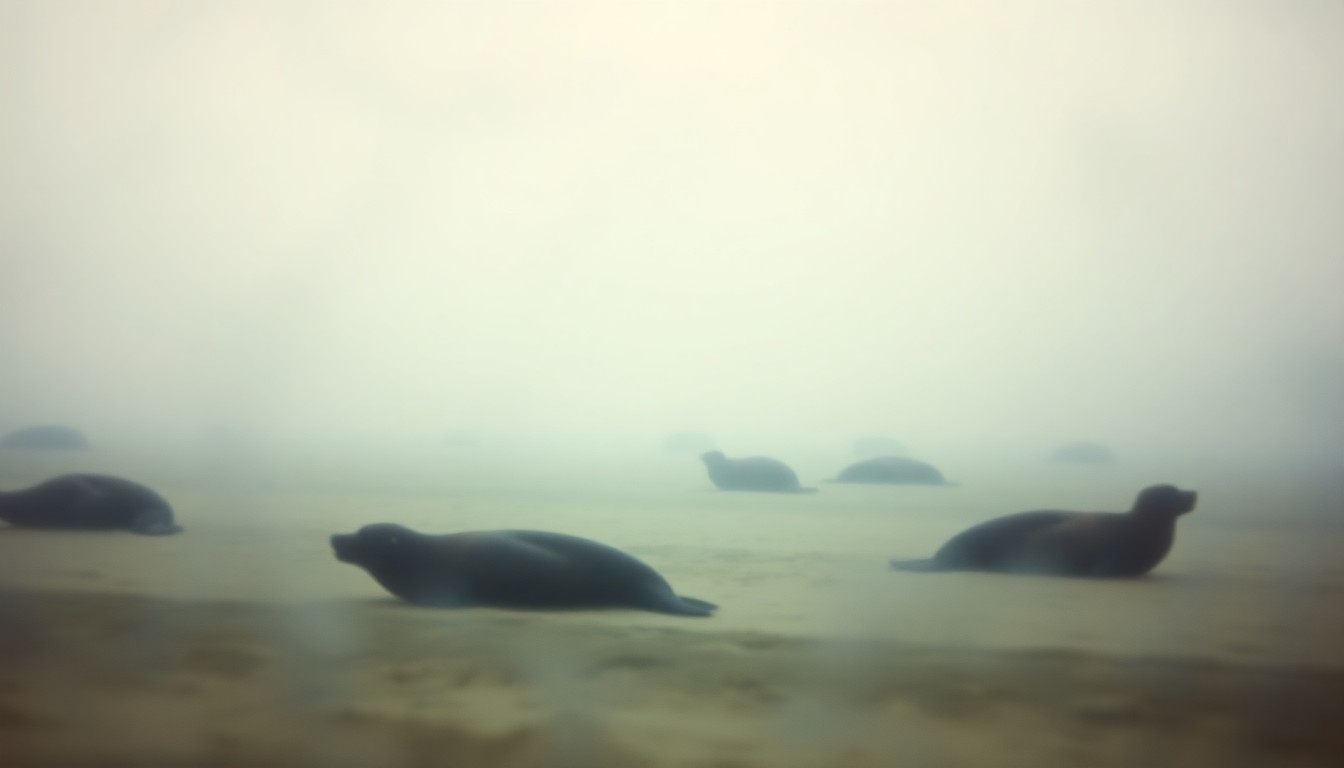 The delicate balance between human activity and the preservation of Carpinteria's harbor seal colony hangs in the balance.Santa Barbara Today
The 1,500-foot beach in Carpinteria, California that houses a colony of over 100 harbor seals is one of the last remaining breeding and pupping grounds on the mainland in Southern California. The nonprofit Save Our Seals (SOS) is working to educate the public and advocate for a temporary beach closure to protect the seals during their critical breeding season.
Why it matters
Harbor seals have established rookeries in Carpinteria for over a century, but the growing popularity of the beach among visitors and their dogs has put increasing stress on the seal population. SOS argues that human and canine disturbances are impairing the seals' reproductive system and leading to a decline in pup births.
The details
The beach housing the seal rookery closes annually from December 1 to May 31 to protect the seals during pupping season. In 2024, an advisory committee recommended a three-year full closure to see if the seal population would increase, but the city and California Coastal Commission refused, stating a closure wasn't warranted. SOS continues to push for the temporary closure, citing scientific data and first-hand observations showing the negative impacts of human and dog activity on the seals.
- The beach housing the seal rookery closes annually from December 1 to May 31 to protect the seals during pupping season.
- In 2024, an advisory committee recommended a three-year full closure to see if the seal population would increase.
The players
Save Our Seals (SOS)
A nonprofit organization formed around 2021 out of concern that the seals' habitats along the coast were rapidly disappearing. The group runs a Seal Watch volunteer program to monitor the rookery and educate the public.
Harbor Seal Advisory Committee
A committee formed by the city of Carpinteria in fall 2021 to investigate the decline in seals and make recommendations for protecting the colony.
California Coastal Commission
The state agency that refused the advisory committee's recommendation for a three-year beach closure, stating it wasn't warranted.
Carpinteria Valley Association
A preservationist group that Save Our Seals is a member of, working to protect the harbor seal colony and other natural resources in the area.
Jeanne
A Carpinteria Seal Watch volunteer who has observed the colony decline from 400 to about 100 seals over the past 18 years.
What they’re saying
“The problem with our harbor seals is that the land that has been so perfectly suited to them for over 100 years has now become quite popular for beachgoing walkers, visitors, for people in town, and their dogs.”
— Susan Mailheau, Veterinarian and member of Save Our Seals
“When they are stressed their reproductive system is impaired and not functioning as well, with this year alone having half the pups we normally have.”
— Susan Mailheau, Veterinarian and member of Save Our Seals
“We see people walking on the beach and ignoring us telling them to stop. One man even waved back at us and continued walking.”
— Jeanne, Carpinteria Seal Watch volunteer
What’s next
The Harbor Seal Advisory Committee continues to seek approval from the city and California Coastal Commission for a three-year test period to fully close the beach and monitor the seal population.
The takeaway
The fight to protect Carpinteria's harbor seal colony highlights the delicate balance between preserving sensitive wildlife habitats and accommodating growing human activity and development along the coast. The outcome of this battle could set an important precedent for how coastal communities manage and safeguard their natural resources.
Santa Barbara top stories


Santa Barbara events

Apr. 4, 2026
Richard Thompson w/ Zara Phillips
Apr. 7, 2026
Disclosure
Apr. 8, 2026
Disclosure w/ Todd Edwards