- Today
- Holidays
- Birthdays
- Reminders
- Cities
- Atlanta
- Austin
- Baltimore
- Berwyn
- Beverly Hills
- Birmingham
- Boston
- Brooklyn
- Buffalo
- Charlotte
- Chicago
- Cincinnati
- Cleveland
- Columbus
- Dallas
- Denver
- Detroit
- Fort Worth
- Houston
- Indianapolis
- Knoxville
- Las Vegas
- Los Angeles
- Louisville
- Madison
- Memphis
- Miami
- Milwaukee
- Minneapolis
- Nashville
- New Orleans
- New York
- Omaha
- Orlando
- Philadelphia
- Phoenix
- Pittsburgh
- Portland
- Raleigh
- Richmond
- Rutherford
- Sacramento
- Salt Lake City
- San Antonio
- San Diego
- San Francisco
- San Jose
- Seattle
- Tampa
- Tucson
- Washington
Waves of Will: ALS Patient's Journey to Movement and Expression
How a brain-computer interface project is redefining personal agency for those living with motor-degenerative diseases
Apr. 11, 2026 at 2:57am
Got story updates? Submit your updates here. ›
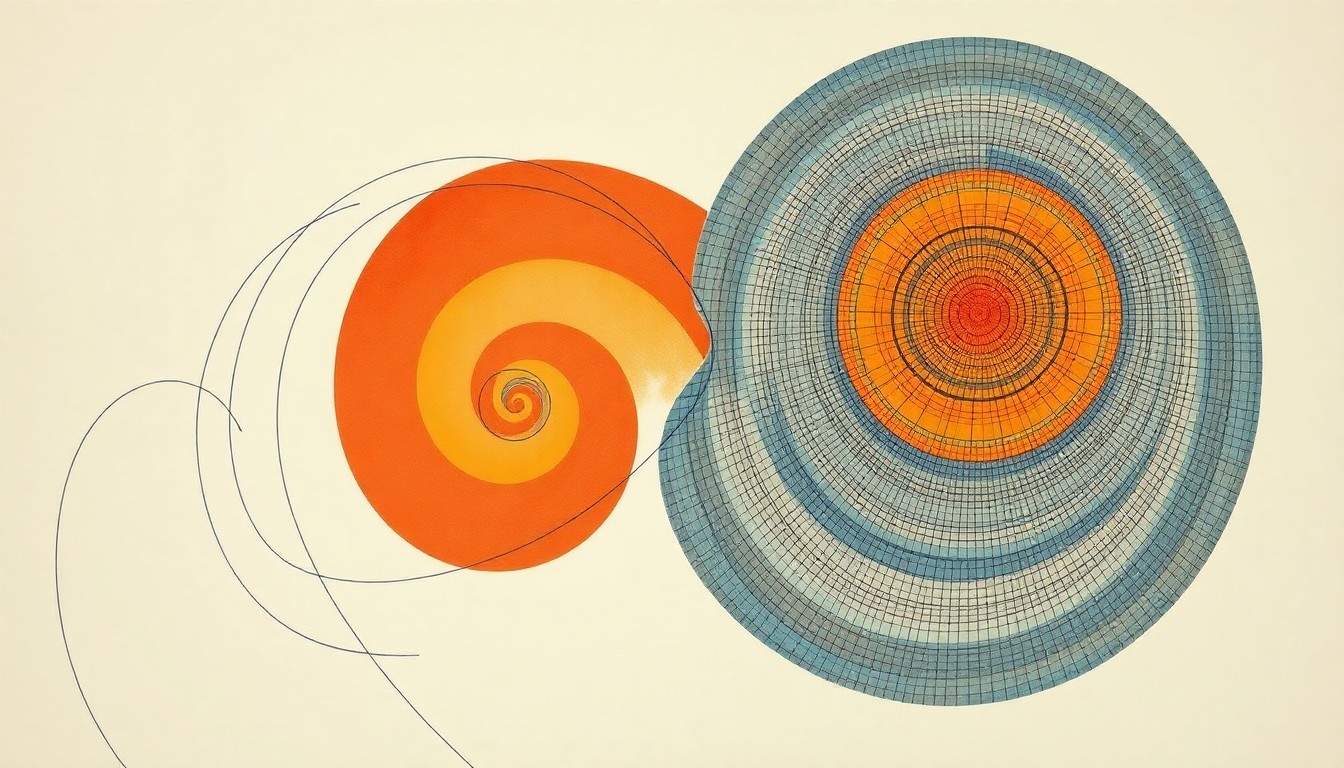 A conceptual illustration of the Waves of Will project, where a dancer's brainwaves guide an avatar's graceful movements, redefining personal expression beyond physical limitations.San Jose Today
Waves of Will, a groundbreaking project, allows a dancer with ALS to express herself by guiding an avatar with her brainwaves, redefining embodiment and personal agency for those living with motor-degenerative diseases. The system relies on the user producing distinct brain patterns to drive the avatar's movements, requiring trained intentionality and neural signal clarity. The project's focus on accessibility aims to make this technology available to a wider community, potentially retrofitting everyday devices with brain-driven control.
Why it matters
Waves of Will sits at the intersection of neuroscience, design, and care, providing a radical redefinition of agency for people whose physical limitations restrict their ability to communicate, create, and belong. By democratizing brain-computer interfaces, the project challenges the notion that assistive technology must be prohibitively expensive or opaque, aiming to empower self-expression and daily autonomy for a broader spectrum of users.
The details
The Waves of Will system requires the user to isolate muscular signals and quiet external noise while focusing inwardly to generate actionable brain signals that drive the avatar's movements. This process resembles the discipline of meditation or complex musical performance, where inner quiet becomes outward rhythm. The project's emphasis on affordability and user-friendliness aims to make the technology accessible beyond specialized clinics and labs, potentially scaling to wheelchairs, remote controls, and everyday tools.
- The Waves of Will project was launched in 2024.
The players
Breanna
A dancer living with ALS who is the primary user and tester of the Waves of Will system.
Naoki Tanaka
The lead designer of the Waves of Will project, who emphasizes the importance of making brain-computer interfaces affordable and accessible.
Mariko Nakamura
A researcher on the Waves of Will team who suggests the technology could be repurposed for other assistive devices, broadening its utility.
What they’re saying
“The more refined the brain's signal becomes, the more human the output feels. The technology isn't erasing the body's role; it's expanding what 'body' can mean when moving through a machine.”
— Nathanael Baumbach, Author
“If the tech can scale to more devices—wheelchairs, remote controls, everyday tools—the ripple effects are enormous. Identity and participation aren't limited to performance; they extend to daily autonomy, from selecting a movie to turning on lights.”
— Nathanael Baumbach, Author
What’s next
The Waves of Will team plans to continue refining the technology and exploring ways to make it more accessible, with the goal of eventually integrating it into a wider range of assistive devices.
The takeaway
Waves of Will represents a shift in mindset, where personal expression is no longer constrained by anatomy but amplified by thoughtful design, affordable access, and a willingness to redefine what 'movement' means. The project's focus on inclusion, agency, and the human will to connect suggests a future where technology extends rather than outpaces humanity.
San Jose top stories

San Jose events


Apr. 11, 2026
San Jose Sharks vs. Vancouver Canucks
Apr. 11, 2026
Anthony Jeselnik