- Today
- Holidays
- Birthdays
- Reminders
- Cities
- Atlanta
- Austin
- Baltimore
- Berwyn
- Beverly Hills
- Birmingham
- Boston
- Brooklyn
- Buffalo
- Charlotte
- Chicago
- Cincinnati
- Cleveland
- Columbus
- Dallas
- Denver
- Detroit
- Fort Worth
- Houston
- Indianapolis
- Knoxville
- Las Vegas
- Los Angeles
- Louisville
- Madison
- Memphis
- Miami
- Milwaukee
- Minneapolis
- Nashville
- New Orleans
- New York
- Omaha
- Orlando
- Philadelphia
- Phoenix
- Pittsburgh
- Portland
- Raleigh
- Richmond
- Rutherford
- Sacramento
- Salt Lake City
- San Antonio
- San Diego
- San Francisco
- San Jose
- Seattle
- Tampa
- Tucson
- Washington
The Evolution of Warhammer Tyranids: A Visual Journey (2026)
From minimalist terror to hyper-detailed spectacle, the art of the Tyranids sparks debate among Warhammer fans.
Apr. 11, 2026 at 6:33am
Got story updates? Submit your updates here. ›
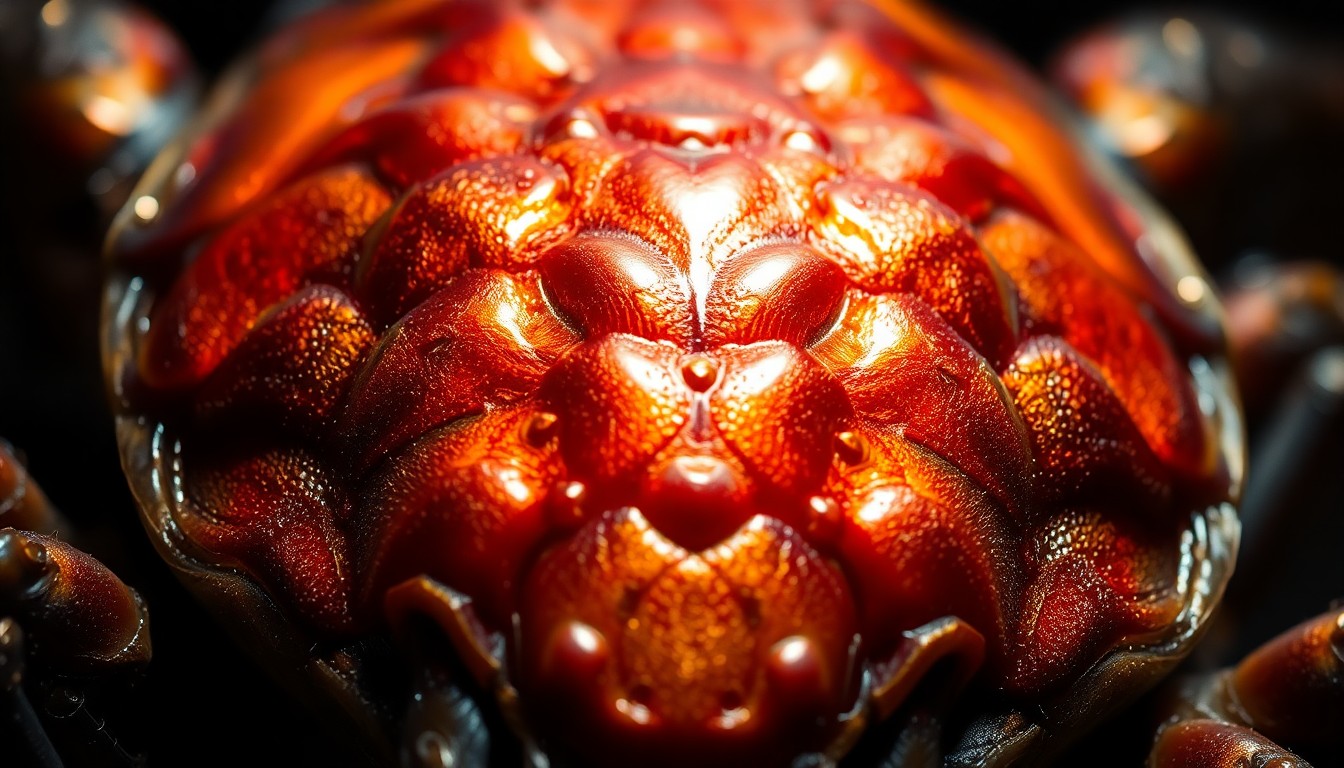 The Tyranids' visual evolution blends horror and fascination, as their alien biomechanical forms become increasingly intricate and captivating.San Jose Today
The evolution of Warhammer art is a captivating journey, but when it comes to the Tyranids, it's a story that blends horror, fascination, and controversy in equal measure. From their earliest depictions to the modern masterpieces, these alien invaders have undergone a transformation that mirrors the ever-changing landscape of the Warhammer universe. While some fans celebrate the increasingly detailed and grotesque designs, others argue that the essence of the Tyranids' primal terror has been lost in the pursuit of visual spectacle.
Why it matters
The evolution of Tyranid art is a reflection of the ongoing debate within the Warhammer community about the balance between aesthetics and the core concepts that define these iconic alien creatures. As the designs have become more complex, some fans feel that the Tyranids have lost their primal, unsettling essence, while others argue that the visual spectacle has elevated the faction's appeal. This discussion highlights the delicate balance between artistic expression and preserving the fundamental identity of a beloved Warhammer element.
The details
In the early days of Warhammer 40,000, Tyranid art was characterized by its simplicity and raw, alien menace. The creatures were often depicted with smooth, almost organic shapes, hinting at a nightmarish intelligence lurking beneath the surface. As the years progressed, the complexity of Tyranid art increased, showcasing an astonishing level of detail in their chitinous exoskeletons and grotesque, biomechanical weaponry. This shift has undoubtedly elevated the visual appeal of the Tyranids, but some longtime fans argue that the hyper-detailed approach has diluted the primal horror that once defined them.
- The earliest depictions of Tyranids in Warhammer 40,000 date back to the 1980s.
- Over the decades, the visual representation of Tyranids has become increasingly complex and detailed.
The players
Warhammer 40,000
The science fiction tabletop wargame and media franchise set in a dystopian future, where the Tyranids are one of the most iconic and terrifying alien factions.
Tyranids
The insectoid, hive-minded alien race that serves as one of the primary antagonists in the Warhammer 40,000 universe, known for their relentless consumption and assimilation of other species.
Warhammer Fans
The passionate and engaged community of players, collectors, and enthusiasts who have followed the evolution of Warhammer art and lore over the years.
What they’re saying
“The minimalism of these early Tyranid designs allowed players to project their own fears onto the creatures, making them even more terrifying in the imagination.”
— Unnamed Warhammer Fan
“Has the focus on aesthetics overshadowed the core concept of a mindless, consuming swarm?”
— Longtime Warhammer Fan
What’s next
As the Warhammer universe continues to evolve, fans will undoubtedly debate the future direction of Tyranid art. Will artists find a way to blend the primal horror of the past with the visual spectacle of the present, or will the faction's identity continue to be a source of controversy? The community's engagement with this discussion will shape the creative choices made by the Warhammer team, ultimately determining the fate of these iconic alien invaders.
The takeaway
The evolution of Tyranid art in Warhammer 40,000 reflects the ongoing tension between artistic expression and preserving the core identity of a beloved faction. While some fans celebrate the increased visual complexity, others argue that the essence of the Tyranids' primal terror has been lost. This debate highlights the delicate balance that creative teams must strike when updating iconic elements of a long-running franchise to keep it fresh and engaging for a modern audience.
San Jose top stories

San Jose events

Apr. 11, 2026
San Jose Sharks vs. Vancouver Canucks
Apr. 11, 2026
Anthony Jeselnik