- Today
- Holidays
- Birthdays
- Reminders
- Cities
- Atlanta
- Austin
- Baltimore
- Berwyn
- Beverly Hills
- Birmingham
- Boston
- Brooklyn
- Buffalo
- Charlotte
- Chicago
- Cincinnati
- Cleveland
- Columbus
- Dallas
- Denver
- Detroit
- Fort Worth
- Houston
- Indianapolis
- Knoxville
- Las Vegas
- Los Angeles
- Louisville
- Madison
- Memphis
- Miami
- Milwaukee
- Minneapolis
- Nashville
- New Orleans
- New York
- Omaha
- Orlando
- Philadelphia
- Phoenix
- Pittsburgh
- Portland
- Raleigh
- Richmond
- Rutherford
- Sacramento
- Salt Lake City
- San Antonio
- San Diego
- San Francisco
- San Jose
- Seattle
- Tampa
- Tucson
- Washington
Fed's Barr Casts Doubt on AI as Rate-Cutting Tool
Barr warns AI could be inflationary, disrupting the job market in the short term
Feb. 19, 2026 at 5:15am
Got story updates? Submit your updates here. ›
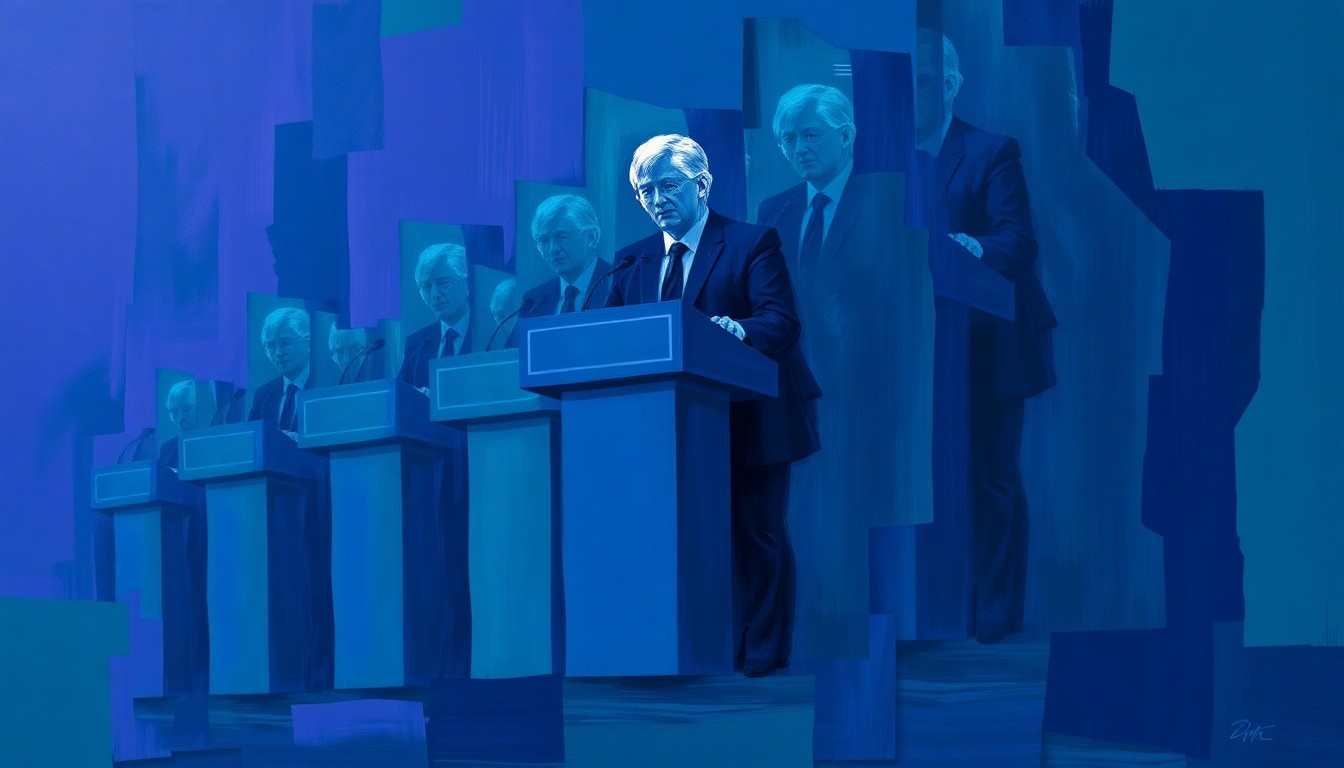
Federal Reserve governor Michael Barr said the boom in artificial intelligence is unlikely to be a reason for lowering policy rates, disputing the idea of AI as a productivity accelerator that puts the Fed on a rate-cutting path. Barr warned that AI could be inflationary and deeply disrupt the job market in the short term, though he believes its long-term impact will be "profoundly positive."
Why it matters
Barr's comments strike a different tone from Fed Chair nominee Kevin Warsh, who has said AI will usher in "the most productivity-enhancing wave of our lifetimes" and be "structurally disinflationary," allowing for lower interest rates. Barr's views on AI and inflation could influence the Fed's future policy decisions.
The details
Barr said he would like to see evidence that goods price inflation is "sustainably retreating" before considering reducing the policy rate further, provided labor market conditions remain stable. He joins other Fed officials in recent days who have said they want to see inflation slow before looking at cutting rates. Barr also warned that AI could impact the job market by leading to a "jobless boom" with rapid adoption automating many jobs.
- On February 17, 2026, Federal Reserve governor Michael Barr made these comments in a speech at the New York Association for Business Economics.
The players
Michael Barr
A Federal Reserve governor who expressed skepticism about AI as a reason for lowering policy rates.
Kevin Warsh
The nominee for Federal Reserve Chair, who has said AI will be "structurally disinflationary" and allow for lower interest rates.
Austan Goolsbee
The president of the Chicago Federal Reserve, who said he would like to see further progress on inflation falling to the Fed's 2% target before supporting another rate cut.
Mary Daly
The president of the San Francisco Federal Reserve, who suggested the Fed should look past official data and be forward-looking when it comes to the impact of AI.
Alan Greenspan
The former Federal Reserve Chair, whose approach to monetary policy in the 1990s Daly invoked as a model for how the Fed should consider the impact of AI.
What they’re saying
“I expect that the AI boom is unlikely to be a reason for lowering policy rates.”
— Michael Barr, Federal Reserve Governor
“The extent of disruption will depend in part on whether society undertakes the investments needed in new job creation, worker training, connecting workers to new jobs, and other efforts to mitigate adverse labor market effects.”
— Michael Barr, Federal Reserve Governor
“It is a reminder that monetary policy is a forward-looking business. We won't find all the answers in the aggregate data on productivity, the labor market, or inflation. Seeing developments before they fully emerge requires digging deeper, relying on disaggregated information that foreshadows transformation.”
— Mary Daly, President, San Francisco Federal Reserve
What’s next
The Fed will be closely watching economic data, including inflation and labor market conditions, to determine if and when it may be appropriate to cut interest rates further.
The takeaway
Barr's skepticism about AI as a reason to lower rates, coupled with his warnings about AI's potential inflationary and disruptive impacts on the job market, suggest the Fed may be more cautious about cutting rates in the near term despite the productivity potential of AI technology.
San Jose top stories


San Jose events

Apr. 8, 2026
San Jose Sharks vs. Edmonton Oilers
Apr. 8, 2026
Mal Hall
Apr. 9, 2026
Anthony Jeselnik