- Today
- Holidays
- Birthdays
- Reminders
- Cities
- Atlanta
- Austin
- Baltimore
- Berwyn
- Beverly Hills
- Birmingham
- Boston
- Brooklyn
- Buffalo
- Charlotte
- Chicago
- Cincinnati
- Cleveland
- Columbus
- Dallas
- Denver
- Detroit
- Fort Worth
- Houston
- Indianapolis
- Knoxville
- Las Vegas
- Los Angeles
- Louisville
- Madison
- Memphis
- Miami
- Milwaukee
- Minneapolis
- Nashville
- New Orleans
- New York
- Omaha
- Orlando
- Philadelphia
- Phoenix
- Pittsburgh
- Portland
- Raleigh
- Richmond
- Rutherford
- Sacramento
- Salt Lake City
- San Antonio
- San Diego
- San Francisco
- San Jose
- Seattle
- Tampa
- Tucson
- Washington
Democratic Party Navigates Post-Trump Economic Strategy
Debates over neoliberal vs. populist policies divide the party after 2024 election losses.
Apr. 12, 2026 at 12:33am by Ben Kaplan
Got story updates? Submit your updates here. ›
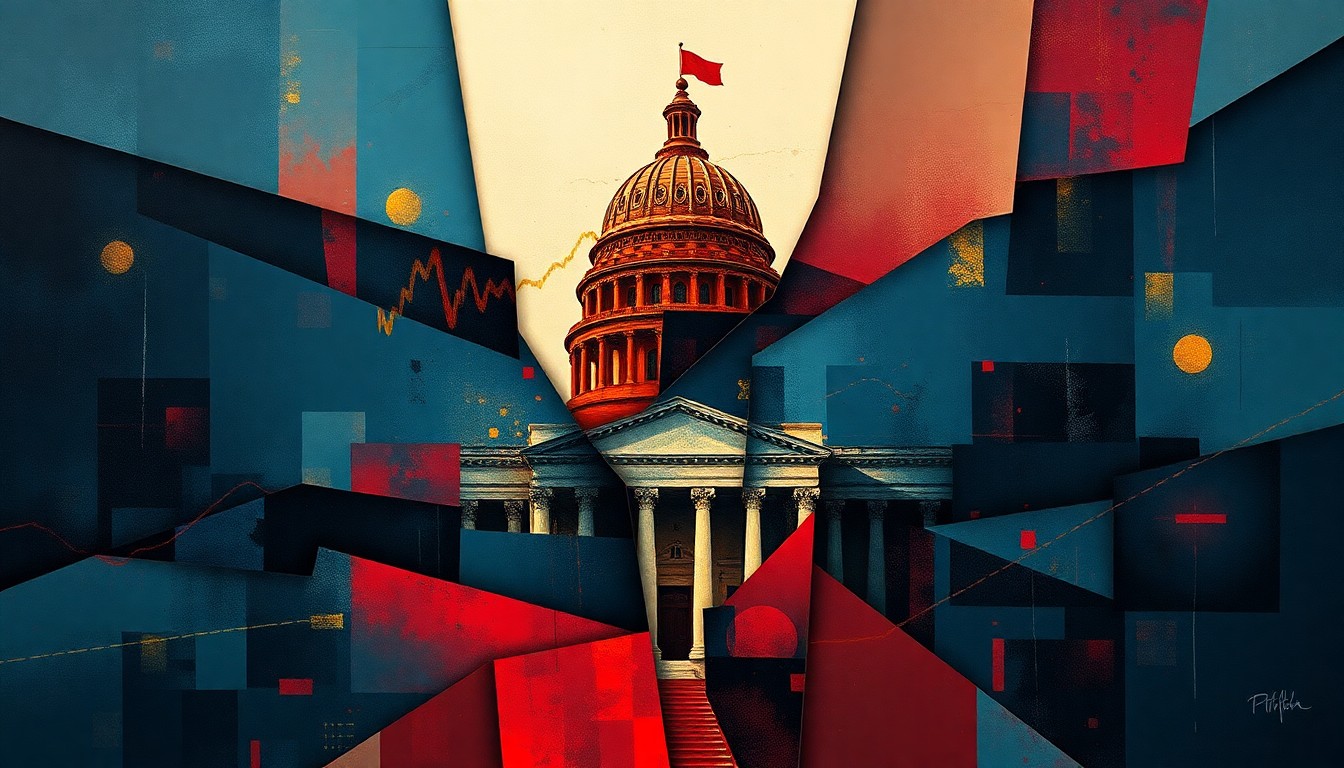 The Democratic Party's internal debate over economic policy direction reflects broader tensions and uncertainty in the post-Trump political landscape.San Francisco Today
The Democratic Party is grappling with a strategic divide over its economic identity and approach as it tries to establish a post-Trump strategy following the 2024 election. Internal debates center on whether the party should return to neoliberal economic policies or continue pursuing a more populist, government-led approach to the economy.
Why it matters
The outcome of this debate will shape the Democratic Party's economic platform and its ability to reconnect with working-class voters who abandoned the party in the 2024 election, despite the implementation of the more populist 'Bidenomics' policies.
The details
Following the 2016 election, many on the left concluded that Donald Trump's victory was partly due to five decades of neoliberal economic policy. When Joe Biden took office in 2021, his administration shifted toward a more populist 'Bidenomics' model with a greater government role in the economy. However, working-class voters still abandoned the Democrats in 2024, leading to critiques that the populist experiment had failed.
- The Democratic Party's strategic debates are ongoing as of February 26, 2026.
- Joe Biden implemented the 'Bidenomics' populist economic policies when he took office in 2021.
- The 2024 election saw a further erosion of Democratic support among working-class voters.
The players
Jason Furman
Former chair of Barack Obama's Council of Economic Advisers, who provided a detailed critique of the Biden administration's 'Bidenomics' policies in a Foreign Affairs essay.
Barack Obama
Former Democratic president whose influence over the party's direction in the last two decades is described as unparalleled.
Hillary Clinton
Former Democratic presidential nominee whose influence over the party's direction in the last two decades is described as unparalleled.
Joe Biden
Current Democratic president who implemented the 'Bidenomics' populist economic policies.
What they’re saying
“Policymakers should never again ignore the basics in pursuit of fanciful heterodox solutions”
— Jason Furman, Former chair of Barack Obama's Council of Economic Advisers
The takeaway
The Democratic Party's ongoing debate over its economic identity and approach highlights the challenges it faces in reconnecting with working-class voters and establishing a viable post-Trump strategy. The outcome of this debate will be crucial in shaping the party's future direction and electoral prospects.