- Today
- Holidays
- Birthdays
- Reminders
- Cities
- Atlanta
- Austin
- Baltimore
- Berwyn
- Beverly Hills
- Birmingham
- Boston
- Brooklyn
- Buffalo
- Charlotte
- Chicago
- Cincinnati
- Cleveland
- Columbus
- Dallas
- Denver
- Detroit
- Fort Worth
- Houston
- Indianapolis
- Knoxville
- Las Vegas
- Los Angeles
- Louisville
- Madison
- Memphis
- Miami
- Milwaukee
- Minneapolis
- Nashville
- New Orleans
- New York
- Omaha
- Orlando
- Philadelphia
- Phoenix
- Pittsburgh
- Portland
- Raleigh
- Richmond
- Rutherford
- Sacramento
- Salt Lake City
- San Antonio
- San Diego
- San Francisco
- San Jose
- Seattle
- Tampa
- Tucson
- Washington
Tesla's Robotaxi Outlook Draws Bullish Calls From Wall Street
BofA and Morgan Stanley see Tesla's camera-only approach as a key cost advantage in the autonomous driving race.
Apr. 11, 2026 at 11:40am by Ben Kaplan
Got story updates? Submit your updates here. ›
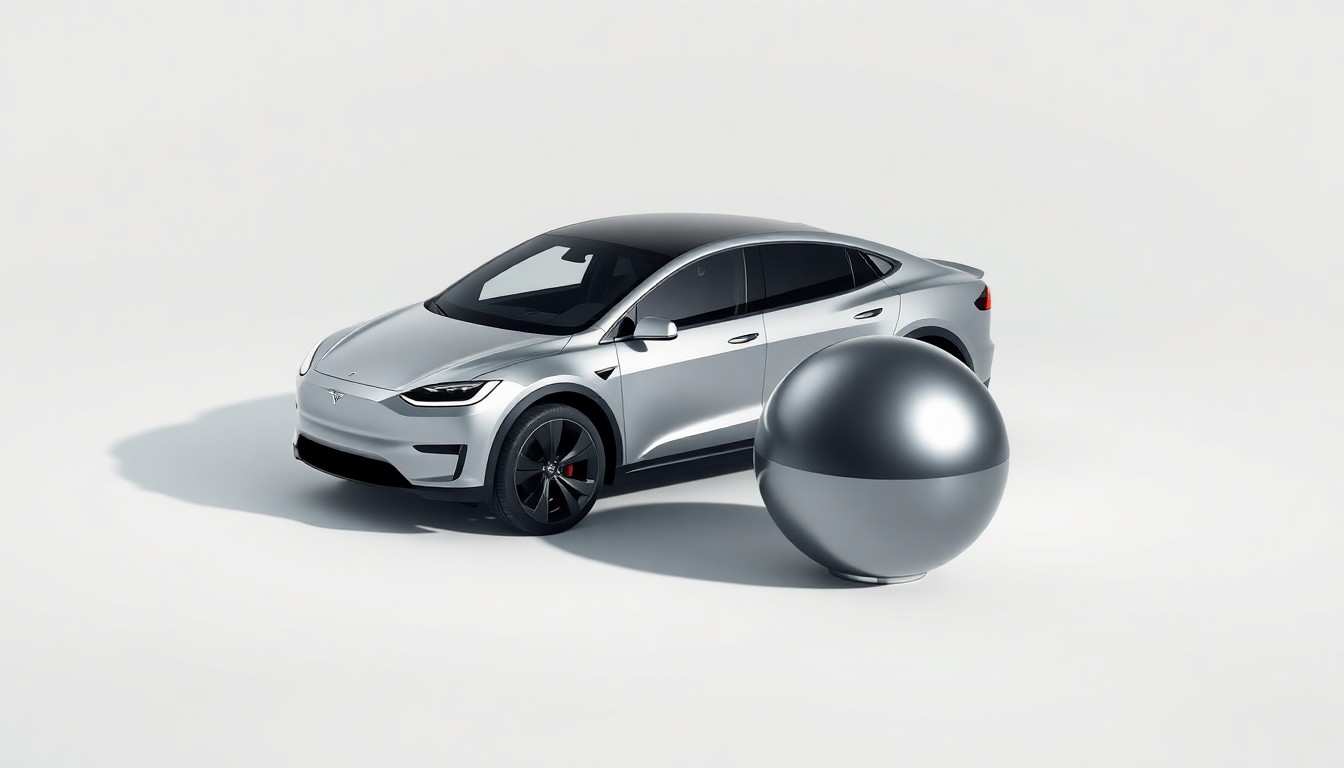 Tesla's vision-only robotaxi approach aims to undercut competitors on cost-per-mile, potentially fueling rapid expansion of its autonomous driving network.San Francisco Today
Tesla's Q1 2026 deliveries missed estimates, but two major Wall Street firms have issued bullish outlooks on the company's robotaxi potential. Bank of America and Morgan Stanley see Tesla's camera-only approach as a scalable cost advantage over competitors using more expensive sensor arrays. They estimate Tesla's robotaxi cost-per-mile could be significantly lower than rivals like Waymo and traditional rideshare platforms.
Why it matters
Tesla's ability to profitably scale its robotaxi service is seen as a key catalyst for the stock, even as the company faces pressure in its core EV business from expiring tax credits and intensifying competition. The robotaxi opportunity could create a feedback loop, generating more real-world driving data to improve Tesla's autonomous software for both commercial and consumer use.
The details
Tesla delivered 358,000 vehicles in Q1 2026, up 6% year-over-year but below the 365,000 consensus estimate. TSLA stock is down 29% from its peak as the EV business has faced headwinds. However, Bank of America reinstated coverage with a $460 price target, citing Tesla's vision-only robotaxi approach as a scalable cost advantage over competitors using more expensive sensor arrays. Morgan Stanley estimates Tesla's robotaxi cost-per-mile at $0.81, well below Waymo ($1.43) and traditional rideshare ($1.71). The real miss in Q1 was Tesla's Energy Storage segment, with deployments falling 40% short of expectations.
- Tesla delivered 358,000 vehicles in Q1 2026.
- Bank of America reinstated coverage on Tesla in March 2026.
The players
Tesla, Inc.
An American electric vehicle and clean energy company that designs and manufactures electric cars, energy storage products, and related products.
Bank of America
A multinational investment bank and financial services company headquartered in Charlotte, North Carolina.
Morgan Stanley
An American multinational investment bank and financial services company headquartered in New York City.
Waymo
An American autonomous driving technology development company and a subsidiary of Alphabet Inc., Google's parent company.
What they’re saying
“Tesla's camera-only approach is technically harder but much cheaper and leverages a consumer-fleet data engine. Tesla's strategy should allow it to scale more profitably compared to robotaxi competitors.”
— Alexander Perry, Analyst
“We estimate Tesla's robotaxi cost-per-mile at $0.81, compared to $1.43 for Waymo and $1.71 for traditional rideshare platforms. We expect that figure to fall further as Cybercab production scales.”
— Andrew Percoco, Analyst
What’s next
Morgan Stanley has adjusted its full-year 2026 delivery forecast for Tesla to 1.60 million vehicles, still representing a 2.2% year-over-year decline. The firm's longer-term model targets a mid-teens volume CAGR through 2030, driven by new model launches including a potential 'Model YL' and an updated Cybertruck.
The takeaway
Tesla's ability to profitably scale its camera-only robotaxi service could be a key differentiator and growth driver for the company, even as it faces challenges in its core EV business. The potential cost advantage over competitors could allow Tesla to expand its autonomous driving network more quickly and create a feedback loop to improve its consumer self-driving software.
San Francisco top stories


San Francisco events
Apr. 11, 2026
Caroline Jones with Alyssa Bonagura
Apr. 11, 2026
San Francisco Ballet presents La Sylphide