- Today
- Holidays
- Birthdays
- Reminders
- Cities
- Atlanta
- Austin
- Baltimore
- Berwyn
- Beverly Hills
- Birmingham
- Boston
- Brooklyn
- Buffalo
- Charlotte
- Chicago
- Cincinnati
- Cleveland
- Columbus
- Dallas
- Denver
- Detroit
- Fort Worth
- Houston
- Indianapolis
- Knoxville
- Las Vegas
- Los Angeles
- Louisville
- Madison
- Memphis
- Miami
- Milwaukee
- Minneapolis
- Nashville
- New Orleans
- New York
- Omaha
- Orlando
- Philadelphia
- Phoenix
- Pittsburgh
- Portland
- Raleigh
- Richmond
- Rutherford
- Sacramento
- Salt Lake City
- San Antonio
- San Diego
- San Francisco
- San Jose
- Seattle
- Tampa
- Tucson
- Washington
Tesla Robotaxis Seen as Key to Reviving Automaker's Fortunes
Wall Street analysts bullish on Tesla's vision-only approach to autonomous driving technology
Apr. 11, 2026 at 8:12am by Ben Kaplan
Got story updates? Submit your updates here. ›
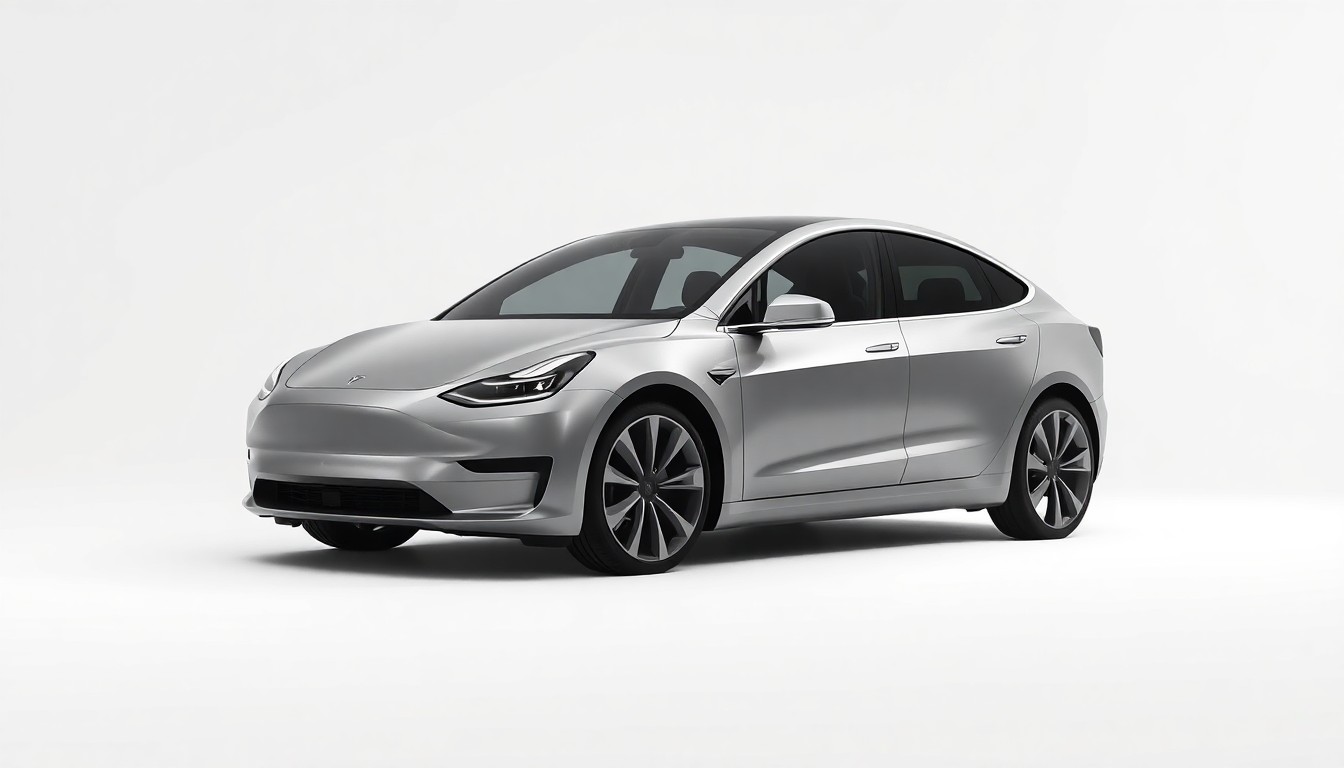 Tesla's vision-focused autonomous driving technology could give its robotaxi service a cost advantage over competitors.San Francisco Today
Tesla's electric vehicle business has struggled in recent years, but Wall Street analysts are optimistic about the company's prospects in the autonomous driving and robotaxi market. Bank of America and Morgan Stanley analysts believe Tesla's camera-only approach to self-driving technology gives it a cost advantage over competitors that use more expensive sensors like lidar. The analysts predict Tesla could account for a significant share of the growing robotaxi market in the coming years, which could help reenergize the company's core automotive business.
Why it matters
Tesla's ability to successfully develop and scale its autonomous driving technology is seen as crucial to the company's long-term success. If Tesla can capitalize on the growing robotaxi market, it could provide a much-needed boost to its struggling electric vehicle sales and profitability.
The details
Bank of America analyst Alexander Perry believes Tesla's vision-only approach to autonomous driving gives it a cost advantage over competitors that use multiple sensors like lidar and radar. Perry thinks Tesla's robotaxi service could expand to dozens of major U.S. cities by the end of 2026, putting it in second place behind Waymo. Morgan Stanley analyst Andrew Percoco also sees Tesla's robotaxi business creating a 'powerful flywheel' that could improve demand for the company's core electric vehicle products by accelerating unsupervised data collection and AI model improvements.
- Tesla currently offers robotaxi rides in Austin and San Francisco.
- Musk believes Tesla's autonomous ridesharing service area will expand to 'dozens of major cities' covering 'a quarter and half of the United States' by the end of 2026.
The players
Tesla
An American electric vehicle and clean energy company that also develops autonomous driving technology.
Bank of America
A multinational investment bank and financial services company that provides coverage and analysis on Tesla.
Morgan Stanley
A global financial services firm that also provides coverage and analysis on Tesla.
Waymo
An autonomous driving technology company that is a subsidiary of Alphabet, Google's parent company.
Uber Technologies
A multinational ride-hailing company that is also developing autonomous driving technology.
What they’re saying
“Tesla's camera-only approach is technically harder but much cheaper and leverages a consumer-fleet data engine. Tesla's strategy should allow it to scale more profitably compared to robotaxi competitors, while the lack of drivers gives it a cost advantage versus rideshare players.”
— Alexander Perry, Analyst
“Tesla's robotaxi business 'has the potential to create a powerful flywheel across Tesla's ecosystem.' He describes a situation in which robotaxi rides accelerate unsupervised data collection, which improves the artificial intelligence (AI) models that power personal FSD features, which improves demand in the core automotive business.”
— Andrew Percoco, Analyst
What’s next
Tesla plans to rapidly expand its robotaxi service to dozens of major U.S. cities by the end of 2026, which could be a key inflection point for the company's autonomous driving ambitions.
The takeaway
Tesla's vision-only approach to autonomous driving technology is seen as a potential competitive advantage that could allow the company to scale its robotaxi business more profitably than rivals. If successful, this could help reenergize Tesla's core electric vehicle business and boost the company's long-term prospects.
San Francisco top stories


San Francisco events
Apr. 11, 2026
Caroline Jones with Alyssa Bonagura
Apr. 11, 2026
San Francisco Ballet presents La Sylphide