- Today
- Holidays
- Birthdays
- Reminders
- Cities
- Atlanta
- Austin
- Baltimore
- Berwyn
- Beverly Hills
- Birmingham
- Boston
- Brooklyn
- Buffalo
- Charlotte
- Chicago
- Cincinnati
- Cleveland
- Columbus
- Dallas
- Denver
- Detroit
- Fort Worth
- Houston
- Indianapolis
- Knoxville
- Las Vegas
- Los Angeles
- Louisville
- Madison
- Memphis
- Miami
- Milwaukee
- Minneapolis
- Nashville
- New Orleans
- New York
- Omaha
- Orlando
- Philadelphia
- Phoenix
- Pittsburgh
- Portland
- Raleigh
- Richmond
- Rutherford
- Sacramento
- Salt Lake City
- San Antonio
- San Diego
- San Francisco
- San Jose
- Seattle
- Tampa
- Tucson
- Washington
Scientists Uncover Potential Cell Rejuvenation Breakthrough
Researchers identify transcription factors that could reverse aging in cells
Apr. 11, 2026 at 9:56pm by Ben Kaplan
Got story updates? Submit your updates here. ›
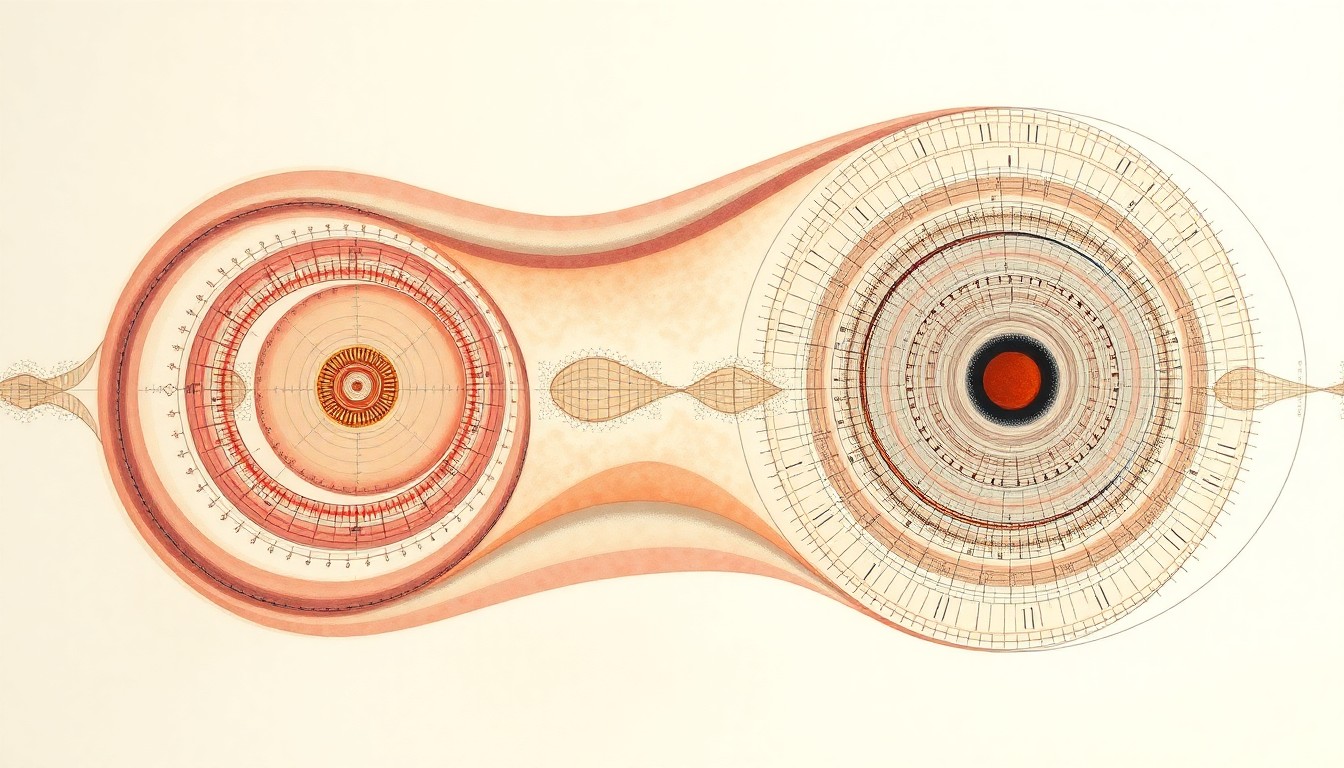 A conceptual illustration of the potential cellular rejuvenation breakthrough, capturing the complex interplay of scientific forces and the promise of a healthier, more vibrant future.San Francisco Today
Scientists have made a groundbreaking discovery that could revolutionize the approach to aging and tissue regeneration. In a study published in PNAS, researchers from the University of California, San Francisco, have identified a potential blueprint for reviving old cells, offering hope for healthier and more vibrant futures. However, the long-term implications and safety concerns around this research remain controversial.
Why it matters
With an aging global population, finding ways to keep our bodies healthier for longer is a priority. This research opens up exciting new opportunities to understand and potentially reverse aging-related diseases, but the risks around excessive cell growth and cancer must be carefully considered.
The details
The study focused on four transcription factors - proteins that control gene activity - which were found to have a rejuvenating effect on cells. By boosting one of these factors in the liver cells of elderly mice, the researchers observed significant improvements, including reduced fat, scarring, and enhanced glucose tolerance. Similar results were seen when experimenting with these factors in lab-grown human fibroblast cells, indicating increased cell division and energy levels. However, one of the transcription factors, EZH2, has been linked to cancer, raising safety concerns about long-term use.
- The study was published in the Proceedings of the National Academy of Sciences (PNAS) in April 2026.
- The experiments in mice only lasted a few weeks, and the long-term effects are still unknown.
The players
University of California, San Francisco
The research institution where the study on cell rejuvenation was conducted.
Proceedings of the National Academy of Sciences (PNAS)
The scientific journal that published the study on cell rejuvenation.
EZH2
A transcription factor that was found to have a rejuvenating effect on cells, but has also been associated with cancer.
What’s next
The researchers plan to continue studying the long-term effects of manipulating these transcription factors, with a focus on balancing the potential benefits and risks, particularly around the link between EZH2 and cancer.
The takeaway
This research represents a promising step towards understanding and potentially reversing the effects of aging, but significant work remains to ensure the safety and long-term viability of such interventions. The implications could be transformative, but must be approached with caution and careful consideration of the ethical and medical implications.
San Francisco top stories



San Francisco events

Apr. 11, 2026
Caroline Jones with Alyssa Bonagura
Apr. 11, 2026
San Francisco Ballet presents La Sylphide