- Today
- Holidays
- Birthdays
- Reminders
- Cities
- Atlanta
- Austin
- Baltimore
- Berwyn
- Beverly Hills
- Birmingham
- Boston
- Brooklyn
- Buffalo
- Charlotte
- Chicago
- Cincinnati
- Cleveland
- Columbus
- Dallas
- Denver
- Detroit
- Fort Worth
- Houston
- Indianapolis
- Knoxville
- Las Vegas
- Los Angeles
- Louisville
- Madison
- Memphis
- Miami
- Milwaukee
- Minneapolis
- Nashville
- New Orleans
- New York
- Omaha
- Orlando
- Philadelphia
- Phoenix
- Pittsburgh
- Portland
- Raleigh
- Richmond
- Rutherford
- Sacramento
- Salt Lake City
- San Antonio
- San Diego
- San Francisco
- San Jose
- Seattle
- Tampa
- Tucson
- Washington
Human Echolocators Reveal Brain's Remarkable Plasticity
Research shows how the brain can adapt to use sound to 'see' the world.
Apr. 11, 2026 at 12:55am by Ben Kaplan
Got story updates? Submit your updates here. ›
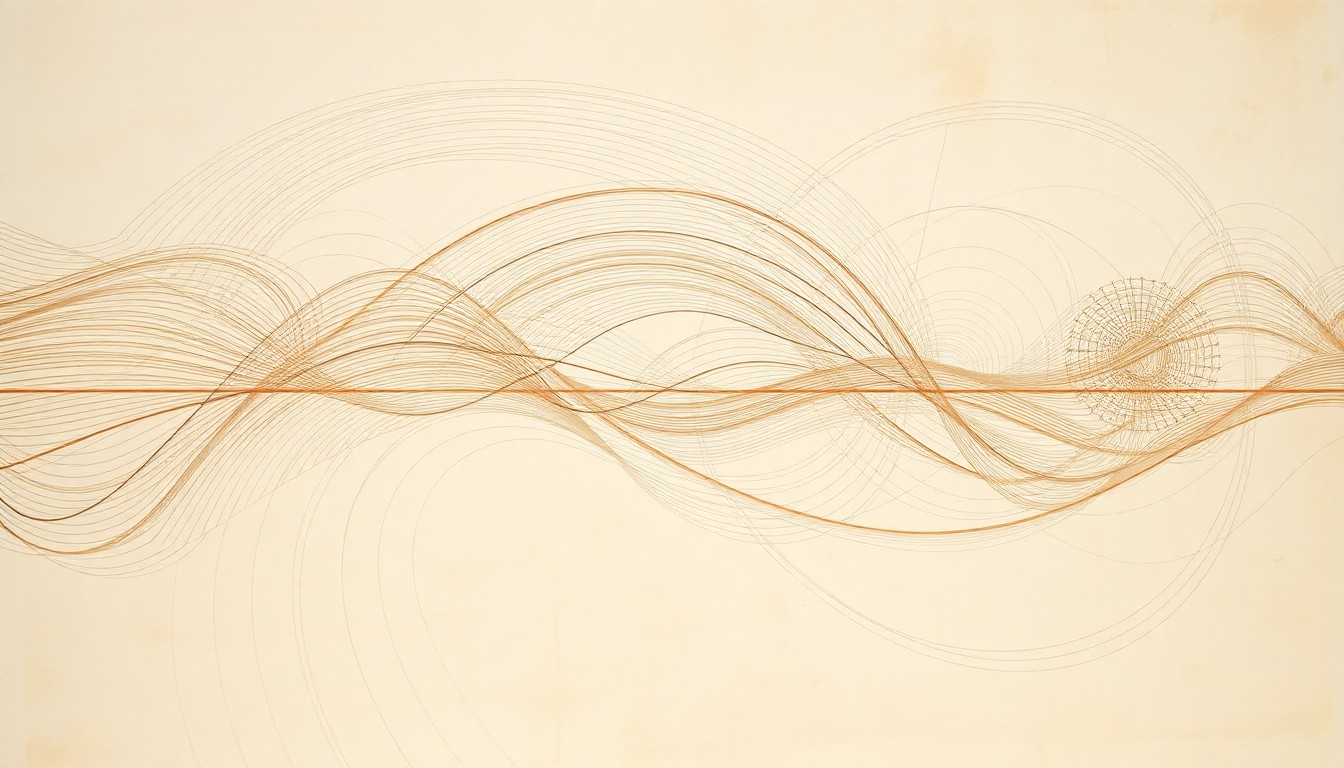 Cutting-edge brain imaging reveals the remarkable neural adaptations that enable humans to 'see' with sound through echolocation.San Francisco Today
New research has found that humans can become remarkably proficient at echolocation, the ability to navigate and perceive the world using sound. The study compared expert human echolocators with sighted individuals, revealing that the human brain can adapt and utilize auditory cues to create a detailed 'sound map' of its surroundings. The findings demonstrate the brain's incredible plasticity, especially in those who were blind from an early age.
Why it matters
This growing understanding of human echolocation opens exciting possibilities for future development, including advanced assistive devices for the visually impaired, structured training programs, and incorporating echolocation into neurorehabilitation programs. It also sheds light on the remarkable potential of the human brain to adapt and rewire itself.
The details
The study, conducted by neuroscientists at the Smith-Kettlewell Eye Research Institute, had participants use clicks - either produced by the mouth or a cane - and interpret the returning echoes to determine the location, size, shape, and even material of objects. Individuals with early-onset blindness exhibited far greater accuracy in echolocation, correctly identifying object locations over 70% of the time, even with minimal clicks. This suggests early blindness may enhance sensitivity to spatial acoustic cues. The research also revealed that the brain doesn't rely on a single echo for perception, but instead builds and refines its understanding of space with each returning sound, leveraging both auditory and visual pathways.
- The study was recently conducted by neuroscientists at the Smith-Kettlewell Eye Research Institute.
The players
Smith-Kettlewell Eye Research Institute
A research institute that focuses on vision science and the development of assistive technologies for the visually impaired.
What’s next
Researchers anticipate the development of more sophisticated assistive devices for the visually impaired, as well as the potential for structured echolocation training programs to benefit not only the blind but also individuals in professions requiring heightened spatial awareness, such as search and rescue teams. Echolocation training could also be incorporated into neurorehabilitation programs for individuals with brain injuries affecting spatial perception.
The takeaway
This research highlights the remarkable plasticity of the human brain, demonstrating its ability to adapt and utilize alternative sensory pathways to perceive and navigate the world. As we continue to unlock the secrets of human echolocation, we're gaining valuable insights into the incredible potential of the human brain.
San Francisco top stories


San Francisco events

Apr. 11, 2026
Caroline Jones with Alyssa Bonagura
Apr. 11, 2026
San Francisco Ballet presents La Sylphide