- Today
- Holidays
- Birthdays
- Reminders
- Cities
- Atlanta
- Austin
- Baltimore
- Berwyn
- Beverly Hills
- Birmingham
- Boston
- Brooklyn
- Buffalo
- Charlotte
- Chicago
- Cincinnati
- Cleveland
- Columbus
- Dallas
- Denver
- Detroit
- Fort Worth
- Houston
- Indianapolis
- Knoxville
- Las Vegas
- Los Angeles
- Louisville
- Madison
- Memphis
- Miami
- Milwaukee
- Minneapolis
- Nashville
- New Orleans
- New York
- Omaha
- Orlando
- Philadelphia
- Phoenix
- Pittsburgh
- Portland
- Raleigh
- Richmond
- Rutherford
- Sacramento
- Salt Lake City
- San Antonio
- San Diego
- San Francisco
- San Jose
- Seattle
- Tampa
- Tucson
- Washington
Ageing Lungs Linked to Severe COVID and Flu in Older Adults
UCSF study uncovers how lung fibroblasts drive chronic inflammation, increasing vulnerability in seniors
Apr. 10, 2026 at 2:55am by Ben Kaplan
Got story updates? Submit your updates here. ›
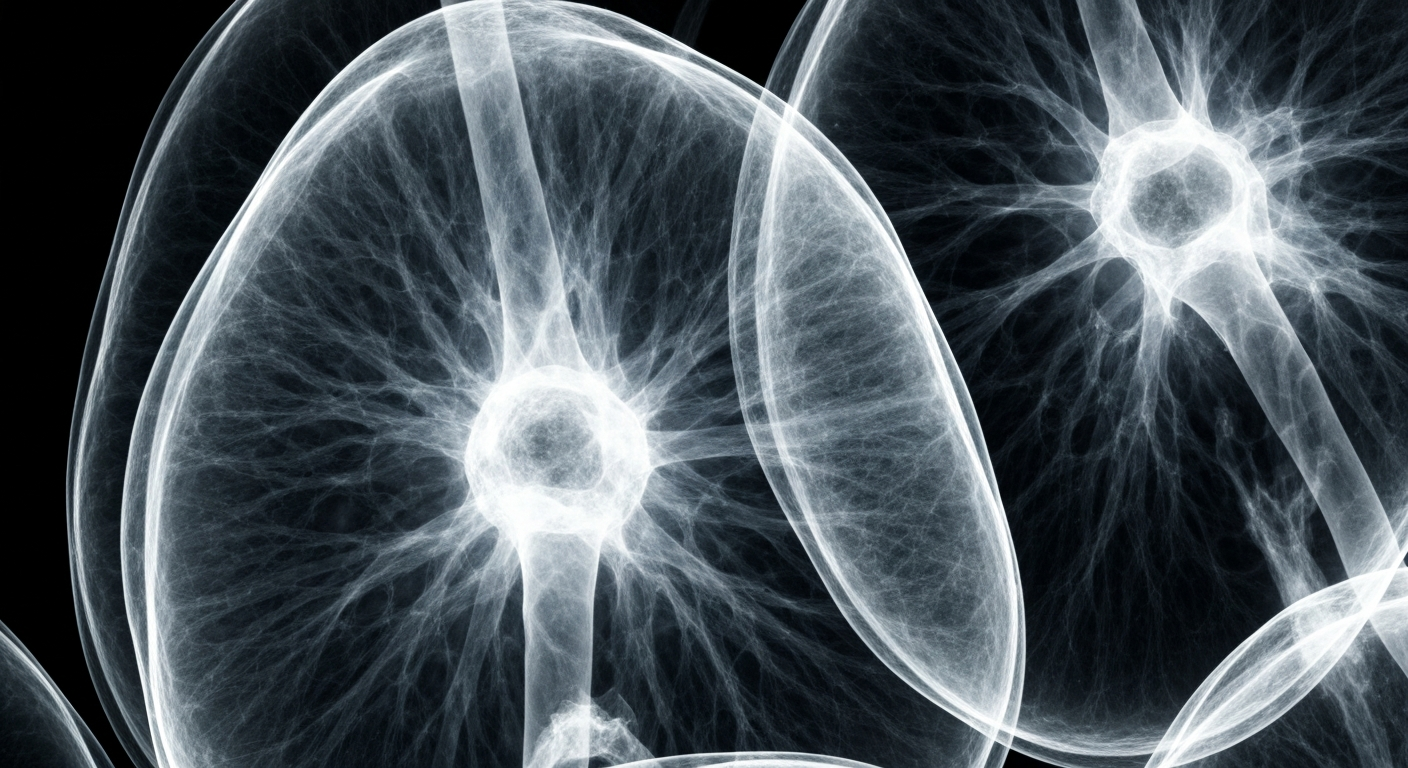 Cutting-edge research uncovers the hidden role of aging lung cells in driving severe COVID-19 and flu outcomes for older adults.San Francisco Today
A new study from the University of California, San Francisco has uncovered a potential explanation for why older adults face greater risks from COVID-19 and influenza. The research reveals that ageing lung cells, specifically lung fibroblasts, may be the hidden drivers behind the excessive immune responses that lead to severe illness in seniors. By manipulating fibroblasts in young mice to mimic age-related distress signals, the researchers were able to observe the resulting inflammation and lung damage, similar to what is seen in older COVID-19 patients.
Why it matters
This discovery has significant implications for understanding and potentially treating age-related vulnerabilities to respiratory illnesses. By identifying lung fibroblasts and the GZMK immune cells they attract as key contributors to 'inflammaging', the researchers have uncovered a promising target for new interventions that could help protect older adults from the worst effects of COVID-19, flu, and other lung diseases.
The details
The experiment involved genetically manipulating fibroblasts in young mice to mimic the distress signals of ageing lung cells. This caused the young lungs to trigger an immune response, attracting GZMK immune cells that, while ineffective at fighting disease, can actually cause harm to lung tissue. When the researchers removed the GZMK cells, the young lungs were able to withstand the infection, leading them to conclude that the ageing lung tissue itself is the primary instigator of harmful inflammation.
- The study was conducted by researchers at the University of California, San Francisco in 2026.
The players
University of California, San Francisco
A leading public research university located in San Francisco, California, known for its excellence in health sciences and medical research.
Tien Peng, MD
A professor at the University of California, San Francisco who specializes in lung diseases and highlighted the potential for new interventions based on the study's findings.
What they’re saying
“By understanding the interplay between lung fibroblasts and immune cells, we might be able to disrupt the cycle of inflammaging before it causes severe damage.”
— Tien Peng, Professor, University of California, San Francisco
What’s next
The study also examined lung tissue from older patients with severe COVID-related respiratory distress, finding similar clusters of inflamed cells. This correlation between laboratory findings and real-world clinical observations is a crucial next step, as it validates the research and points to potential therapeutic targets.
The takeaway
This research opens up exciting possibilities for better understanding and managing age-related vulnerabilities to respiratory illnesses like COVID-19 and influenza. By identifying lung fibroblasts and the GZMK immune cells they attract as key drivers of harmful inflammation, the study suggests new interventions that could help protect older adults from the worst effects of these diseases.