- Today
- Holidays
- Birthdays
- Reminders
- Cities
- Atlanta
- Austin
- Baltimore
- Berwyn
- Beverly Hills
- Birmingham
- Boston
- Brooklyn
- Buffalo
- Charlotte
- Chicago
- Cincinnati
- Cleveland
- Columbus
- Dallas
- Denver
- Detroit
- Fort Worth
- Houston
- Indianapolis
- Knoxville
- Las Vegas
- Los Angeles
- Louisville
- Madison
- Memphis
- Miami
- Milwaukee
- Minneapolis
- Nashville
- New Orleans
- New York
- Omaha
- Orlando
- Philadelphia
- Phoenix
- Pittsburgh
- Portland
- Raleigh
- Richmond
- Rutherford
- Sacramento
- Salt Lake City
- San Antonio
- San Diego
- San Francisco
- San Jose
- Seattle
- Tampa
- Tucson
- Washington
The Backlash Machine: How Media, Memory, and Misconduct Tales Collide in a Viral Clip
What happens when a single story—told on a popular platform with a veneer of candor—collides with the long shadow of safeguarding, consent, and accountability?
Apr. 10, 2026 at 3:06am by Ben Kaplan
Got story updates? Submit your updates here. ›
 The backlash machine exposes the tension between the public's appetite for raw celebrity confessions and the media's responsibility to protect the vulnerable.San Francisco Today
In a matter of days, a routine Vanity Fair interview snippet becomes fuel for a chorus of outrage, fascination, and uneasy reflection about how we talk about harmful acts, especially when a young subject is involved. What you're witnessing isn't just a misstep in taste; it's a public experiment in moral scoring, memory, and the speed of digital memory.
Why it matters
The core tension isn't simply 'was it harmful?' but 'how do we responsibly navigate comedic self-disclosure when it touches real people, especially children?' The essential question isn't whether the anecdote crossed a line, but how we calibrate accountability, context, and memory in a world where footage never fully expires.
The details
The incident centers on a six-year-old, an age where consent and boundaries are non-negotiable in policy and in common decency. The public discourse sometimes treats such disclosures as humorous anecdotes rather than warnings about power dynamics. What many people don't realize is how intent matters less than impact when harm involves a child.
The takeaway
The core takeaway isn't merely about one performer's anecdote, but about how a culture negotiates truth, humor, and harm in real time. What this really suggests is that we're at a tipping point: audiences want raw, human storytelling, but they also demand safeguards for the vulnerable. We can honor candor without abandoning responsibility. If we invest in clearer ethical guidelines, more transparent editorial choices, and stronger accountability mechanisms, we can keep the friction that makes art compelling while ensuring it doesn't cross lines that shouldn't be crossed.
San Francisco top stories



San Francisco events
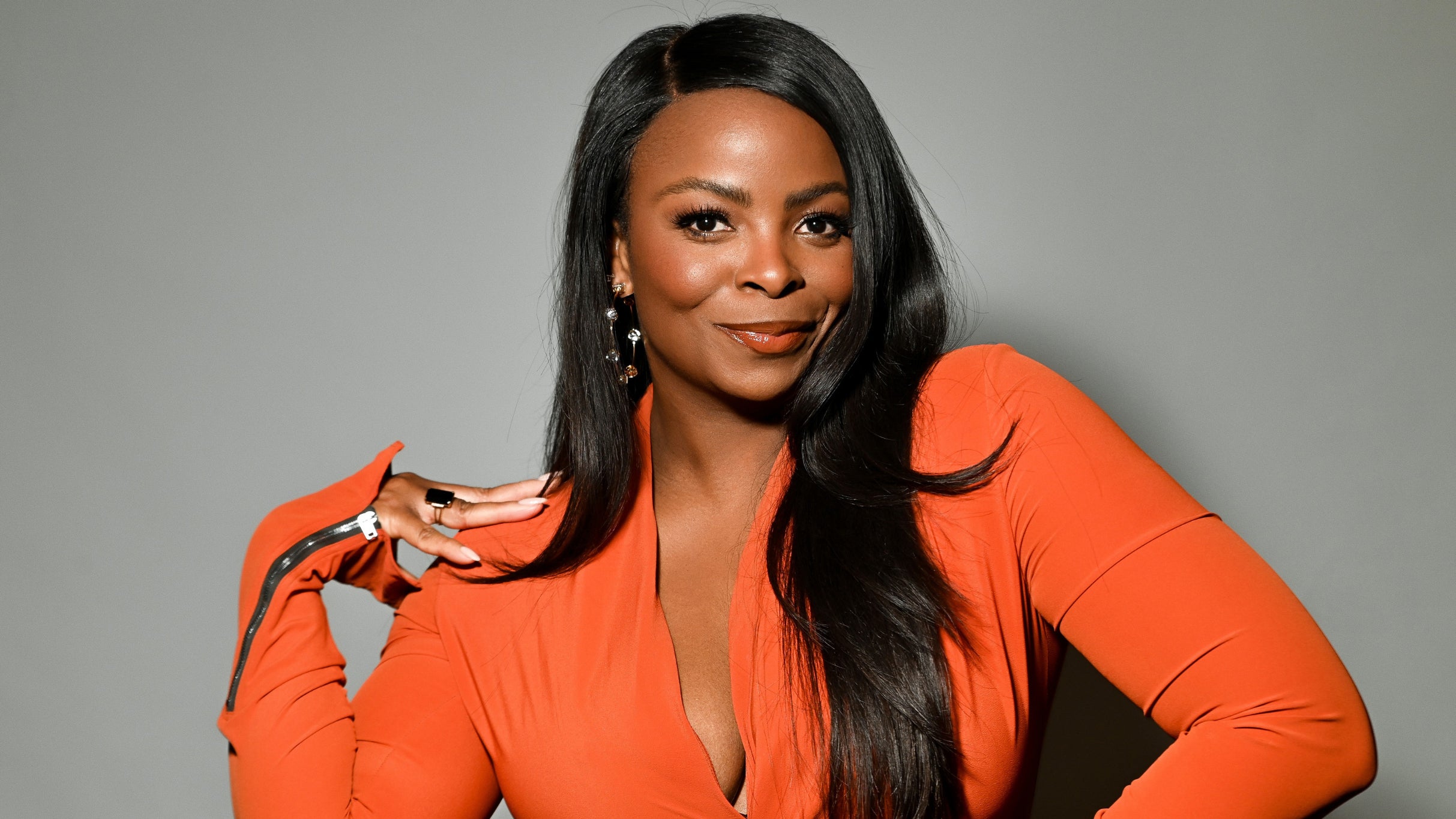
Apr. 14, 2026
Janelle James
Apr. 14, 2026
Joe Klocek & Friends
Apr. 14, 2026
San Francisco Ballet presents La Sylphide