- Today
- Holidays
- Birthdays
- Reminders
- Cities
- Atlanta
- Austin
- Baltimore
- Berwyn
- Beverly Hills
- Birmingham
- Boston
- Brooklyn
- Buffalo
- Charlotte
- Chicago
- Cincinnati
- Cleveland
- Columbus
- Dallas
- Denver
- Detroit
- Fort Worth
- Houston
- Indianapolis
- Knoxville
- Las Vegas
- Los Angeles
- Louisville
- Madison
- Memphis
- Miami
- Milwaukee
- Minneapolis
- Nashville
- New Orleans
- New York
- Omaha
- Orlando
- Philadelphia
- Phoenix
- Pittsburgh
- Portland
- Raleigh
- Richmond
- Rutherford
- Sacramento
- Salt Lake City
- San Antonio
- San Diego
- San Francisco
- San Jose
- Seattle
- Tampa
- Tucson
- Washington
Shocking Study: Microplastics Inhalation Equals Plastic Bottle Consumption
Air pollution study finds city dwellers inhale concerning amounts of microplastics, posing health risks.
Apr. 10, 2026 at 7:45am by Ben Kaplan
Got story updates? Submit your updates here. ›
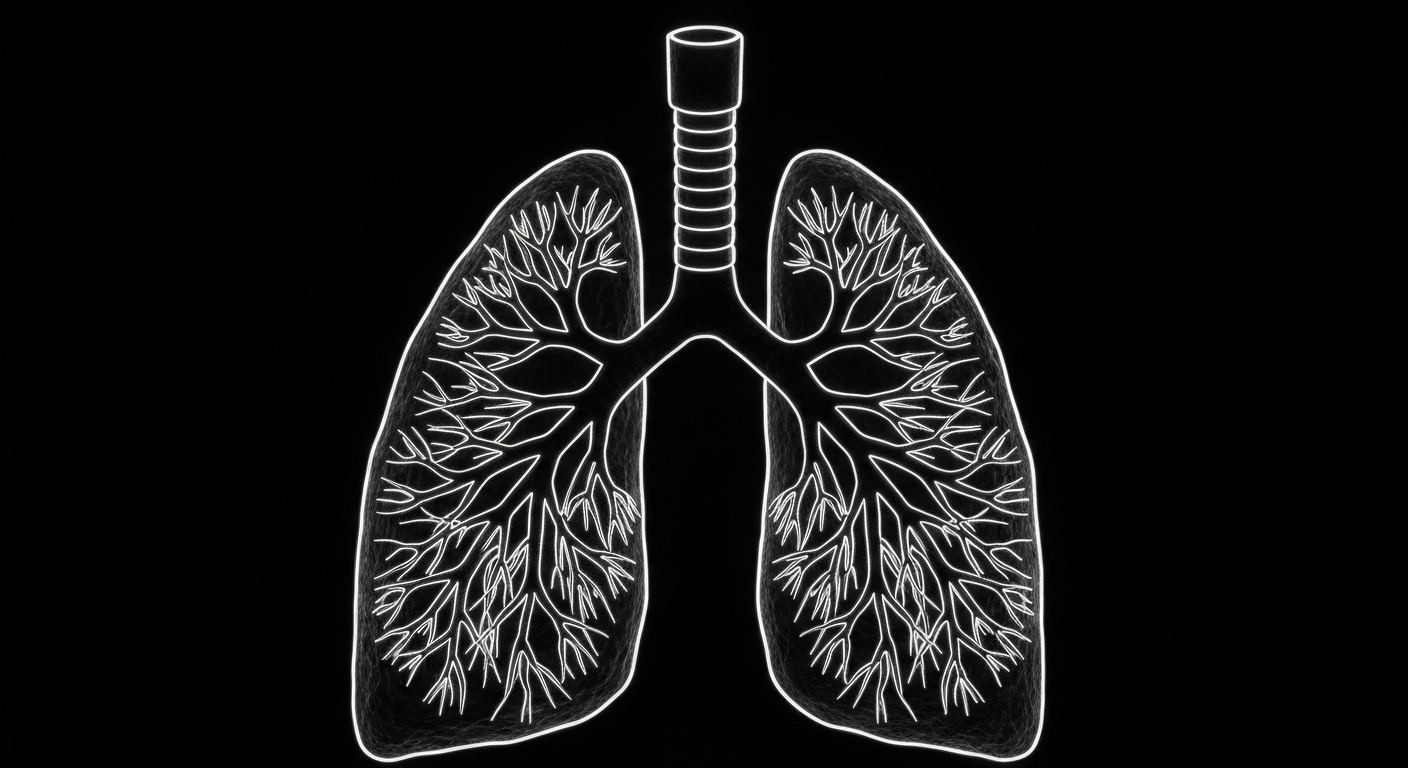 Microplastics in the air pose a serious health threat, as these tiny particles can penetrate deep into our lungs and bloodstream.San Francisco Today
A recent study has revealed that city residents are unknowingly inhaling the equivalent of a plastic bottle's worth of microplastics over their lifetime. These tiny plastic particles, measuring less than 10 micrometres, now account for up to 5% of PM10 and PM2.5 air pollution in some major Indian cities. The study found these microplastics can act as 'Trojan horses', carrying harmful substances like pathogens, contaminants, and toxic additives deep into people's lungs and bloodstreams.
Why it matters
Microplastics in the air pose a significant public health concern, as they can contribute to respiratory issues, hormonal imbalances, and even cancer. Unlike ordinary dust, these lightweight particles remain suspended for long periods, allowing them to travel widely and be inhaled by people. Addressing this issue is crucial for improving urban air quality and protecting citizens' wellbeing.
The details
Researchers used advanced sequencing techniques to identify bacteria and fungi, such as Aspergillus fumigatus and Candida, that can cause respiratory problems when carried by the microplastics. They also detected the presence of chemical additives like lead and diethyl phthalate (DEP) in air samples, exceeding safety limits. Lead is linked to respiratory diseases and cancer, while DEP is associated with endocrine disruption and reproductive toxicity.
- The study was conducted in 2026 across major Indian cities.
The players
Researchers
A team of environmental scientists and public health experts who conducted the study on microplastics in urban air.
What they’re saying
“These tiny particles don't just float harmlessly in the air. They act as carriers, or 'Trojan horses', for a range of harmful substances, including pathogens and contaminants.”
— Researcher
What’s next
Experts suggest that further research and public awareness campaigns are needed to address the growing issue of microplastics in urban air. Policymakers may also need to consider regulations to limit the sources of these pollutants.
The takeaway
This study highlights the hidden dangers of microplastics in our environment and the need for a comprehensive approach to tackle air pollution and protect public health in cities.