- Today
- Holidays
- Birthdays
- Reminders
- Cities
- Atlanta
- Austin
- Baltimore
- Berwyn
- Beverly Hills
- Birmingham
- Boston
- Brooklyn
- Buffalo
- Charlotte
- Chicago
- Cincinnati
- Cleveland
- Columbus
- Dallas
- Denver
- Detroit
- Fort Worth
- Houston
- Indianapolis
- Knoxville
- Las Vegas
- Los Angeles
- Louisville
- Madison
- Memphis
- Miami
- Milwaukee
- Minneapolis
- Nashville
- New Orleans
- New York
- Omaha
- Orlando
- Philadelphia
- Phoenix
- Pittsburgh
- Portland
- Raleigh
- Richmond
- Rutherford
- Sacramento
- Salt Lake City
- San Antonio
- San Diego
- San Francisco
- San Jose
- Seattle
- Tampa
- Tucson
- Washington
Experts Warn 50,000 Space Mirrors Could Disrupt Earth's Sleep Cycles
Proposed plan to redirect sunlight raises concerns about impact on ecosystems and human health
Apr. 10, 2026 at 3:06am by Ben Kaplan
Got story updates? Submit your updates here. ›
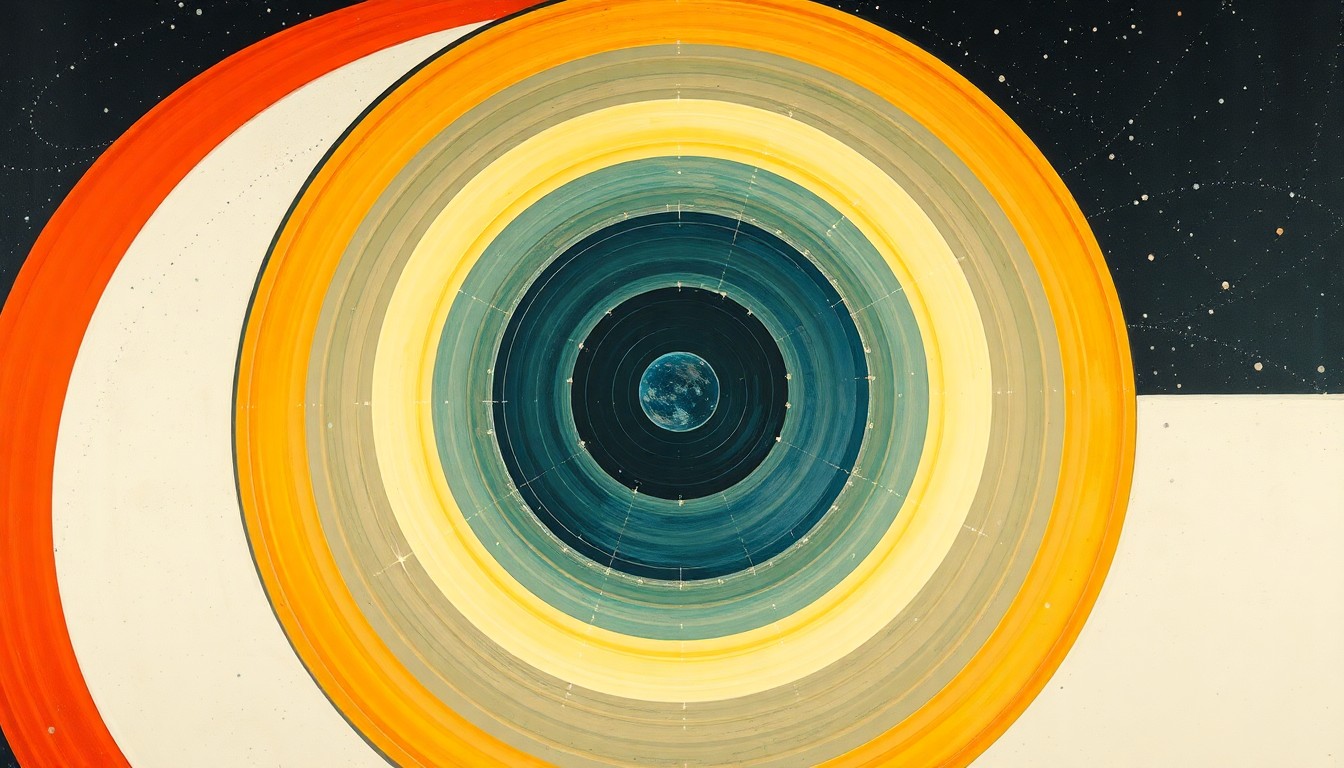 The ambitious plan to redirect sunlight with thousands of orbital mirrors raises concerns about the potential disruption to natural light cycles and ecosystems.San Francisco Today
A bold plan to install 50,000 mirrors in space to redirect sunlight and illuminate the night sky has raised serious concerns among scientists. Experts warn that the scale of the project could significantly change the natural night-time light environment, potentially disrupting sleep cycles and circadian rhythms across the planet. The proposal, put forward by a California startup, also raises fears about the impact on ecosystems, as the increased light could disrupt the navigation and migration of various species.
Why it matters
The disruption of natural light cycles could have far-reaching consequences for both human and animal health. Our biological clocks are highly sensitive to light levels, and even small changes in night-time brightness can impact sleep, hormone levels, and overall well-being. Additionally, the potential for the project to disrupt ecosystems is a major concern, as many species rely on the natural rhythms of day and night for navigation, feeding, and other essential behaviors.
The details
The proposal, put forward by a startup called Reflect Orbital, aims to redirect sunlight to the planet's night side, potentially powering solar farms and providing light for rescue workers. However, the scale of the project is massive, with the potential to alter the natural night-time light environment at a planetary level. According to a letter signed by leaders of several scientific societies, the proposed scale of orbital deployment would significantly change the natural night-time light environment, which could disrupt sleep and circadian rhythms. This is a serious concern, as our biological clocks are sensitive to light levels far below what humans typically perceive as bright.
- The proposal was put forward by Reflect Orbital in early 2026.
- A letter signed by scientific leaders was released in April 2026, warning of the potential consequences of the project.
The players
Reflect Orbital
A California startup that has proposed the plan to install 50,000 mirrors in space to redirect sunlight and illuminate the night sky.
Tami Martino
A biomedical science professor and president of the Canadian Society of Chronobiology, who has expressed concerns about the potential impact of the project on circadian rhythms and ecosystems.
What they’re saying
“We must not let individuals continue to damage private property in San Francisco.”
— Robert Jenkins, San Francisco resident
“Fifty years is such an accomplishment in San Francisco, especially with the way the city has changed over the years.”
— Gordon Edgar, grocery employee
What’s next
The judge in the case will decide on Tuesday whether or not to allow Walker Reed Quinn out on bail.
The takeaway
This case highlights growing concerns in the community about repeat offenders released on bail, raising questions about bail reform, public safety on SF streets, and if any special laws to govern autonomous vehicles in residential and commercial areas.