- Today
- Holidays
- Birthdays
- Reminders
- Cities
- Atlanta
- Austin
- Baltimore
- Berwyn
- Beverly Hills
- Birmingham
- Boston
- Brooklyn
- Buffalo
- Charlotte
- Chicago
- Cincinnati
- Cleveland
- Columbus
- Dallas
- Denver
- Detroit
- Fort Worth
- Houston
- Indianapolis
- Knoxville
- Las Vegas
- Los Angeles
- Louisville
- Madison
- Memphis
- Miami
- Milwaukee
- Minneapolis
- Nashville
- New Orleans
- New York
- Omaha
- Orlando
- Philadelphia
- Phoenix
- Pittsburgh
- Portland
- Raleigh
- Richmond
- Rutherford
- Sacramento
- Salt Lake City
- San Antonio
- San Diego
- San Francisco
- San Jose
- Seattle
- Tampa
- Tucson
- Washington
FDA Approves Leucovorin for Rare Brain Condition, Not Autism
The decision clarifies the drug's limited use, despite political claims of broader benefits
Apr. 10, 2026 at 3:08am by Ben Kaplan
Got story updates? Submit your updates here. ›
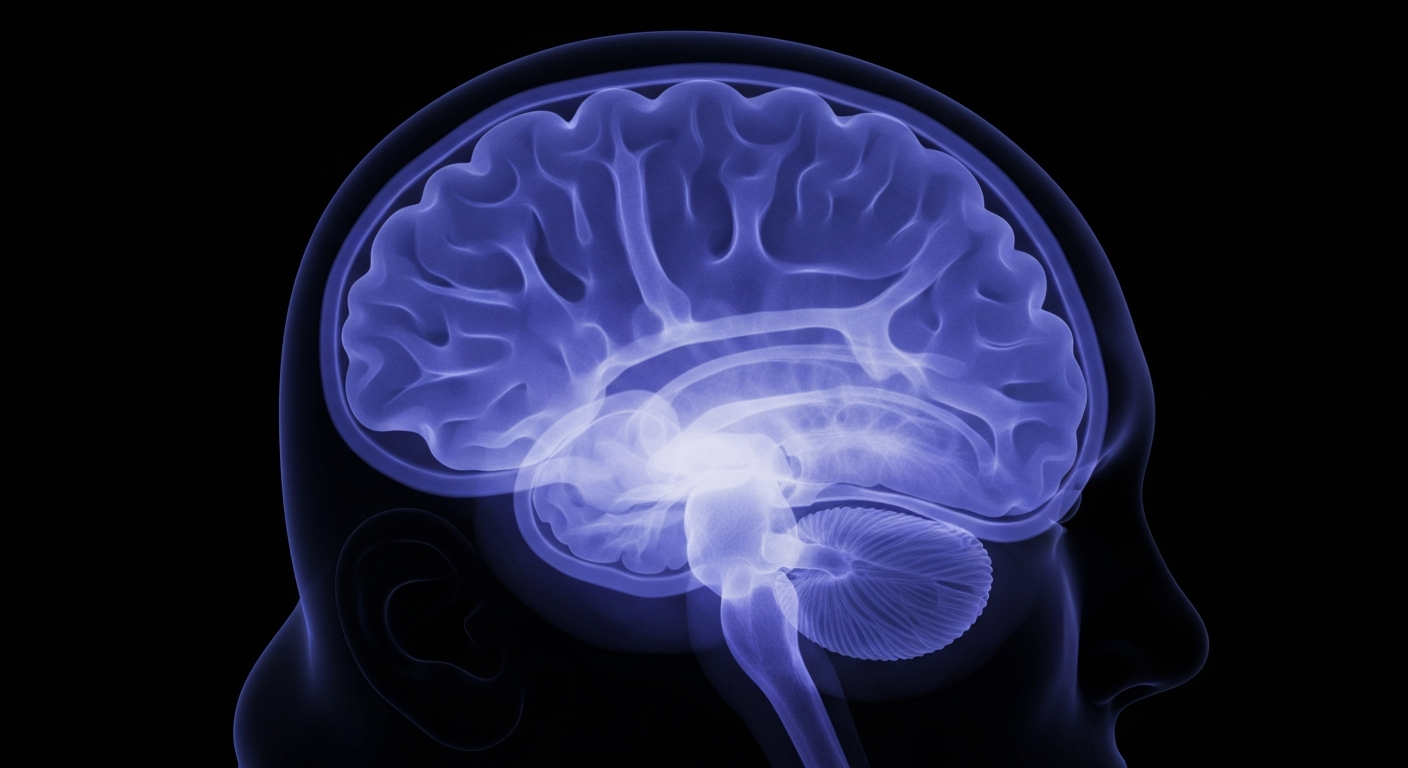 An X-ray image of the human brain illuminates the complex biological mechanisms behind rare neurological conditions, underscoring the need for careful, evidence-based medical discourse.San Francisco Today
The FDA has approved the drug leucovorin for the treatment of cerebral folate deficiency, a rare brain condition affecting about 1 in a million people. However, the agency has not approved the drug for the treatment of autism, despite previous political claims suggesting it could benefit many children with autism-like symptoms.
Why it matters
The FDA's decision highlights the importance of aligning medical rhetoric with scientific evidence. While leucovorin's approved use for cerebral folate deficiency is significant, the lack of data supporting its efficacy for autism means families and clinicians must be cautious about off-label prescriptions and unproven treatment claims.
The details
Leucovorin, a vitamin B9 derivative, has long been used to bolster cancer chemotherapy. Recently, there were political suggestions that the drug could also benefit children with autism-like symptoms. However, the FDA's approval is specifically for cerebral folate deficiency, a rare metabolic condition where brain folate levels are abnormally low. Symptoms of this deficiency can resemble autism, but the FDA has stated there is insufficient evidence to claim broader autism treatment effects.
- In September 2025, the Trump administration and FDA Commissioner Mkary framed leucovorin as potentially beneficial for autism symptoms.
- The FDA has now approved leucovorin's use for cerebral folate deficiency in April 2026.
The players
FDA
The U.S. Food and Drug Administration, the federal agency responsible for regulating and supervising the safety of food, drugs, and other products.
Trump administration
The former presidential administration of Donald Trump, which made claims about leucovorin's potential benefits for autism.
FDA Commissioner Mkary
The former commissioner of the FDA who also suggested leucovorin could help with autism-like symptoms.
What they’re saying
“We must be cautious about making broad claims when the data is still limited. Regulatory bodies have a responsibility to communicate the nuances of the science.”
— Velia Krajcik, Health policy analyst
What’s next
The judge in the case will decide on Tuesday whether or not to allow Walker Reed Quinn out on bail.
The takeaway
This case highlights the importance of aligning medical rhetoric with scientific evidence. While leucovorin's approved use for a rare brain condition is significant, the lack of data supporting its efficacy for autism means families and clinicians must be cautious about off-label prescriptions and unproven treatment claims.