- Today
- Holidays
- Birthdays
- Reminders
- Cities
- Atlanta
- Austin
- Baltimore
- Berwyn
- Beverly Hills
- Birmingham
- Boston
- Brooklyn
- Buffalo
- Charlotte
- Chicago
- Cincinnati
- Cleveland
- Columbus
- Dallas
- Denver
- Detroit
- Fort Worth
- Houston
- Indianapolis
- Knoxville
- Las Vegas
- Los Angeles
- Louisville
- Madison
- Memphis
- Miami
- Milwaukee
- Minneapolis
- Nashville
- New Orleans
- New York
- Omaha
- Orlando
- Philadelphia
- Phoenix
- Pittsburgh
- Portland
- Raleigh
- Richmond
- Rutherford
- Sacramento
- Salt Lake City
- San Antonio
- San Diego
- San Francisco
- San Jose
- Seattle
- Tampa
- Tucson
- Washington
San Francisco's Sunday Streets Secures Partial Funding for 2026 Events
Nonprofit organizer Livable City raises $100,000 to host three neighborhood festivals, but future seasons remain uncertain.
Apr. 2, 2026 at 10:49pm by Ben Kaplan
Got story updates? Submit your updates here. ›
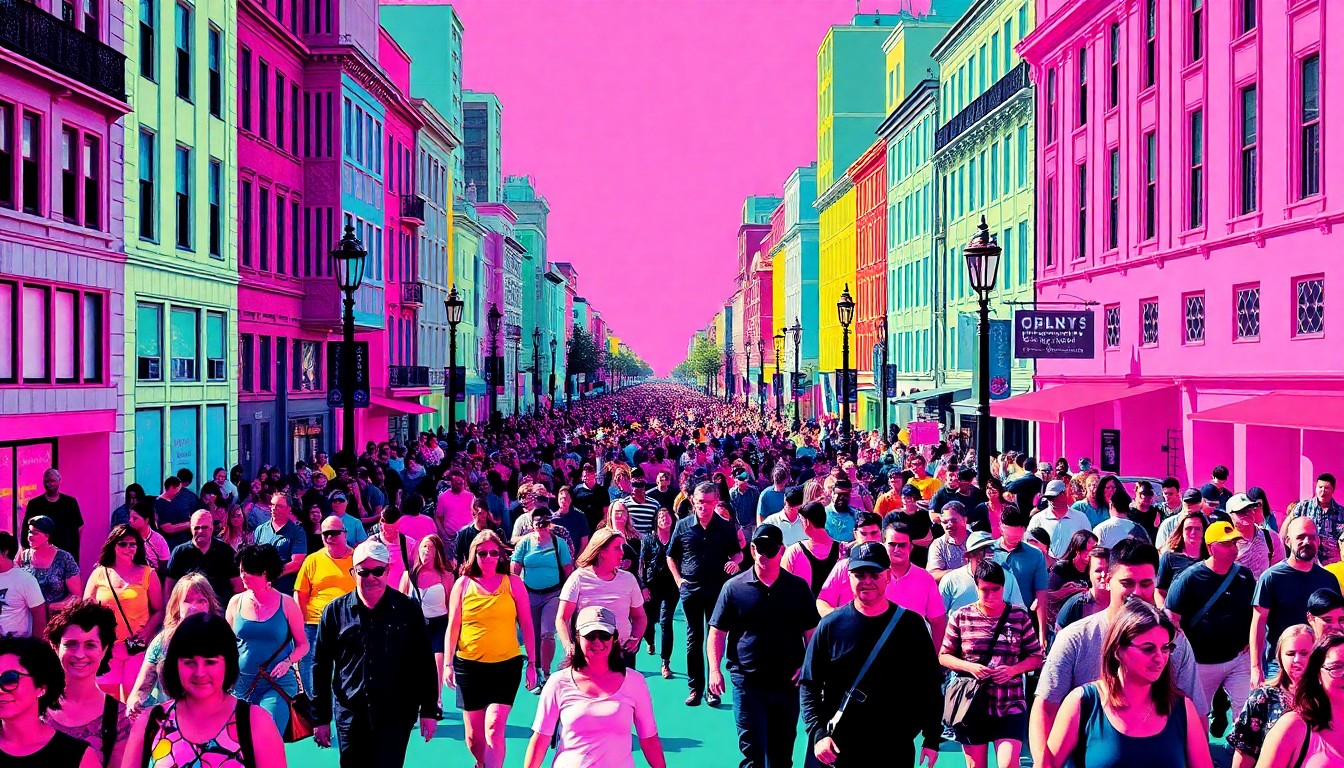 The return of Sunday Streets festivals will bring a joyful, community-driven celebration back to San Francisco neighborhoods after a period of uncertainty.San Francisco Today
After facing the threat of citywide cancellation, the nonprofit behind San Francisco's popular Sunday Streets program has secured partial funding to host a half-season of events in 2026. Livable City raised $100,000 from private donors to organize festivals in the Tenderloin, Bayview, and Excelsior neighborhoods, but the fate of future seasons remains uncertain due to the loss of $215,758 in city funding.
Why it matters
Sunday Streets has become an integral part of San Francisco's community life, providing free, family-friendly events that promote physical activity, local businesses, and neighborhood pride across the city. The loss of city funding puts the long-term future of the program in jeopardy, raising concerns about equitable access to public spaces and events, especially in underserved areas.
The details
Livable City, the nonprofit that organizes Sunday Streets, was able to raise $100,000 through a $50,000 donation and matching funds, allowing them to host three events in 2026. However, the organization is still seeking additional sponsors to replace the $215,758 in lost city funding and secure the program's long-term viability. The uncertainty has also caused delays in securing permits and launching marketing campaigns with the San Francisco Municipal Transportation Agency, the primary city sponsor.
- Livable City raised $100,000 in private donations to host three Sunday Streets events in 2026.
- The organization is still seeking additional sponsors to replace the $215,758 in lost city funding and secure the program's long-term future.
- Livable City is waiting for the San Francisco Municipal Transportation Agency to renew its memo, which is causing delays in permits and marketing.
The players
Livable City
The nonprofit organization that puts on the Sunday Streets events in San Francisco.
Sally Chen
The deputy director for Livable City.
Patricia Barraza
The director of community partnerships for Livable City.
Daniel Lurie
The mayor of San Francisco.
Dontaye Ball
The owner of Gumbo Social, a restaurant in the Bayview neighborhood.
What they’re saying
“It's kind of belittling because during the pandemic, we were the organization that was asked to do a lot of the very first street activations.”
— Patricia Barraza, director of community partnerships for Livable City
“The focus on downtown seems very limiting.”
— Sally Chen, deputy director for Livable City
“To have this stark difference between the amount of money that's getting poured into just one neighborhood or just one set of neighborhoods versus the rest of the city is, frankly, inequitable.”
— Sally Chen, deputy director for Livable City
“It's hard to be happy and disappointed at the same time.”
— Dontaye Ball, owner of Gumbo Social
“When else would I have the opportunity, even for one day, to highlight the community, to promote the Third Street corridor, the 94124?”
— Dontaye Ball, owner of Gumbo Social
What’s next
Livable City is waiting for the San Francisco Municipal Transportation Agency to renew its memo, which is a formal but non-binding agreement between the two groups. This renewal is necessary for Livable City to secure permits and launch marketing campaigns for the 2026 Sunday Streets events.
The takeaway
The partial funding secured by Livable City for the 2026 Sunday Streets events highlights the importance of these community-driven festivals in San Francisco, but also raises concerns about the long-term sustainability of the program due to the loss of city support. Ensuring equitable access to public spaces and events across all neighborhoods will be a key challenge going forward.
San Francisco top stories



San Francisco events
Apr. 2, 2026
San Francisco Giants vs. New York Mets
Apr. 2, 2026
MJ (Touring)
Apr. 2, 2026
Golden State Warriors vs. Cleveland Cavaliers