- Today
- Holidays
- Birthdays
- Reminders
- Cities
- Atlanta
- Austin
- Baltimore
- Berwyn
- Beverly Hills
- Birmingham
- Boston
- Brooklyn
- Buffalo
- Charlotte
- Chicago
- Cincinnati
- Cleveland
- Columbus
- Dallas
- Denver
- Detroit
- Fort Worth
- Houston
- Indianapolis
- Knoxville
- Las Vegas
- Los Angeles
- Louisville
- Madison
- Memphis
- Miami
- Milwaukee
- Minneapolis
- Nashville
- New Orleans
- New York
- Omaha
- Orlando
- Philadelphia
- Phoenix
- Pittsburgh
- Portland
- Raleigh
- Richmond
- Rutherford
- Sacramento
- Salt Lake City
- San Antonio
- San Diego
- San Francisco
- San Jose
- Seattle
- Tampa
- Tucson
- Washington
Scientists Engineer Cancer-Fighting Cells In-Body
New method could make CAR-T cell therapy more accessible and affordable
Mar. 19, 2026 at 3:10am by Ben Kaplan
Got story updates? Submit your updates here. ›
Researchers at UC San Francisco have developed a method to precisely reprogram cancer-fighting CAR-T cells directly inside the body, potentially eliminating the manufacturing process, cost, and waiting time that has kept this life-saving therapy out of reach for many patients. In experiments using mice, the researchers used a dual-particle system to deliver CRISPR gene-editing tools to T cells, allowing them to insert new DNA encoding cancer-fighting chimeric antigen receptors (CARs) at a specific location. This approach successfully treated aggressive leukemia, multiple myeloma, and even a solid tumor in the mice.
Why it matters
CAR-T cell therapy has revolutionized cancer treatment, but the elaborate manufacturing process required has made it inaccessible and unaffordable for many patients. This new in-body reprogramming method could dramatically reduce costs, eliminate waiting times, and potentially allow more hospitals to offer these life-saving therapies, democratizing access.
The details
The researchers used a dual-particle system to deliver CRISPR gene-editing tools directly to T cells circulating in the body. One particle was coated with antibodies to target T cells, while the other carried the new DNA encoding cancer-fighting CARs and instructions to insert it at a specific location in the T cell genome. This targeted approach outperformed the standard method of randomly integrating DNA using viruses. In experiments on mice with aggressive leukemia, the in-body engineered CAR-T cells cleared all detectable cancer in nearly all the mice within two weeks.
- The research was published on March 18, 2026.
The players
UC San Francisco
A public research university in San Francisco, California, known for its excellence in health sciences.
Justin Eyquem
An associate professor of medicine at UCSF and the senior author of the new paper.
William Nyberg
A UCSF postdoctoral fellow and co-first author of the study.
Pierre-Louis Bernard
A UCSF postdoctoral fellow and co-first author of the study.
Azalea Therapeutics
A company founded by Eyquem and his collaborators to advance the dual-particle platform through clinical development.
What they’re saying
“I think this is just the beginning of a big wave of new therapies that will be truly transformational and save a lot of lives. I'm incredibly excited to be part of it.”
— Justin Eyquem, Associate Professor of Medicine, UCSF
“If we can translate this to humans, we could dramatically reduce costs, eliminate waiting times, and potentially allow community hospitals — not just major cancer centers — to offer these life-saving therapies. That would truly democratize access to CAR-T cell therapy.”
— Justin Eyquem, Associate Professor of Medicine, UCSF
What’s next
The technology still must be scaled up for use in humans, and clinical trials will be needed to assess safety and efficacy.
The takeaway
This new in-body method for engineering cancer-fighting CAR-T cells has the potential to make this revolutionary therapy more accessible and affordable, democratizing access to a life-saving treatment that has previously been out of reach for many patients.
San Francisco top stories



San Francisco events

Apr. 9, 2026
Golden State Warriors vs. Los Angeles Lakers
Apr. 9, 2026
Clement St Comedy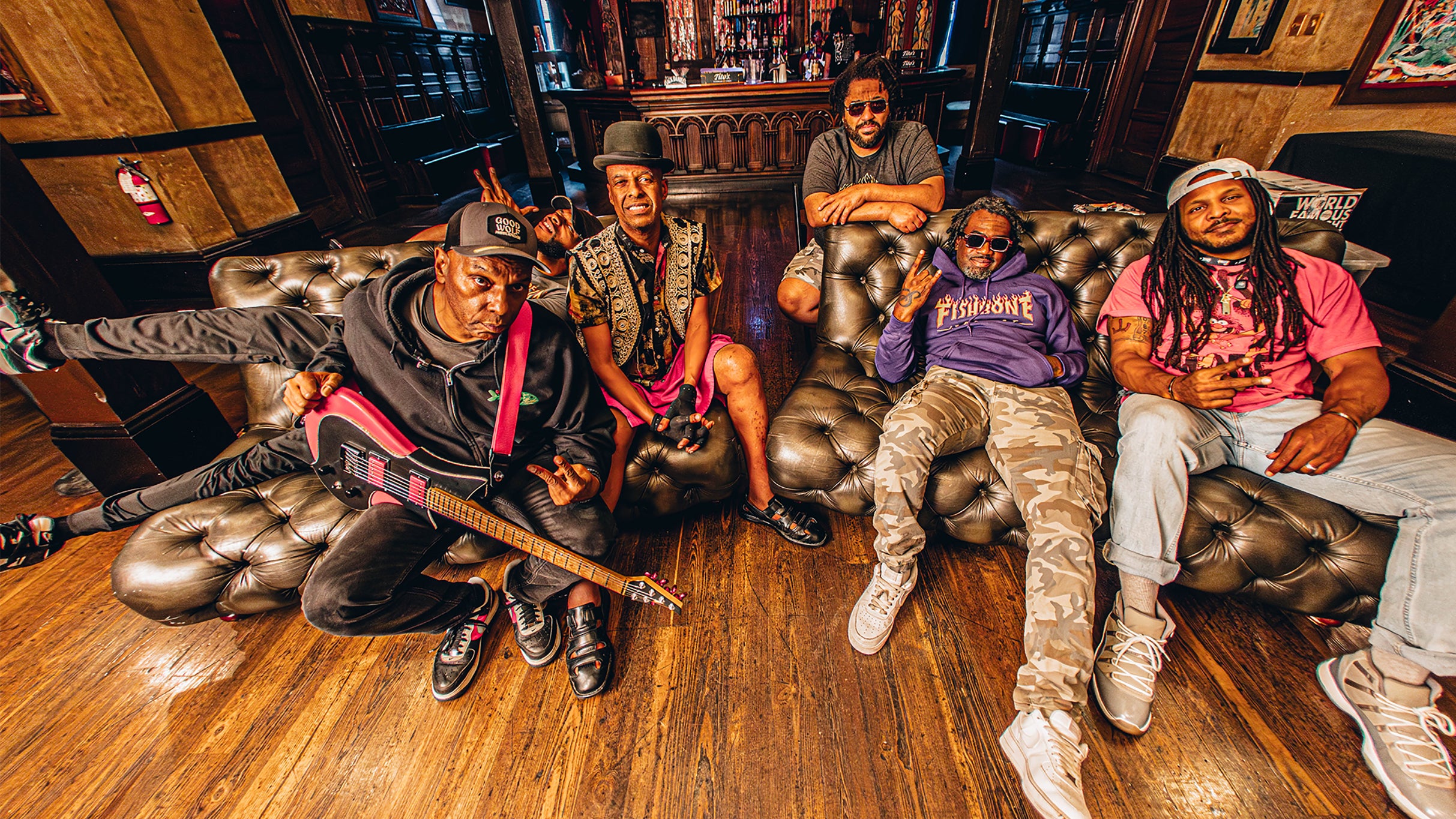
Apr. 9, 2026
Fishbone - In Your Face 40th Anniversary Tour