- Today
- Holidays
- Birthdays
- Reminders
- Cities
- Atlanta
- Austin
- Baltimore
- Berwyn
- Beverly Hills
- Birmingham
- Boston
- Brooklyn
- Buffalo
- Charlotte
- Chicago
- Cincinnati
- Cleveland
- Columbus
- Dallas
- Denver
- Detroit
- Fort Worth
- Houston
- Indianapolis
- Knoxville
- Las Vegas
- Los Angeles
- Louisville
- Madison
- Memphis
- Miami
- Milwaukee
- Minneapolis
- Nashville
- New Orleans
- New York
- Omaha
- Orlando
- Philadelphia
- Phoenix
- Pittsburgh
- Portland
- Raleigh
- Richmond
- Rutherford
- Sacramento
- Salt Lake City
- San Antonio
- San Diego
- San Francisco
- San Jose
- Seattle
- Tampa
- Tucson
- Washington
Andy Serkis Nearly Turned Down Iconic Gollum Role
The Lord of the Rings star was initially uninterested in playing the digital character until director Peter Jackson explained his vision.
Mar. 14, 2026 at 4:30pm by Ben Kaplan
Got story updates? Submit your updates here. ›
Andy Serkis, the acclaimed actor known for his portrayal of Gollum in the Lord of the Rings franchise, was initially hesitant to take on the role. Serkis revealed that when he was first approached about playing the iconic villain, he was uninterested, preferring to pursue other characters in the film. Even a fellow actor discouraged him from accepting the part, believing it would not be a visible or significant role. However, director Peter Jackson was able to convince Serkis by explaining the new acting technology that would be used to bring Sméagol to life on screen. Serkis ultimately agreed to the role, and his performance as Gollum has since become one of the most memorable and acclaimed in the franchise's history.
Why it matters
Serkis's portrayal of Gollum is widely regarded as a groundbreaking achievement in motion capture and digital performance, and his willingness to take on the role despite initial doubts helped pave the way for more innovative and immersive storytelling in the fantasy genre. This behind-the-scenes story provides insight into the creative process and the importance of visionary directors in bringing complex characters to life.
The details
When Serkis was first approached about playing Gollum, he was uninterested, preferring to pursue other roles in the film's large ensemble cast. He even recalled a fellow actor discouraging him from taking the part, believing it would not be a visible or significant role. However, director Peter Jackson was able to convince Serkis by explaining the new motion capture technology that would be used to bring Sméagol to life on screen. Serkis was then able to fully embrace the role and deliver a performance that has become iconic.
- In 2001, Serkis was first approached about playing the role of Gollum in The Lord of the Rings.
- Serkis was working on an adaptation of Oliver Twist in Prague when he discussed the Gollum role with a fellow actor, who discouraged him from taking it.
- Director Peter Jackson later met with Serkis and explained the new motion capture technology that would be used to bring Sméagol to life, convincing Serkis to take on the role.
The players
Andy Serkis
The acclaimed actor known for his portrayal of Gollum in the Lord of the Rings franchise.
Peter Jackson
The director of the Lord of the Rings films, who was able to convince Serkis to take on the role of Gollum by explaining the new motion capture technology that would be used.
What they’re saying
“When I was first approached to play the role, it was explained to me by my agent when I first spoke to them on the phone about it. They said, 'Look, they're making this little film down in New Zealand called Lord of the Rings, and they want to see you for a voice for a digital character. And I was like, 'What?'”
— Andy Serkis, Actor (Screen Rant)
“I remember I was in Prague working on an adaptation of Oliver Twist, actually and I said to this other actor I was working with, 'I think I may be going down to New Zealand to do this digital character.' He said, 'Well, is your face going to be on screen?' I said, 'No, it's not.' He said, 'Mate, I wouldn't touch it with a barge pole.'”
— Andy Serkis, Actor (Screen Rant)
“When I started doing Lord of the Rings, I liked the gamble. Originally, I heard it was going to be like doing a voice for a digital character, and I wasn't that interested, but then I met Peter Jackson, and he said: 'We want an actor to play the role, be on set and make decisions for that character.'”
— Andy Serkis, Actor (The Guardian)
What’s next
Serkis's iconic portrayal of Gollum will continue to be a part of the Lord of the Rings universe, as he is set to reprise the role in the upcoming film 'The Hunt for Gollum'.
The takeaway
Serkis's willingness to take on the challenging role of Gollum, despite initial doubts, demonstrates the importance of visionary directors in bringing complex characters to life through innovative technology. His performance has become a landmark achievement in motion capture and digital performance, paving the way for more immersive storytelling in the fantasy genre.
San Francisco top stories


San Francisco events
Mar. 15, 2026
Monty Python Spamalot (Touring)
Mar. 15, 2026
S. F. Comedy Showcase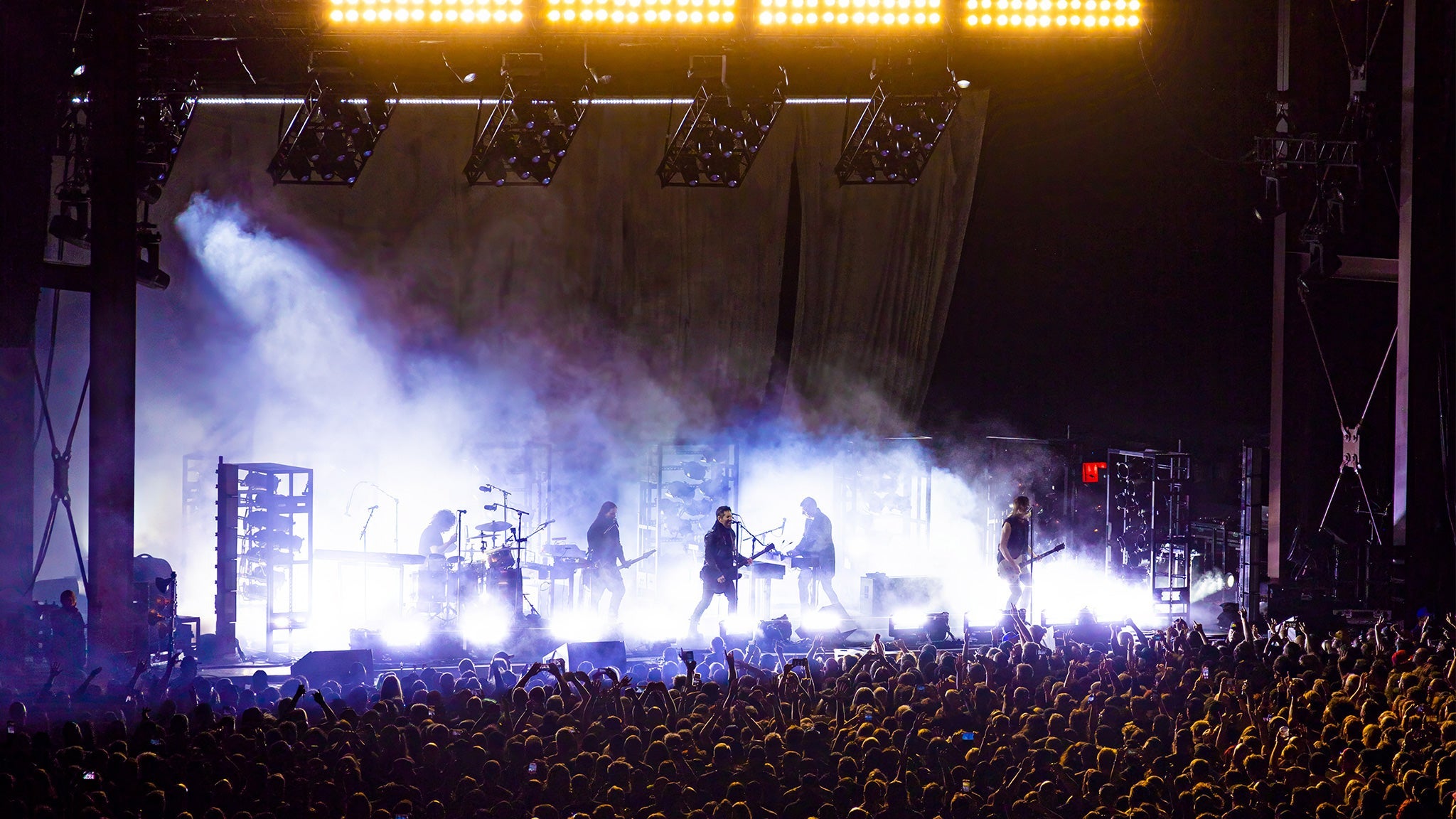
Mar. 15, 2026
Nine Inch Nails - Peel It Back Tour 2026