- Today
- Holidays
- Birthdays
- Reminders
- Cities
- Atlanta
- Austin
- Baltimore
- Berwyn
- Beverly Hills
- Birmingham
- Boston
- Brooklyn
- Buffalo
- Charlotte
- Chicago
- Cincinnati
- Cleveland
- Columbus
- Dallas
- Denver
- Detroit
- Fort Worth
- Houston
- Indianapolis
- Knoxville
- Las Vegas
- Los Angeles
- Louisville
- Madison
- Memphis
- Miami
- Milwaukee
- Minneapolis
- Nashville
- New Orleans
- New York
- Omaha
- Orlando
- Philadelphia
- Phoenix
- Pittsburgh
- Portland
- Raleigh
- Richmond
- Rutherford
- Sacramento
- Salt Lake City
- San Antonio
- San Diego
- San Francisco
- San Jose
- Seattle
- Tampa
- Tucson
- Washington
Bay Area Allergies Arrive Early Due to Warm Weather
Experts say this year's allergy season started weeks earlier than usual, causing misery for many residents.
Published on Mar. 11, 2026
Got story updates? Submit your updates here. ›
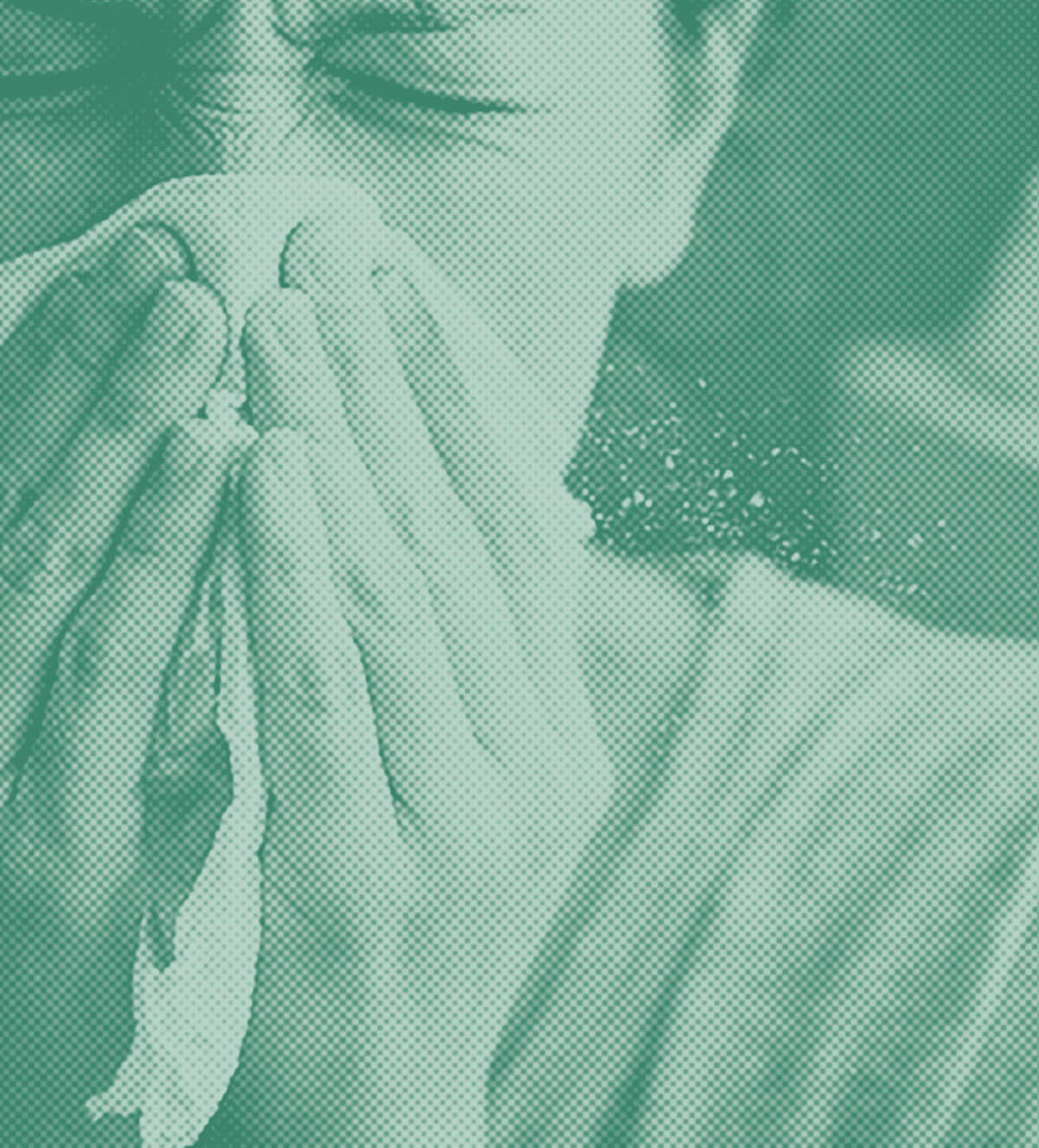
The Bay Area is experiencing a severe allergy season this year, with many residents reporting symptoms like sneezing and runny noses much earlier than normal. Allergists attribute the early onset to an unusually warm winter that caused plants to bloom and release pollen weeks ahead of schedule. Meteorologists confirm this year's winter was the second warmest on record for California, leading to a high number of growing degree days that triggered early plant growth and pollination.
Why it matters
The early and prolonged allergy season is causing significant discomfort for Bay Area residents, with many taking to social media to complain about their symptoms. Allergies can also exacerbate other health conditions like asthma. Experts warn that climate change may be contributing to increasingly severe and extended allergy seasons in the region in the coming years.
The details
According to allergists, patients who typically start showing up in March have been arriving as early as late January this year. The warm weather has caused plants like oaks, willows, and junipers to flower and release pollen much earlier than usual. Rainfall patterns this winter, with periods of heavy rain followed by dry spells, have also contributed to the intensity of the allergy season by allowing plants to grow robustly and then dispersing pollen when it dries out.
- The 2025-2026 meteorological winter (December through February) was the 2nd warmest on record for California.
- In late February, Bay Area residents began reporting a surge in allergy symptoms on social media.
The players
Dr. Tina Sindher
An allergist at Stanford who has been seeing patients with allergy symptoms earlier than usual this year.
Theresa Crimmins
The director of the USA National Phenology Network, who confirmed that this year's bloom was earlier than 95% of previously documented seasons.
What they’re saying
“Oaks for sure look like they have started flowering notably earlier than average this year, and I think willows too. That suggests that probably many other plants that are problematic for allergies probably bloomed early as well.”
— Theresa Crimmins, Director, USA National Phenology Network
“If there's enough moisture for plants and then you give them an extended period of heat, they're probably going to take advantage of it and start flowering earlier and more robustly.”
— Theresa Crimmins, Director, USA National Phenology Network
What’s next
Allergists recommend that Bay Area residents start taking antihistamines or using nasal steroid sprays as soon as they experience any allergy symptoms, in order to get ahead of the peak pollen season. They also advise keeping windows closed, showering after being outdoors, and using HEPA air filters indoors.
The takeaway
This early and severe allergy season is a troubling sign of the impacts of climate change, as warmer winters and earlier springs lead to longer and more intense pollen seasons that can significantly impact the health and quality of life for many Bay Area residents. Proactive steps to manage symptoms will be crucial in the coming years.
San Francisco top stories


San Francisco events

Mar. 11, 2026
Monty Python Spamalot (Touring)
Mar. 11, 2026
Neck of the Woods SF Open Mic Wednesdays
Mar. 11, 2026
Sam Smith - To Be Free: San Francisco 3/11