- Today
- Holidays
- Birthdays
- Reminders
- Cities
- Atlanta
- Austin
- Baltimore
- Berwyn
- Beverly Hills
- Birmingham
- Boston
- Brooklyn
- Buffalo
- Charlotte
- Chicago
- Cincinnati
- Cleveland
- Columbus
- Dallas
- Denver
- Detroit
- Fort Worth
- Houston
- Indianapolis
- Knoxville
- Las Vegas
- Los Angeles
- Louisville
- Madison
- Memphis
- Miami
- Milwaukee
- Minneapolis
- Nashville
- New Orleans
- New York
- Omaha
- Orlando
- Philadelphia
- Phoenix
- Pittsburgh
- Portland
- Raleigh
- Richmond
- Rutherford
- Sacramento
- Salt Lake City
- San Antonio
- San Diego
- San Francisco
- San Jose
- Seattle
- Tampa
- Tucson
- Washington
Avalanche Experts Warn of Deadly Conditions Becoming 'New Normal'
Experts fear climate change could lead to more extreme and erratic winter weather, heightening avalanche risks for backcountry skiers.
Feb. 20, 2026 at 10:06pm by Ben Kaplan
Got story updates? Submit your updates here. ›
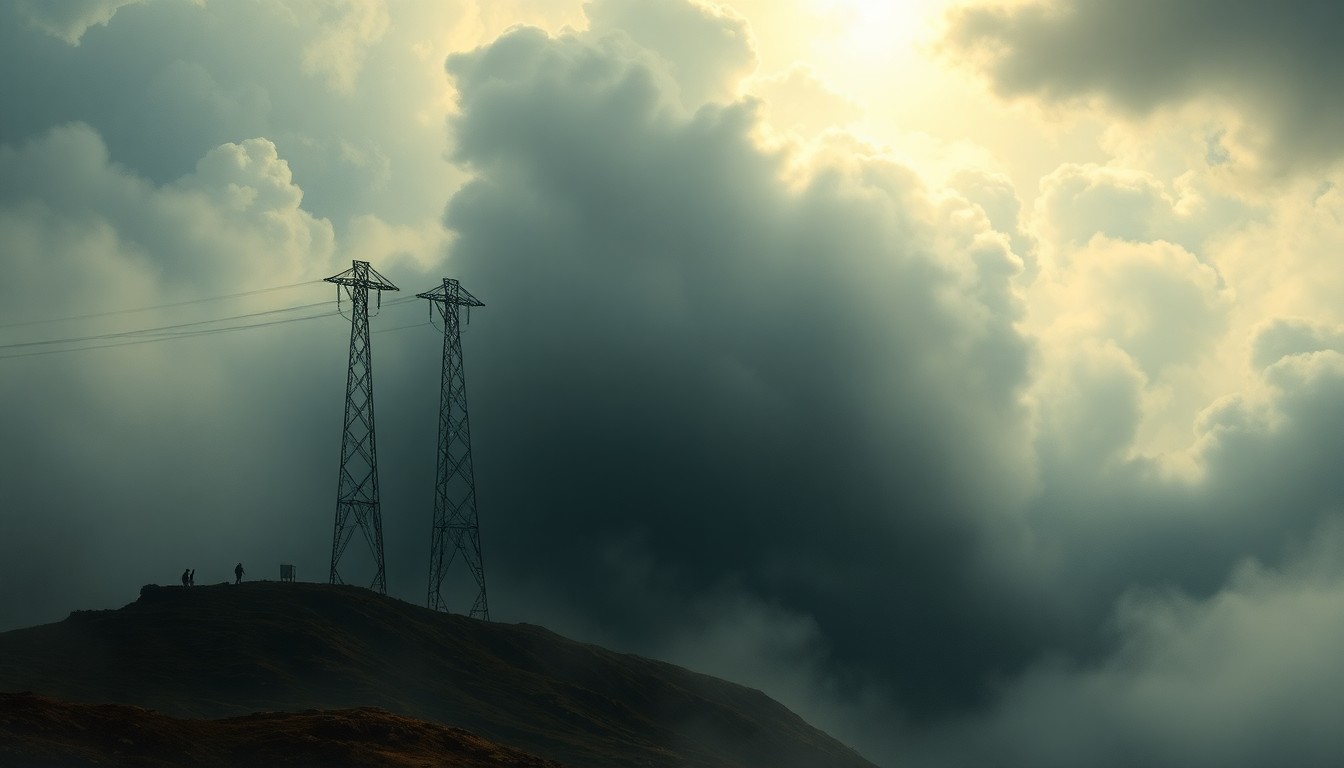
Avalanche experts gathered virtually to discuss the future of backcountry safety amid a changing climate, expressing concern that the conditions that led to the deadly Castle Peak avalanche near Truckee could become more common across Western mountain ranges. They warned that shorter, more erratic winter seasons with ping-ponging between dry spells and extreme storms could transform and heighten avalanche risk, potentially putting more skiers in jeopardy.
Why it matters
The Castle Peak avalanche tragedy has brought renewed focus on the growing threat of climate change-driven extreme weather events and their impact on outdoor recreation safety. Experts fear that as winters become more unpredictable, with rapid shifts between drought and heavy snowfall, backcountry users could face increased avalanche dangers that challenge traditional risk assessment and communication.
The details
The virtual meeting, hosted by the Nickolay Dodov Foundation, included avalanche center directors and forecasters from across the Western U.S. They discussed how climate change is producing shorter, more erratic winter seasons that alternate between exceptional dry spells and explosive storms, a trend that can transform and heighten avalanche risk. The consensus was that these "more extreme conditions, rather than 'average conditions,' are likely to become the new normal," creating challenges with some periods of increased avalanche activity and changes in the types of avalanches observed.
- This week's tragedy at Castle Peak near Truckee occurred on February 20, 2026.
- The virtual meeting among avalanche experts was held on February 23, 2026, just days after the deadly Castle Peak avalanche.
The players
Craig Gordon
A forecaster with the Utah Avalanche Center.
Karl Birkeland
Former director of the U.S. Forest Service's National Avalanche Center and author of the book "The Starting Zone".
David Reichel
Executive director of the Sierra Avalanche Center.
Nick Meyers
Director of the Mount Shasta Avalanche Center.
What they’re saying
“We're living in a time when we very well might experience conditions that we've never seen before.”
— Karl Birkeland, Former director of the U.S. Forest Service's National Avalanche Center
“Something I'm very curious and concerned about is, how do our backcountry users become aware of that?”
— David Reichel, Executive director of the Sierra Avalanche Center
“It's either got to be a "hell yes" or a no. It can't be in between or a maybe. If you're hemming and hawing, you should maybe go find another slope.”
— Nick Meyers, Director of the Mount Shasta Avalanche Center
What’s next
Avalanche experts plan to continue discussing ways to better communicate avalanche risk to backcountry users as climate change produces more extreme and unpredictable winter weather patterns.
The takeaway
This tragedy highlights the growing threat that climate change-driven extreme weather poses to outdoor recreation safety, underscoring the need for avalanche experts, forecasters, and backcountry users to adapt to a 'new normal' of heightened and more unpredictable avalanche risks.
San Francisco top stories


San Francisco events

Apr. 7, 2026
San Francisco Giants vs. Philadelphia Phillies
Apr. 7, 2026
Golden State Warriors vs. Sacramento Kings