- Today
- Holidays
- Birthdays
- Reminders
- Cities
- Atlanta
- Austin
- Baltimore
- Berwyn
- Beverly Hills
- Birmingham
- Boston
- Brooklyn
- Buffalo
- Charlotte
- Chicago
- Cincinnati
- Cleveland
- Columbus
- Dallas
- Denver
- Detroit
- Fort Worth
- Houston
- Indianapolis
- Knoxville
- Las Vegas
- Los Angeles
- Louisville
- Madison
- Memphis
- Miami
- Milwaukee
- Minneapolis
- Nashville
- New Orleans
- New York
- Omaha
- Orlando
- Philadelphia
- Phoenix
- Pittsburgh
- Portland
- Raleigh
- Richmond
- Rutherford
- Sacramento
- Salt Lake City
- San Antonio
- San Diego
- San Francisco
- San Jose
- Seattle
- Tampa
- Tucson
- Washington
Tuberculosis Bacteria Use Stealth to Evade Immune System
Groundbreaking discovery reveals how TB mycobacteria stiffen host cell membranes to survive
Apr. 11, 2026 at 7:55am
Got story updates? Submit your updates here. ›
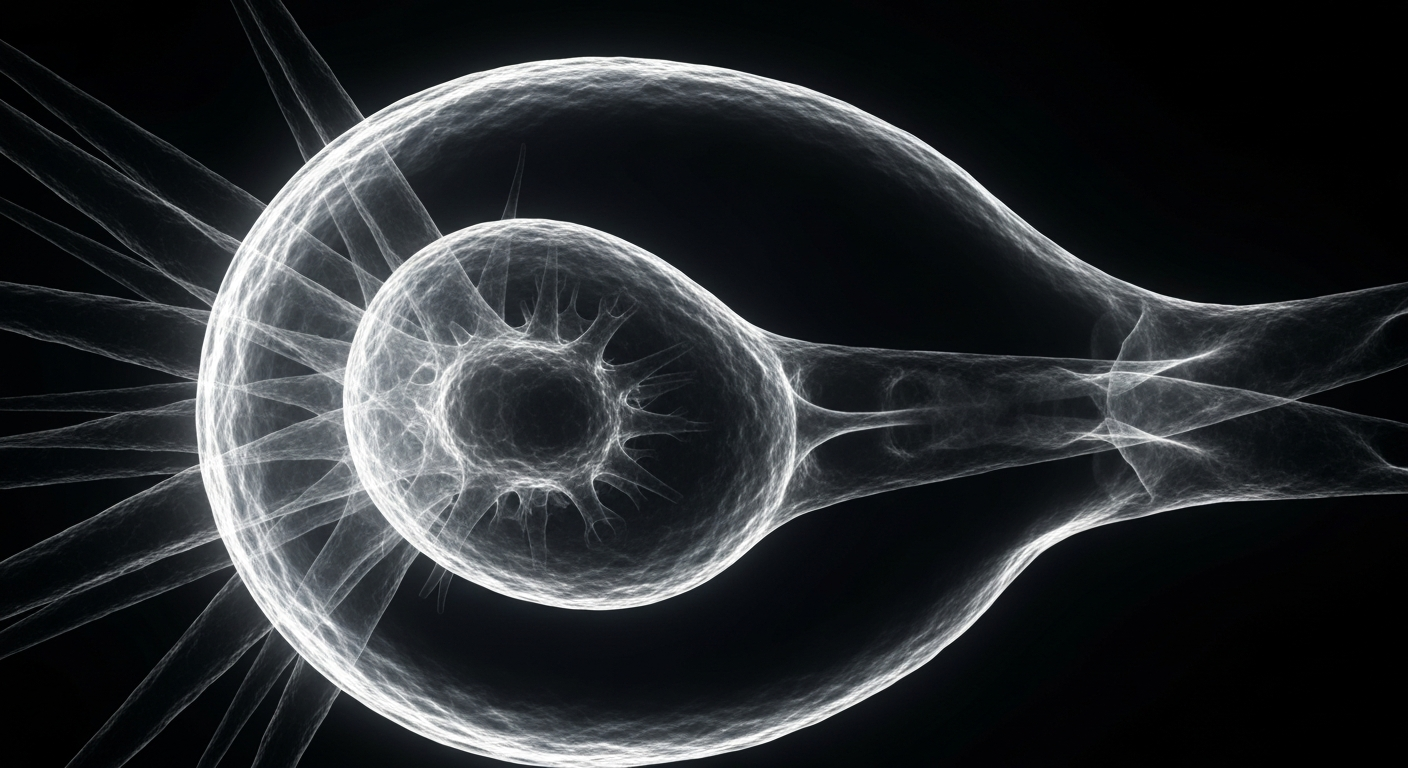 A ghostly X-ray image exposes the hidden survival tactics of tuberculosis bacteria, which stiffen host cell membranes to evade the immune system.San Diego Today
Researchers have uncovered a novel mechanism by which tuberculosis-causing bacteria, known as mycobacteria, evade the body's immune defenses. The bacteria release lipid-filled vesicles that fuse with immune cell membranes, making them stiffer and less able to engulf and destroy the invaders. This lipid-centric evasion tactic not only protects the bacteria but also weakens nearby uninfected cells, creating an environment conducive to infection.
Why it matters
Understanding how tuberculosis bacteria use this stealth strategy to survive provides new therapeutic targets. By blocking the production of these lipid-filled vesicles or counteracting their membrane-stiffening effects, researchers hope to empower the immune system to more effectively clear TB infections.
The details
Tuberculosis bacteria, or mycobacteria, release tiny, bubble-like structures called extracellular vesicles that are packed with lipids (fatty molecules). When these vesicles fuse with the membranes of immune cells, they make the cell membranes stiffer, preventing the crucial fusion between the phagosome (the compartment that encloses the bacteria) and the lysosome (the cell's internal recycling center filled with enzymes to destroy invaders). This creates an unbreachable fortress for the bacteria. Remarkably, these lipid-laden vesicles can also travel to nearby, uninfected immune cells, weakening their defenses before direct contact with the bacteria.
- The groundbreaking study was published in April 2026.
The players
Ayush Panda
A researcher involved in the study who was motivated to understand TB survival strategies due to growing up in an area with high tuberculosis rates.
Klebsiella pneumoniae
A bacteria that was observed to have similar membrane-stiffening effects from its lipids, hinting at a potentially evolutionarily conserved strategy among pathogens.
Staphylococcus aureus
Another bacteria that was observed to have similar membrane-stiffening effects from its lipids, hinting at a potentially evolutionarily conserved strategy among pathogens.
What they’re saying
“Now that we understand how the bacteria protect themselves, we can start looking for ways to stop them.”
— Ayush Panda, Researcher
What’s next
Researchers plan to further investigate ways to block the production of the lipid-filled vesicles released by tuberculosis bacteria or counteract their membrane-stiffening effects, in order to empower the immune system to more effectively clear TB infections.
The takeaway
This discovery of a novel, lipid-centric mechanism of immune evasion used by tuberculosis bacteria opens up exciting new avenues for developing much-needed treatments for this deadly disease. By understanding how the bacteria protect themselves, researchers can now work on disarming this stealthy survival tactic and allowing the immune system to do its job.
San Diego top stories



San Diego events

Apr. 11, 2026
San Diego Padres vs. Colorado Rockies
Apr. 11, 2026
Colin Hay With KT Tunstall
Apr. 11, 2026
Journeys to California: Rachmaninoff Symphony No. 3