- Today
- Holidays
- Birthdays
- Reminders
- Cities
- Atlanta
- Austin
- Baltimore
- Berwyn
- Beverly Hills
- Birmingham
- Boston
- Brooklyn
- Buffalo
- Charlotte
- Chicago
- Cincinnati
- Cleveland
- Columbus
- Dallas
- Denver
- Detroit
- Fort Worth
- Houston
- Indianapolis
- Knoxville
- Las Vegas
- Los Angeles
- Louisville
- Madison
- Memphis
- Miami
- Milwaukee
- Minneapolis
- Nashville
- New Orleans
- New York
- Omaha
- Orlando
- Philadelphia
- Phoenix
- Pittsburgh
- Portland
- Raleigh
- Richmond
- Rutherford
- Sacramento
- Salt Lake City
- San Antonio
- San Diego
- San Francisco
- San Jose
- Seattle
- Tampa
- Tucson
- Washington
World's First Living-Neuron Computer Raises Ethical Concerns
Cortical Labs' CL1 system combines lab-grown neurons with silicon hardware, sparking debate over the implications of biological computing.
Apr. 10, 2026 at 9:44am
Got story updates? Submit your updates here. ›
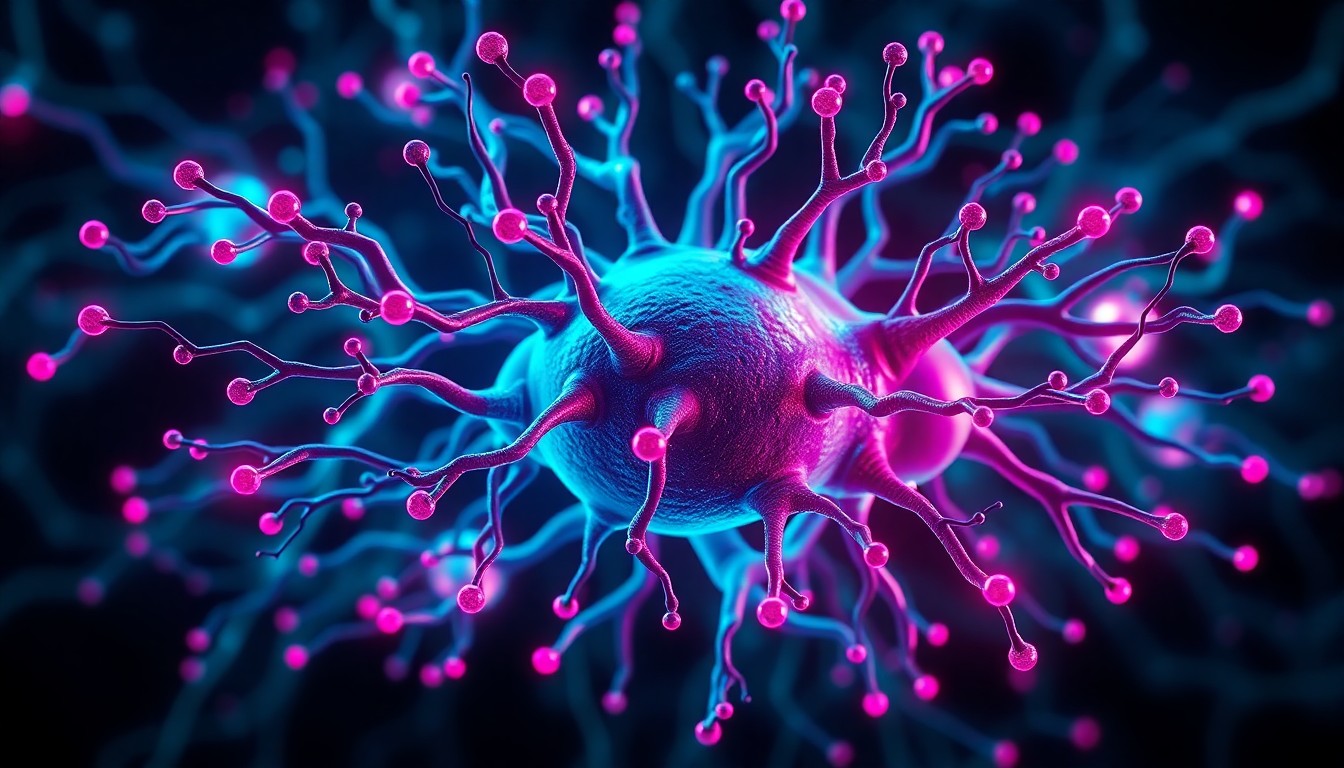 The convergence of human biology and silicon-based computing raises complex ethical questions about the future of biological computing.San Diego Today
The idea of using human brain cells to power computers is a fascinating and controversial concept that has been gaining traction in the tech world. Cortical Labs has created the CL1 system, which combines lab-grown neurons with silicon hardware, enabling users to explore a wide range of applications. While the potential for energy efficiency and adaptability is exciting, the technology also raises significant ethical concerns, including the complexity of the system, the potential for creating consciousness, and the implications for privacy and human rights.
Why it matters
The use of human neurons in computing could revolutionize the way we think about computing, leading to more energy-efficient and adaptable solutions. However, the ethical implications of this technology are complex and must be carefully considered, as it could potentially be used for surveillance, control, or other forms of misuse.
The details
The CL1 system developed by Cortical Labs allows users to interact with living brain cells in a more accessible and user-friendly way. The system combines lab-grown neurons with silicon hardware, enabling a wide range of applications, from neuroscience and disease modeling to robotics and artificial intelligence. The potential benefits of this technology include energy efficiency and adaptability, as human biology is incredibly energy-efficient, and the ability to interact with biological neurons in real-time could lead to more innovative solutions.
- Cortical Labs created the CL1 system in 2026.
The players
Cortical Labs
A company that has developed the CL1 system, which combines lab-grown neurons with silicon hardware to enable a wide range of applications.
Alysson R. Muotri
The Director of Sanford Stem Cell Education and Integrated Space Stem Cell Orbital Research (ISSCOR) Center at the University of California, San Diego, who has raised concerns about the potential for creating consciousness in a dish with more complex brain-like structures.
Brett J. Kagan
The chief scientific officer and chief operating officer at Cortical Labs, who has noted that advances in current AI systems may be reaching practical limits and that a combination of biological and silicon-based approaches could lead to more innovative and powerful solutions.
What they’re saying
“More complex brain-like structures could present challenges and raise ethical questions.”
— Alysson R. Muotri, Director of Sanford Stem Cell Education and Integrated Space Stem Cell Orbital Research (ISSCOR) Center at the University of California, San Diego
“Advances in current AI systems may be reaching practical limits, and a combination of biological and silicon-based approaches could lead to more innovative and powerful solutions.”
— Brett J. Kagan, Chief scientific officer and chief operating officer at Cortical Labs
What’s next
As the development of the CL1 system continues, it will be crucial for Cortical Labs and the broader scientific community to engage in ongoing discussions about the ethical implications of this technology and to work towards responsible and transparent implementation.
The takeaway
The use of human neurons in computing is a fascinating and potentially transformative technology, but it also raises significant ethical concerns that must be carefully considered. The future of biological computing is likely to be a hybrid approach that combines biological and silicon-based systems, and it will be up to us to ensure that this technology is used responsibly and ethically.
San Diego top stories



San Diego events

Apr. 10, 2026
Black Coffee
Apr. 10, 2026
Los Parras - El Gran Regreso Tour
Apr. 10, 2026
Miniaturized