- Today
- Holidays
- Birthdays
- Reminders
- Cities
- Atlanta
- Austin
- Baltimore
- Berwyn
- Beverly Hills
- Birmingham
- Boston
- Brooklyn
- Buffalo
- Charlotte
- Chicago
- Cincinnati
- Cleveland
- Columbus
- Dallas
- Denver
- Detroit
- Fort Worth
- Houston
- Indianapolis
- Knoxville
- Las Vegas
- Los Angeles
- Louisville
- Madison
- Memphis
- Miami
- Milwaukee
- Minneapolis
- Nashville
- New Orleans
- New York
- Omaha
- Orlando
- Philadelphia
- Phoenix
- Pittsburgh
- Portland
- Raleigh
- Richmond
- Rutherford
- Sacramento
- Salt Lake City
- San Antonio
- San Diego
- San Francisco
- San Jose
- Seattle
- Tampa
- Tucson
- Washington
Artemis II Astronauts Reflect on Profound Lunar Voyage Ahead of Earth Return
Crew describes surreal experience of being cut off from humanity during mission around the moon.
Apr. 9, 2026 at 10:18pm
Got story updates? Submit your updates here. ›
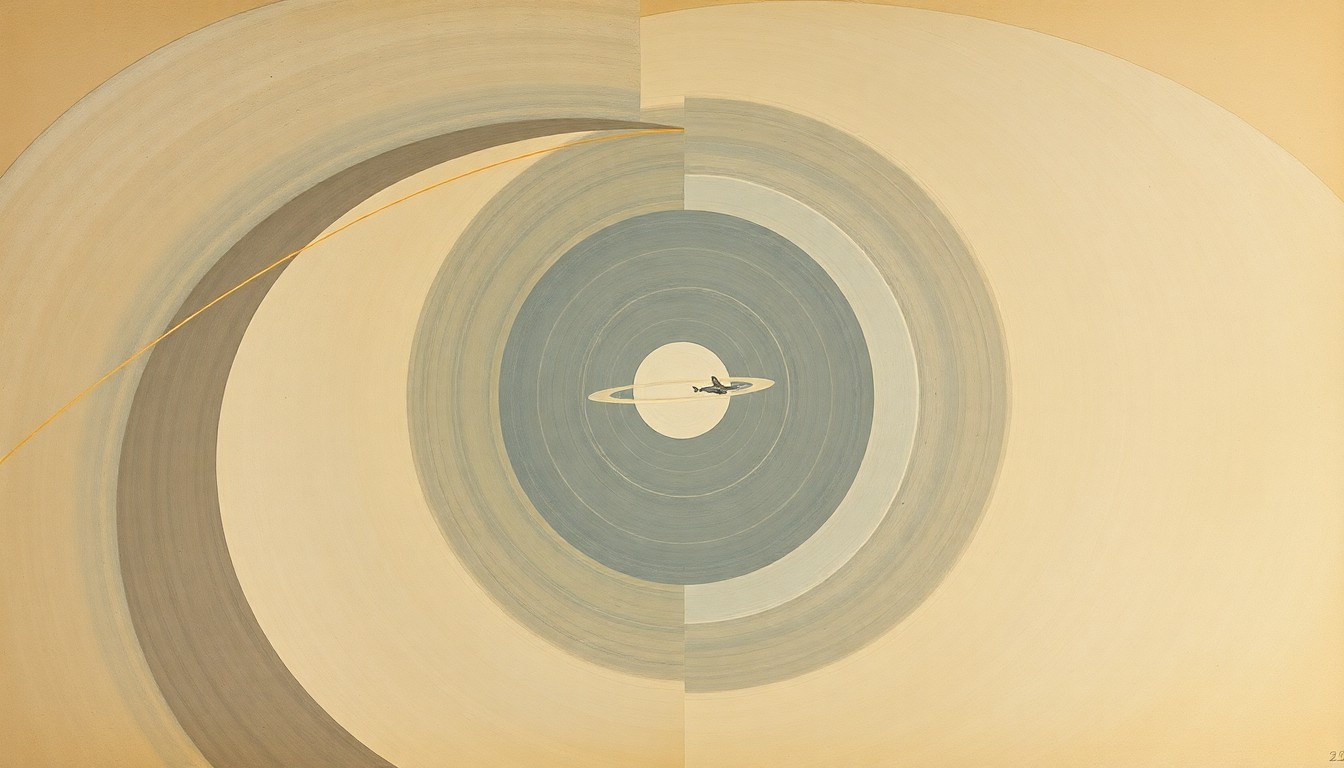 The Artemis II astronauts' historic lunar voyage, captured in a bold, abstract scientific diagram.San Diego Today
The four Artemis II astronauts are drawing closer to Earth after their historic journey around the moon, describing the experience as surreal and profound. As they prepare for their fiery reentry and splashdown off the coast of San Diego on Friday, the crew reflected on their record-breaking time spent farthest from Earth and the wonders they witnessed, including a total solar eclipse.
Why it matters
The Artemis II mission marks the first time humans have traveled to the moon since the Apollo program ended in 1972. The successful return of the crew will pave the way for future Artemis missions to establish a sustainable lunar presence, including plans to land astronauts near the moon's south pole as early as next year.
The details
During the mission, the Artemis II astronauts - commander Reid Wiseman, pilot Victor Glover, and mission specialists Christina Koch and Jeremy Hansen - became the most distant humans ever, reaching a record 252,756 miles from Earth. While behind the moon, they experienced a total solar eclipse, which Glover described as 'one of the greatest gifts' of the journey. NASA and the Defense Department have teamed up for the crew's reentry and splashdown, which will see the Orion capsule hit the atmosphere at nearly 24,000 mph, subjecting the heat shield to extreme temperatures of over 5,000 degrees Fahrenheit.
- The Artemis II mission launched from Florida on April 1, 2026.
- The crew reached a record distance of 252,756 miles from Earth on April 3, 2026 while behind the moon.
- The Orion capsule is scheduled to splash down off the coast of San Diego on April 14, 2026.
The players
Reid Wiseman
Commander of the Artemis II mission.
Victor Glover
Pilot of the Artemis II mission.
Christina Koch
Mission specialist on the Artemis II crew.
Jeremy Hansen
Canadian mission specialist on the Artemis II crew.
Lakiesha Hawkins
NASA official overseeing the Artemis II mission.
What they’re saying
“We have to get back. There's so much data that you've seen already, but all the good stuff is coming back with us. There are so many more pictures, so many more stories.”
— Victor Glover, Pilot
“There's a lot that our brains have to process … and it is a true gift.”
— Reid Wiseman, Commander
“Riding a fireball through the atmosphere is profound as well.”
— Victor Glover, Pilot
What’s next
The Orion capsule is scheduled to splash down off the coast of San Diego on Friday, April 14, 2026. NASA and the Defense Department will work together on the recovery operation, which will involve a squadron of military planes and helicopters.
The takeaway
The successful return of the Artemis II crew will mark a major milestone in NASA's Artemis program, paving the way for future missions to establish a sustainable human presence on and around the moon. The astronauts' descriptions of the profound and surreal nature of their journey highlight the transformative power of space exploration.
San Diego top stories



San Diego events


Apr. 9, 2026
Weatherbox
Apr. 9, 2026
HANABIE. - North America Tour 2026