- Today
- Holidays
- Birthdays
- Reminders
- Cities
- Atlanta
- Austin
- Baltimore
- Berwyn
- Beverly Hills
- Birmingham
- Boston
- Brooklyn
- Buffalo
- Charlotte
- Chicago
- Cincinnati
- Cleveland
- Columbus
- Dallas
- Denver
- Detroit
- Fort Worth
- Houston
- Indianapolis
- Knoxville
- Las Vegas
- Los Angeles
- Louisville
- Madison
- Memphis
- Miami
- Milwaukee
- Minneapolis
- Nashville
- New Orleans
- New York
- Omaha
- Orlando
- Philadelphia
- Phoenix
- Pittsburgh
- Portland
- Raleigh
- Richmond
- Rutherford
- Sacramento
- Salt Lake City
- San Antonio
- San Diego
- San Francisco
- San Jose
- Seattle
- Tampa
- Tucson
- Washington
Artemis II Crew Captures Rare Lunar Views on Journey Back to Earth
NASA's historic Artemis II mission reaches record distance from Earth, marking the first crewed lunar flight in over 50 years.
Apr. 8, 2026 at 8:00pm
Got story updates? Submit your updates here. ›
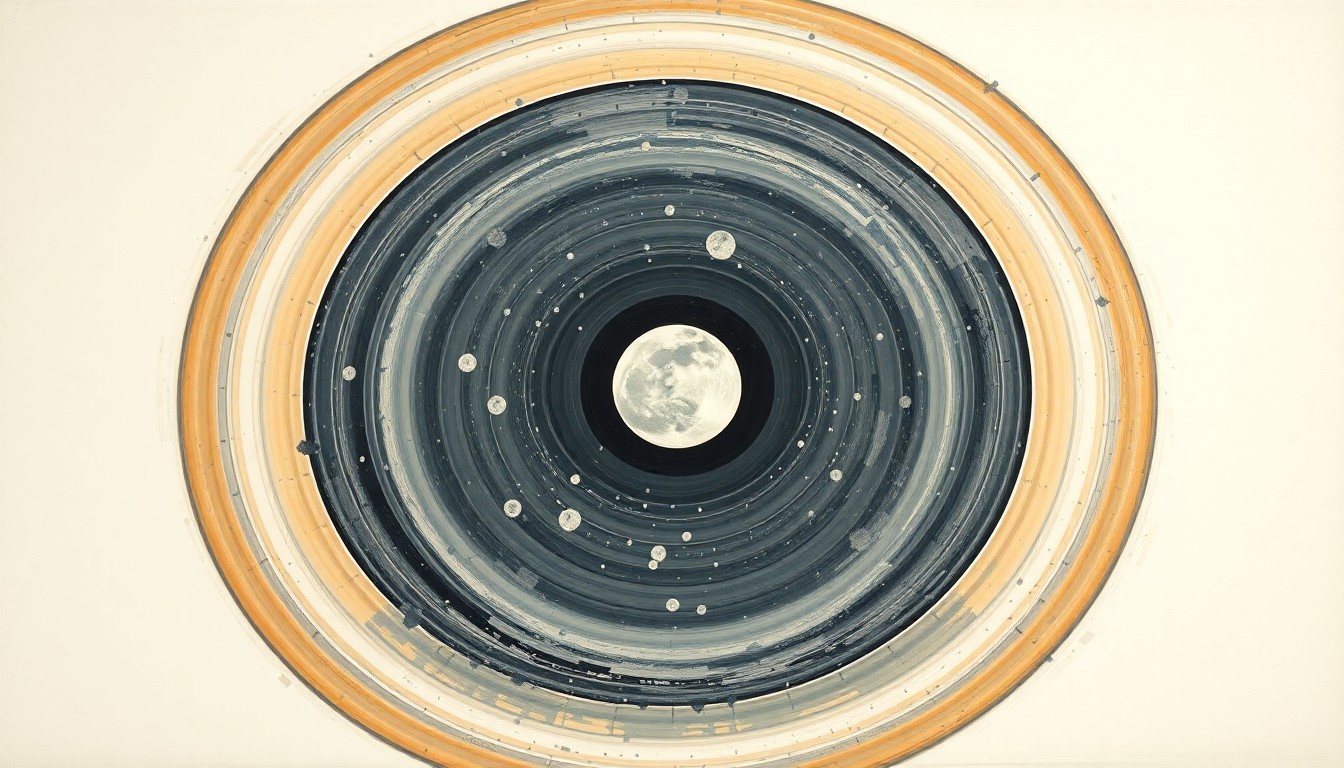 The Artemis II mission's historic lunar flyby provides a rare glimpse into the wonders of deep space exploration.San Diego Today
In a milestone for human spaceflight, NASA's Artemis II crew has traveled farther from Earth than any astronauts before, reaching a record distance of 252,756 miles from our planet during their journey around the moon. The four-person team aboard the Orion spacecraft spent roughly seven hours circling the lunar surface, capturing remarkable images and experiencing extraordinary sights like a solar eclipse and 'Earthrise' views.
Why it matters
The Artemis II mission represents a historic return to deep space exploration, paving the way for future crewed missions to the moon and beyond. The stunning imagery and firsthand accounts from the astronauts provide a rare glimpse into the challenges and wonders of lunar travel, inspiring the public and advancing scientific understanding.
The details
During their lunar flyby on April 6, 2026, the Artemis II crew—commander Reid Wiseman, pilot Victor Glover, mission specialist Christina Koch, and Canadian astronaut Jeremy Hansen—came within about 4,067 miles of the moon's surface. This allowed them to directly view certain regions of the lunar far side for the first time. The astronauts documented their journey with a series of remarkable images, including a striking 'Earthset' and a modern recreation of the famous 'Earthrise' photograph. One of the most extraordinary sights was a solar eclipse that lasted nearly 54 minutes, much longer than typical eclipses seen from Earth.
- On April 6, 2026, the Artemis II crew reached a record distance of 252,756 miles from Earth.
- The crew spent roughly seven hours circling the moon during their lunar flyby.
- Communication with Mission Control briefly dropped for about 40 minutes while the spacecraft passed behind the moon.
- The 10-day Artemis II mission is expected to conclude with a splashdown in the Pacific Ocean near San Diego on Friday evening.
The players
Reid Wiseman
The commander of the Artemis II mission.
Victor Glover
The pilot of the Artemis II mission.
Christina Koch
A mission specialist on the Artemis II crew.
Jeremy Hansen
A Canadian astronaut on the Artemis II mission.
NASA
The U.S. space agency that is leading the Artemis program, which includes the Artemis II crewed lunar mission.
What they’re saying
“Because humans probably have not evolved to see what we're seeing. It is the strangest looking thing that you can see so much on the surface.”
— Victor Glover, Astronaut
“You can see the surface of the moon against the Earthshine. ... It just looks unreal. You can actually see a majority of the moon. It is the strangest looking thing that you can see so much on the surface.”
— Victor Glover, Astronaut
“It is truly hard to describe and amazing.”
— Victor Glover, Astronaut
What’s next
After completing its lunar flyby, the Artemis II spacecraft began its trip back to Earth. The 10-day mission is expected to conclude with a splashdown in the Pacific Ocean near San Diego just after 8 p.m. EDT on Friday evening.
The takeaway
The Artemis II mission represents a historic milestone in human space exploration, providing a rare glimpse into the wonders of lunar travel and paving the way for future crewed missions to the moon and beyond. The stunning imagery and firsthand accounts from the astronauts have captivated the public and advanced our scientific understanding of the lunar environment.
San Diego top stories


San Diego events

Apr. 8, 2026
oskar med k, Soul of Hex
Apr. 8, 2026
2026 Aztec Softball vs. Nevada
Apr. 8, 2026
Years Around The Sun