- Today
- Holidays
- Birthdays
- Reminders
- Cities
- Atlanta
- Austin
- Baltimore
- Berwyn
- Beverly Hills
- Birmingham
- Boston
- Brooklyn
- Buffalo
- Charlotte
- Chicago
- Cincinnati
- Cleveland
- Columbus
- Dallas
- Denver
- Detroit
- Fort Worth
- Houston
- Indianapolis
- Knoxville
- Las Vegas
- Los Angeles
- Louisville
- Madison
- Memphis
- Miami
- Milwaukee
- Minneapolis
- Nashville
- New Orleans
- New York
- Omaha
- Orlando
- Philadelphia
- Phoenix
- Pittsburgh
- Portland
- Raleigh
- Richmond
- Rutherford
- Sacramento
- Salt Lake City
- San Antonio
- San Diego
- San Francisco
- San Jose
- Seattle
- Tampa
- Tucson
- Washington
New Drug Compounds Reduce Inflammation, Immunity Safe
Scripps Research scientists develop targeted treatment for autoimmune diseases.
Apr. 7, 2026 at 6:00am
Got story updates? Submit your updates here. ›
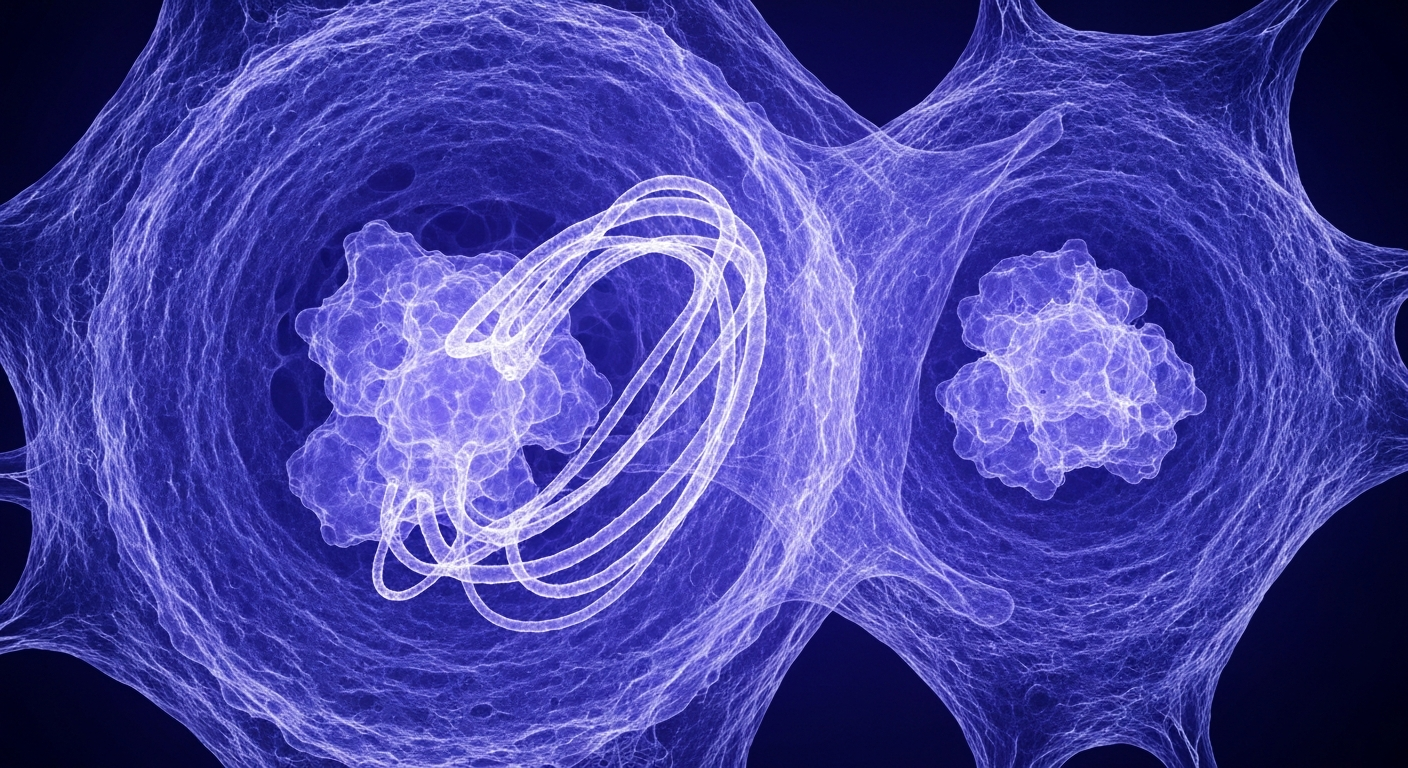 A novel class of drug compounds targets the specific molecular machinery driving inflammation in autoimmune diseases, offering a more selective treatment approach.San Diego Today
Scripps Research scientists have developed a new class of drug compounds called ENDOtollins that reduce harmful inflammation while leaving the body's ability to fight infections intact. The compounds work by interrupting a "molecular handshake" between two proteins inside immune cells, offering a more targeted approach to treating autoimmune diseases like lupus, rheumatoid arthritis, and juvenile arthritis.
Why it matters
Current autoimmune disease treatments can lead to significant side effects, causing many patients to stop treatment. The new ENDOtollin compounds provide a more selective way to calm inflammation without broadly suppressing the immune system, potentially leading to better disease-modifying treatments for the over 15 million Americans affected by autoimmune conditions.
The details
The ENDOtollin compounds block the interaction between the proteins Munc13-4 and syntaxin 7, which play a key role in activating Toll-like receptors (TLRs) inside immune cell compartments called endosomes. In autoimmune diseases, overactive TLRs detect self-nucleic acids and trigger chronic, damaging inflammation. By selectively targeting this molecular handshake, the ENDOtollins can reduce inflammation without impairing the body's ability to fight real infections.
- The research was published in Nature Chemical Biology on April 6, 2026.
- The team screened roughly 32,000 compounds with the support of Scripps Research's Molecular Screening Center.
The players
Sergio D. Catz
Professor at Scripps Research and senior author of the study.
Hugh Rosen
Professor at Scripps Research and the Pearson Family Chair.
Jennifer Johnson
First author and senior staff scientist at Scripps Research.
Roberto Baccala
Collaborator from the San Diego BioMed Institute.
Scripps Research
An independent, nonprofit biomedical research institute ranked one of the most influential in the world for its impact on innovation by Nature Index.
What they’re saying
“A key component of our approach is to begin by understanding the biological mechanisms at play. By accomplishing this first, we can more easily target the pathway driving inflammation without affecting other important processes.”
— Sergio D. Catz, Professor at Scripps Research and senior author
“Most treatments for autoimmune diseases manage symptoms; they don't change the underlying course of the disease. What's exciting about this approach is its potential to be disease-modifying: targeting the specific molecular machinery that drives inflammation, rather than broadly suppressing the immune system.”
— Hugh Rosen, Professor at Scripps Research and the Pearson Family Chair
“By maintaining the proteins in their natural environment, we increase the likelihood that compounds we find will actually work in living cells.”
— Jennifer Johnson, First author and senior staff scientist at Scripps Research
What’s next
The team's next steps include testing ENDOtollins in models that more closely mimic human autoimmune diseases, as well as further optimizing the compounds' chemistry for potential clinical use.
The takeaway
The new ENDOtollin compounds offer a promising targeted approach to reducing inflammation in autoimmune diseases without compromising the body's ability to fight infections, potentially leading to more effective and safer treatments for the millions affected by these conditions.
San Diego top stories



San Diego events

Apr. 7, 2026
Captured! By Robots
Apr. 7, 2026
MarchFourth, Banshee Tree
Apr. 7, 2026
Oceanic and Borderline