- Today
- Holidays
- Birthdays
- Reminders
- Cities
- Atlanta
- Austin
- Baltimore
- Berwyn
- Beverly Hills
- Birmingham
- Boston
- Brooklyn
- Buffalo
- Charlotte
- Chicago
- Cincinnati
- Cleveland
- Columbus
- Dallas
- Denver
- Detroit
- Fort Worth
- Houston
- Indianapolis
- Knoxville
- Las Vegas
- Los Angeles
- Louisville
- Madison
- Memphis
- Miami
- Milwaukee
- Minneapolis
- Nashville
- New Orleans
- New York
- Omaha
- Orlando
- Philadelphia
- Phoenix
- Pittsburgh
- Portland
- Raleigh
- Richmond
- Rutherford
- Sacramento
- Salt Lake City
- San Antonio
- San Diego
- San Francisco
- San Jose
- Seattle
- Tampa
- Tucson
- Washington
Building Grip Strength Can Reduce Dementia Risk, Research Shows
Improving and maintaining grip strength during middle age can lead to better neurological health later in life.
Apr. 7, 2026 at 6:27am
Got story updates? Submit your updates here. ›
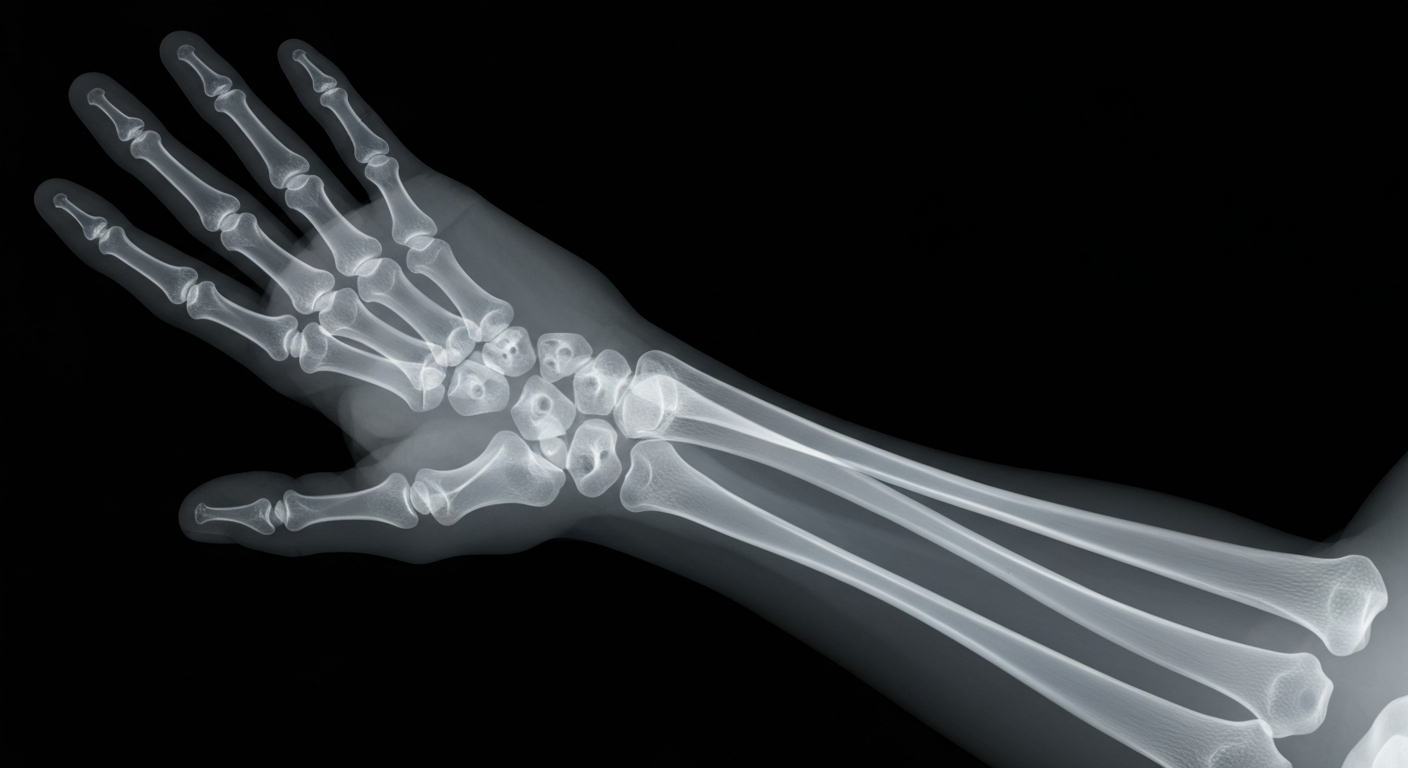 An X-ray image of a hand and forearm highlights the complex anatomy that enables grip strength, a key indicator of overall physical and cognitive health.San Diego Today
A wealth of research links dementia risk to lifestyle choices and chronic illnesses. Among that data are studies that consistently show physical activity, specifically building and maintaining strength, can reduce one's likelihood of cognitive decline. Improving and maintaining grip strength during middle age can lead to better neurological health later in life, according to experts.
Why it matters
As 10 million new dementia cases arise annually, strength in one area of the body stands out as an especially reliable indicator for cognitive health. Grip strength can track how well the brain is communicating with the rest of the body to control motor function and sensation.
The details
Grip strength in particular can track how well the brain is communicating with the rest of the body to control motor function and sensation. It is measured with a hand dynamometer, available at physical therapists' offices, some primary care offices and at hand specialist practices. A 2019 study found the weaker an older adult's grip strength, the greater the likelihood of cognitive impairment. A 2022 study looking at grip strength and dementia risk similarly concluded that increasing muscle strength in middle age may help maintain brain health.
- While there are benefits to being fit at all stages of life, the most critical time to prioritize building strength to reduce dementia risk is between ages 45 and 65.
- In one study, the most physically active adults (in mid-life and late-life) were 41-45% less likely to develop dementia than the least active.
The players
Jennifer A. Schrack, Ph.D.
Director at the Johns Hopkins Bloomberg School of Public Health's Center on Aging and Health.
Alexander Rothstein, Ed.D.
Assistant professor of exercise science at New York Institute of Technology's School of Health Professions.
What they’re saying
“We use grip strength in studies because it's easy to measure, whereas total body strength is much more difficult to measure.”
— Jennifer A. Schrack, Ph.D., Director at the Johns Hopkins Bloomberg School of Public Health's Center on Aging and Health
“Improving and maintaining grip strength during middle age can lead to better neurological health later in life.”
— Jennifer A. Schrack, Ph.D., Director at the Johns Hopkins Bloomberg School of Public Health's Center on Aging and Health
The takeaway
This case highlights the importance of maintaining physical strength, particularly grip strength, as a way to reduce the risk of cognitive decline and dementia. Incorporating targeted exercises to build and maintain grip strength should be a priority for adults in middle age and beyond.
San Diego top stories



San Diego events

Apr. 7, 2026
Captured! By Robots
Apr. 7, 2026
MarchFourth, Banshee Tree
Apr. 7, 2026
Oceanic and Borderline