- Today
- Holidays
- Birthdays
- Reminders
- Cities
- Atlanta
- Austin
- Baltimore
- Berwyn
- Beverly Hills
- Birmingham
- Boston
- Brooklyn
- Buffalo
- Charlotte
- Chicago
- Cincinnati
- Cleveland
- Columbus
- Dallas
- Denver
- Detroit
- Fort Worth
- Houston
- Indianapolis
- Knoxville
- Las Vegas
- Los Angeles
- Louisville
- Madison
- Memphis
- Miami
- Milwaukee
- Minneapolis
- Nashville
- New Orleans
- New York
- Omaha
- Orlando
- Philadelphia
- Phoenix
- Pittsburgh
- Portland
- Raleigh
- Richmond
- Rutherford
- Sacramento
- Salt Lake City
- San Antonio
- San Diego
- San Francisco
- San Jose
- Seattle
- Tampa
- Tucson
- Washington
Supreme Court Hears Arguments on Birthright Citizenship
DACA recipients in San Diego worry about the future as the court considers limiting automatic U.S. citizenship.
Apr. 2, 2026 at 1:22am
Got story updates? Submit your updates here. ›
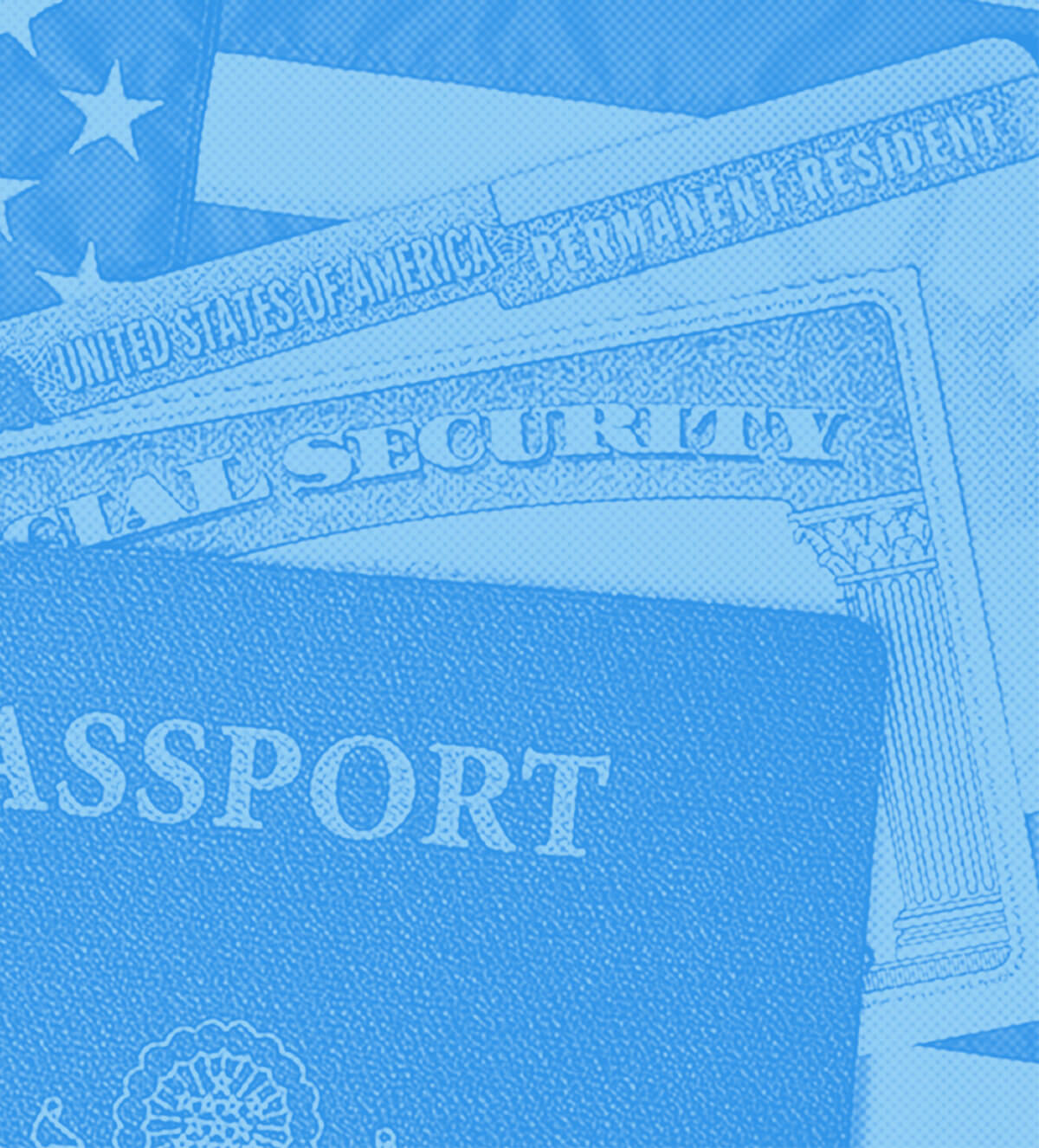
The U.S. Supreme Court heard arguments on Wednesday about birthright citizenship and the history and meaning of the 14th Amendment. At the center of the hearing is an executive order signed by President Trump that attempts to ban automatic U.S. citizenship for children born to undocumented migrants. DACA recipients in San Diego expressed fear and uncertainty about the potential implications if the court sides with the Trump administration's view.
Why it matters
The Supreme Court's ruling on the scope of birthright citizenship under the 14th Amendment could have far-reaching consequences, potentially revoking citizenship for anyone born in the U.S. to undocumented parents. This would deeply impact DACA recipients and the immigrant community, who already feel under constant attack.
The details
Appellate attorney Jeff Lewis said Trump's argument is that the 14th Amendment was never meant to apply as broadly as it does today, and that it was only meant to grant citizenship to freed slaves and their children. Should the Supreme Court rule in favor of the Trump administration, anyone born in the United States after February of 2025 that cannot establish their parents were lawfully here will have their citizenship revoked.
- The U.S. Supreme Court heard arguments on the case on April 2, 2026.
- A ruling is expected from the Supreme Court later in 2026.
The players
President Trump
The former U.S. president who signed an executive order attempting to ban automatic U.S. citizenship for children born to undocumented migrants.
Jeff Lewis
An appellate attorney who discussed the potential implications of the Supreme Court case.
Diego Miranda
A DACA recipient in San Diego who expressed fear and uncertainty about the future.
What they’re saying
“Should the Supreme Court rule in favor of the Trump administration, anyone born in the United States after February of 2025 that cannot establish their parents were lawfully here will have their citizenship revoked.”
— Jeff Lewis, Appellate Attorney
“If at any point I wanted to have children, I would hope that my children would have the same opportunity as their neighbor born across the street.”
— Diego Miranda, DACA Recipient
“It's definitely scary to be one of the people with a target on their back. You know I was raised like any other American except on paper and yet we're not treated the same.”
— Diego Miranda, DACA Recipient
What’s next
A ruling from the Supreme Court is expected later in 2026, which could have major implications for birthright citizenship in the United States.
The takeaway
This case highlights the ongoing debate over the scope of the 14th Amendment and the rights of children born to undocumented immigrants in the U.S. The potential outcome has DACA recipients and the immigrant community deeply concerned about the future and their status as American citizens.
San Diego top stories

San Diego events
Apr. 2, 2026
2026 Aztec Softball Vs. Utah State
Apr. 2, 2026
2026 Aztec Baseball vs. Air Force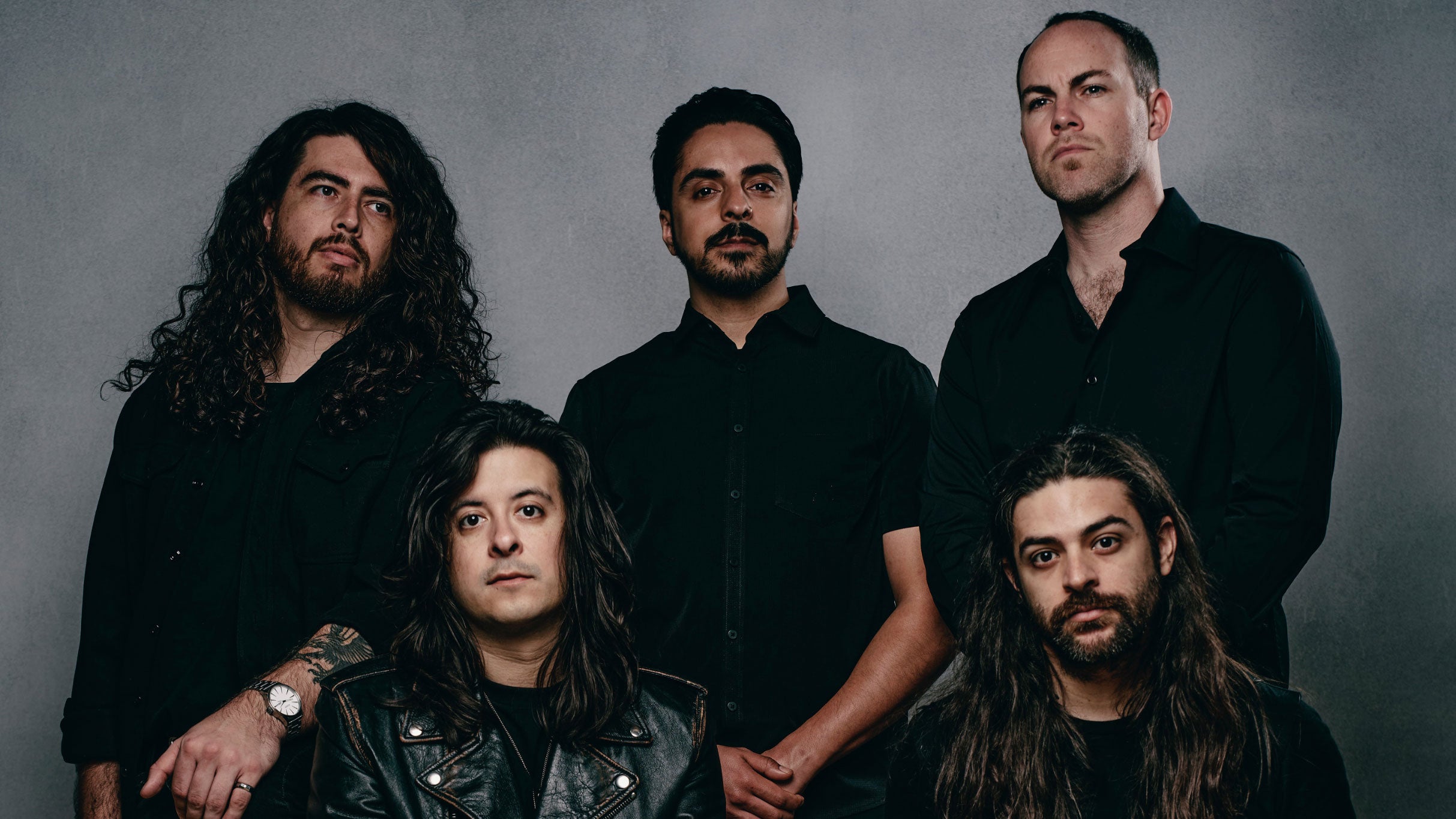
Apr. 2, 2026
Hail the Sun