- Today
- Holidays
- Birthdays
- Reminders
- Cities
- Atlanta
- Austin
- Baltimore
- Berwyn
- Beverly Hills
- Birmingham
- Boston
- Brooklyn
- Buffalo
- Charlotte
- Chicago
- Cincinnati
- Cleveland
- Columbus
- Dallas
- Denver
- Detroit
- Fort Worth
- Houston
- Indianapolis
- Knoxville
- Las Vegas
- Los Angeles
- Louisville
- Madison
- Memphis
- Miami
- Milwaukee
- Minneapolis
- Nashville
- New Orleans
- New York
- Omaha
- Orlando
- Philadelphia
- Phoenix
- Pittsburgh
- Portland
- Raleigh
- Richmond
- Rutherford
- Sacramento
- Salt Lake City
- San Antonio
- San Diego
- San Francisco
- San Jose
- Seattle
- Tampa
- Tucson
- Washington
Monrovia Residents Blamed for Orphaned Bear Cubs After Mother Euthanized
State wildlife officials say the mother bear was deemed a 'public safety' risk after multiple incidents with humans in the area.
Mar. 30, 2026 at 9:54pm
Got story updates? Submit your updates here. ›
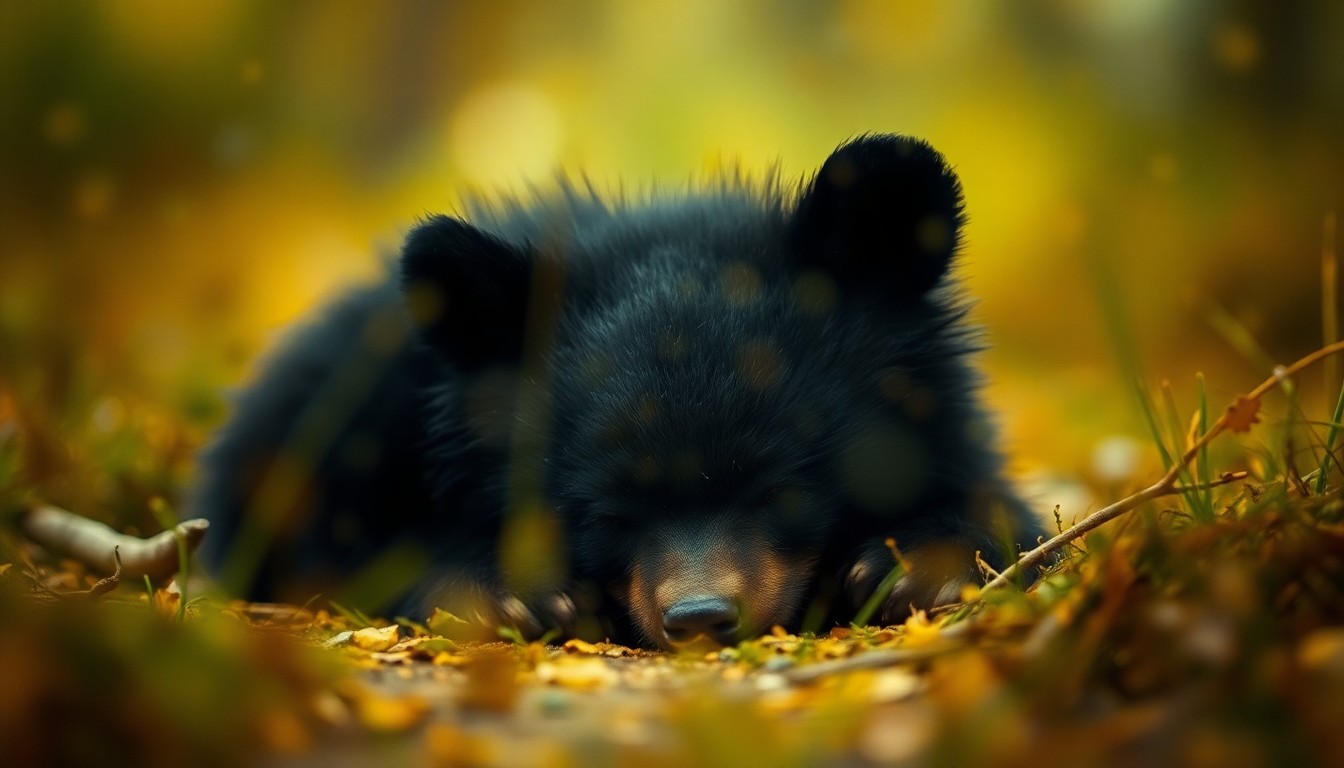 The orphaned bear cubs now in the care of the San Diego Humane Society face an uncertain future after their mother was euthanized for becoming too comfortable around humans.San Diego Today
Two orphaned black bear cubs are now in the care of the San Diego Humane Society's Wildlife Center after their mother, known as 'Blondie' to local residents, was euthanized by state wildlife officials following an attack on a woman walking her dog. Authorities say the mother bear had become 'habituated' to human presence and interaction, likely due to residents in the Monrovia area not properly reporting bear sightings or taking precautions to keep the wild animals at a safe distance.
Why it matters
This case highlights the growing issue of human-wildlife conflicts as climate change and drought push wild animals like black bears into more urban areas in search of food and resources. Experts say that when bears become too comfortable around humans, it increases the risk of dangerous encounters and often leads to the bears being euthanized, leaving their young cubs orphaned.
The details
The mother bear, nicknamed 'Blondie' by locals, had been living with her two cubs under a home in Monrovia for several months. Authorities say the homeowners knew the bears were there but never reported it, which is illegal under California law. Blondie had previously been involved in two incidents where she swiped at and scratched humans, leading state wildlife officials to deem her a 'public safety bear' that had to be euthanized. The two orphaned cubs are now being cared for at the San Diego Humane Society's Wildlife Center, where staff are working to ensure the young bears maintain a healthy fear of humans and can eventually be released back into the wild.
- Earlier this month, state wildlife officials euthanized the mother bear after a woman reported the bear swiped at and scratched her while walking her dog in Monrovia.
- About a year ago, the same bear reportedly approached an elderly man on his porch and swiped and scratched him.
The players
Autumn Welch
An employee at the San Diego Humane Society's Wildlife Center who is caring for the orphaned bear cubs.
Cort Klopping
A spokesman for the California Department of Fish and Wildlife who confirmed details about the mother bear's history of aggressive interactions with humans.
Edward Belden
A Monrovia City Councilman who said many residents in the city consider bears to be part of the community.
Blondie
The nickname given by Monrovia residents to the mother bear that was euthanized by state wildlife officials.
Dylan Feik
The Monrovia City Manager who wrote a letter informing residents that the city lobbied for the bear family's relocation, but the decision to euthanize had already been made.
What they’re saying
“By the time we were able to speak with state officials… the decision to euthanize was already made.”
— Dylan Feik, Monrovia City Manager
“I don't know what that means to me. I don't know what that means to anybody. Monrovia just has a different relationship to bears.”
— Edward Belden, Monrovia City Councilman
What’s next
The two orphaned bear cubs will continue to be cared for at the San Diego Humane Society's Wildlife Center, where staff will work to ensure they maintain a healthy fear of humans and can eventually be released back into the wild.
The takeaway
This tragic case highlights the need for better education and policies around human-wildlife interactions in communities like Monrovia, where residents have become too comfortable with the presence of wild bears. Preventing bears from becoming 'habituated' to human activity is crucial to protecting both the animals and public safety.