- Today
- Holidays
- Birthdays
- Reminders
- Cities
- Atlanta
- Austin
- Baltimore
- Berwyn
- Beverly Hills
- Birmingham
- Boston
- Brooklyn
- Buffalo
- Charlotte
- Chicago
- Cincinnati
- Cleveland
- Columbus
- Dallas
- Denver
- Detroit
- Fort Worth
- Houston
- Indianapolis
- Knoxville
- Las Vegas
- Los Angeles
- Louisville
- Madison
- Memphis
- Miami
- Milwaukee
- Minneapolis
- Nashville
- New Orleans
- New York
- Omaha
- Orlando
- Philadelphia
- Phoenix
- Pittsburgh
- Portland
- Raleigh
- Richmond
- Rutherford
- Sacramento
- Salt Lake City
- San Antonio
- San Diego
- San Francisco
- San Jose
- Seattle
- Tampa
- Tucson
- Washington
Sacramento and Stockton Ranked Among Worst Places for Allergies in 2026
Warmer temperatures and early blooming plants lead to higher pollen levels and longer allergy season in California's Central Valley.
Apr. 8, 2026 at 10:35pm
Got story updates? Submit your updates here. ›
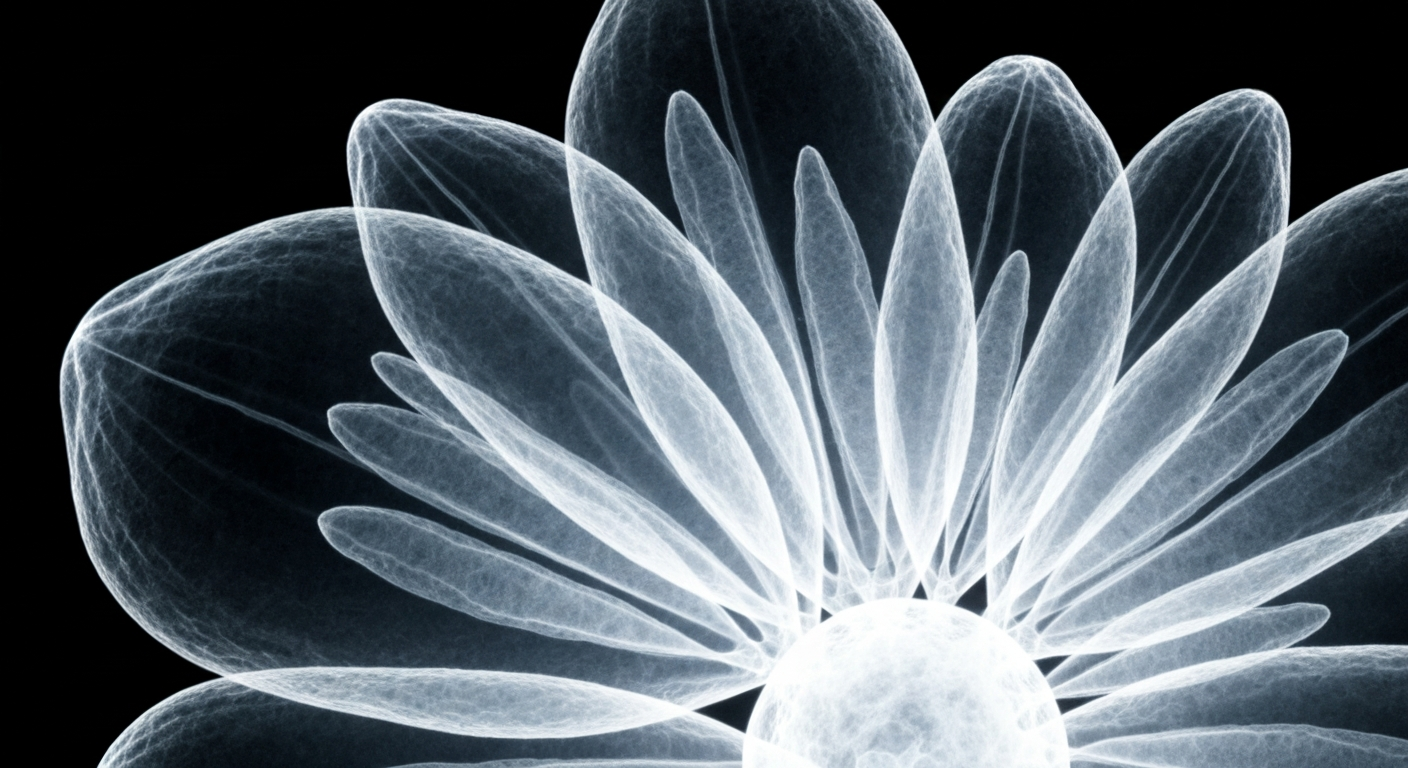 A ghostly X-ray view of the pollen grains that are causing increased allergy symptoms in California's Central Valley.Today in Sacramento
A new report from the Asthma and Allergy Foundation of America shows that parts of the West Coast, including Sacramento and Stockton, are experiencing higher pollen levels and a longer allergy season. Experts attribute this to the warmer temperatures and early blooming of plants in the region, which is causing increased allergy symptoms for many residents.
Why it matters
The rise in pollen levels and extended allergy season in California's Central Valley highlights the impact of climate change on public health. As temperatures continue to warm, the blooming periods of plants are shifting, leading to more severe and prolonged allergy seasons that can negatively affect quality of life for those with respiratory conditions.
The details
According to Katie Bolt from the UC Davis Arboretum, the native plants in the Sacramento region that are currently blooming, such as grasses and oak trees, are producing high amounts of pollen that is easily picked up and dispersed in the air. This pollen can trigger a range of allergy symptoms, including itchy eyes, sniffles, and congestion. Doctors in the area are already seeing an early start to allergy season and are recommending various medications to help manage the symptoms.
- Allergy season in the Sacramento area typically starts in early March and can last through May and June.
- This year, the warmer temperatures have led to an earlier start to the allergy season.
The players
Katie Bolt
An expert from the UC Davis Arboretum who has observed the early blooming of plants in the Sacramento region and the resulting high pollen levels.
Asthma and Allergy Foundation of America
The organization that released a report showing parts of the West Coast, including Sacramento and Stockton, are experiencing higher pollen levels and a longer allergy season.
What they’re saying
“These would have been loaded with pollen and like grasses, oaks are wind pollinated species, so that pollen is easily picked up and gotten into the air.”
— Katie Bolt, Expert, UC Davis Arboretum
“There are lots of medicines that are available. Antihistamines that work well, nasal sprays, eye drops that can be used depending on the specific symptoms.”
— Doctor
What’s next
Doctors in the Sacramento area are recommending that residents with allergies start taking medication and take other preventative measures to manage their symptoms as the allergy season continues.
The takeaway
The rise in pollen levels and extended allergy season in California's Central Valley is a concerning consequence of climate change, highlighting the need for public health measures and further research to address the growing burden of respiratory allergies.
Sacramento top stories


Sacramento events

Apr. 9, 2026
MJ (Touring)
Apr. 9, 2026
MJ (Touring)