- Today
- Holidays
- Birthdays
- Reminders
- Cities
- Atlanta
- Austin
- Baltimore
- Berwyn
- Beverly Hills
- Birmingham
- Boston
- Brooklyn
- Buffalo
- Charlotte
- Chicago
- Cincinnati
- Cleveland
- Columbus
- Dallas
- Denver
- Detroit
- Fort Worth
- Houston
- Indianapolis
- Knoxville
- Las Vegas
- Los Angeles
- Louisville
- Madison
- Memphis
- Miami
- Milwaukee
- Minneapolis
- Nashville
- New Orleans
- New York
- Omaha
- Orlando
- Philadelphia
- Phoenix
- Pittsburgh
- Portland
- Raleigh
- Richmond
- Rutherford
- Sacramento
- Salt Lake City
- San Antonio
- San Diego
- San Francisco
- San Jose
- Seattle
- Tampa
- Tucson
- Washington
Apparel Group Challenges California's Choice of Textile Recycling Organization
AAFA files legal petition against CalRecycle's selection of Landbell USA as producer responsibility organization under new textile EPR law
Mar. 30, 2026 at 8:25pm
Got story updates? Submit your updates here. ›
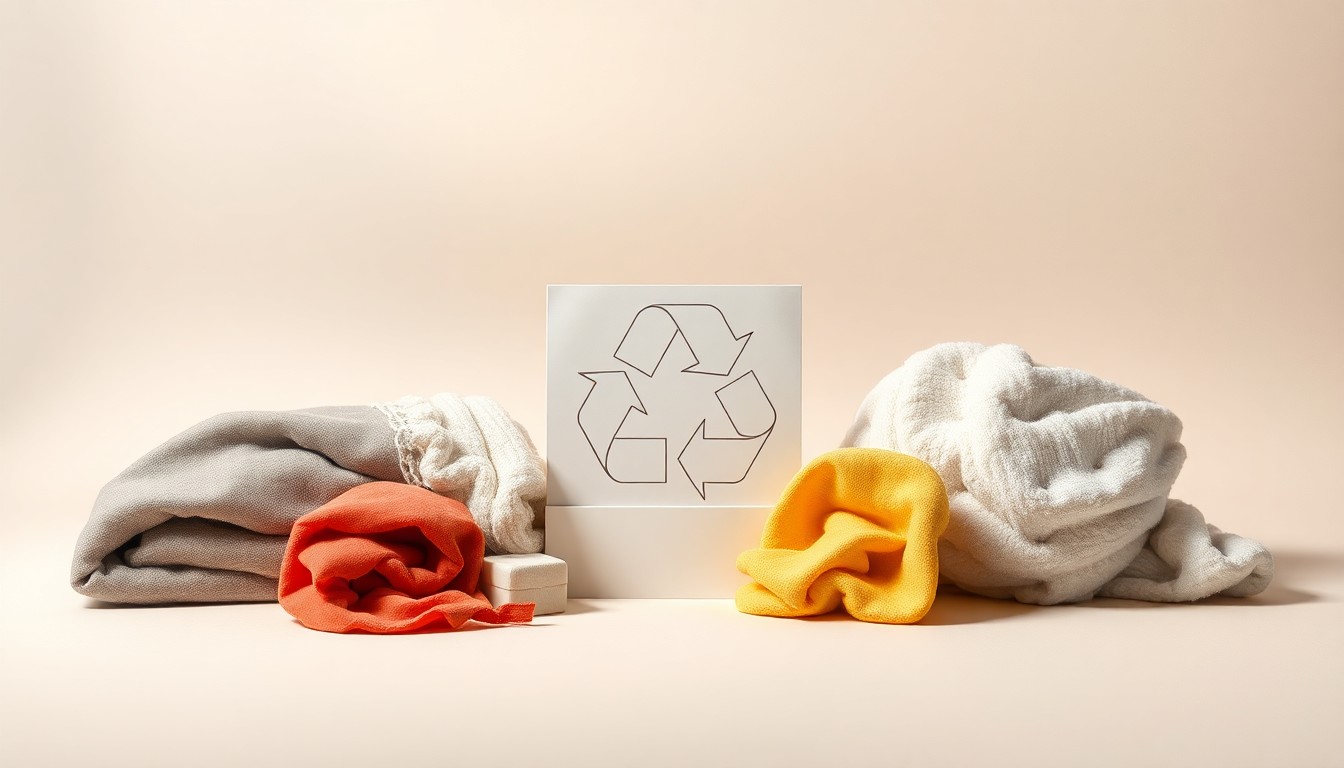 A refined, conceptual still life captures the high stakes and complex regulatory landscape surrounding California's new textile recycling program.Today in Sacramento
The American Apparel & Footwear Association (AAFA) has filed a legal petition challenging the California Department of Resources Recovery and Recycling's (CalRecycle) selection of Landbell USA as the producer responsibility organization (PRO) under the state's new Responsible Textile Recovery Act. AAFA alleges that Landbell USA does not meet the statutory requirements to manage the EPR program, as it was not formed by producers and lacks a diverse governing board and adequate financial controls.
Why it matters
California's new textile EPR law is the first of its kind in the U.S. and will establish a major recycling program once fully implemented. AAFA's challenge aims to ensure the PRO selected to oversee the program complies with the law's mandates, which were designed to create an industry-led, transparent, and financially sound system.
The details
S.B. 707 requires textile producers to invest in collection, sorting, reuse, repair and recycling infrastructure in California. CalRecycle selected Landbell USA over two other applicants to serve as the PRO, but AAFA claims Landbell USA does not meet the law's requirements. AAFA alleges Landbell USA is not a nonprofit formed by producers, lacks a diverse governing board, and failed to demonstrate adequate financial controls.
- CalRecycle announced Landbell USA's selection in late February 2026.
- AAFA filed its legal petition with the California Superior Court in Sacramento County.
The players
American Apparel & Footwear Association (AAFA)
A Washington-based trade association representing over 1,100 apparel and footwear brands, retailers, and manufacturers.
California Department of Resources Recovery and Recycling (CalRecycle)
The state agency responsible for implementing California's new textile extended producer responsibility law, S.B. 707.
Landbell USA
The organization selected by CalRecycle to serve as the producer responsibility organization for California's textile EPR program, which AAFA claims does not meet the law's requirements.
What they’re saying
“This EPR program is huge. It's an enormous undertaking, something we've been eager to see happen for a while. When it's fully up and running, it will be the largest EPR program for textiles on the planet, and we can't afford to get off on the wrong foot and a foot that's placed so far outside of the statute at this stage.”
— Stephen Lamar, President and CEO, AAFA
“So, this is an effort to try to bring the process back fully within the statute at the earliest possible moment and to do it in a way that doesn't lose any time because registration deadlines are coming up within 100 days, and we really can't afford to lose any more time on this.”
— Stephen Lamar, President and CEO, AAFA
What’s next
The California Superior Court in Sacramento County will review AAFA's petition and determine whether to vacate Landbell USA's approval as the producer responsibility organization for the state's textile EPR program.
The takeaway
AAFA's legal challenge highlights the importance of ensuring California's landmark textile recycling law is implemented properly, with an industry-led, transparent, and financially sound producer responsibility organization at the helm. The outcome of this case could set a precedent for future textile EPR programs across the U.S.
Sacramento top stories



Sacramento events

Apr. 2, 2026
Cristela Alonzo: The Midlife Mixtape Tour