- Today
- Holidays
- Birthdays
- Reminders
- Cities
- Atlanta
- Austin
- Baltimore
- Berwyn
- Beverly Hills
- Birmingham
- Boston
- Brooklyn
- Buffalo
- Charlotte
- Chicago
- Cincinnati
- Cleveland
- Columbus
- Dallas
- Denver
- Detroit
- Fort Worth
- Houston
- Indianapolis
- Knoxville
- Las Vegas
- Los Angeles
- Louisville
- Madison
- Memphis
- Miami
- Milwaukee
- Minneapolis
- Nashville
- New Orleans
- New York
- Omaha
- Orlando
- Philadelphia
- Phoenix
- Pittsburgh
- Portland
- Raleigh
- Richmond
- Rutherford
- Sacramento
- Salt Lake City
- San Antonio
- San Diego
- San Francisco
- San Jose
- Seattle
- Tampa
- Tucson
- Washington
Sacramento State's FBS Move Raises Financial Questions
Estimates of economic impact and broadcast revenue may be overstated, experts say
Published on Feb. 23, 2026
Got story updates? Submit your updates here. ›
Sacramento State University is set to become the 138th FBS program when it joins the MAC in 2026. The school has touted the potential economic benefits of the move, including a $975 million increase in athletic economic impact over five years and $675 million in national broadcast valuation. However, experts say these projections may be grossly overestimated, with the actual broadcast exposure impact likely closer to $81-$108 million annually. The move will also come with significant costs, including a $5 million fee to the NCAA and $18 million to the MAC. While the school claims no student fees or general funds will be used, the timing and feasibility of the move have raised questions.
Why it matters
Sacramento State's bold move to the FBS level and the MAC conference is a high-stakes gamble that could have major implications for the university's finances and athletics program. The school's rosy economic projections have been called into question, raising concerns about whether the potential benefits will truly materialize or if the costs may outweigh the rewards. This story highlights the complexities and risks involved in a Group of Six school's transition to the FBS level.
The details
According to the study commissioned by Sacramento State, the school's annual athletic economic impact is projected to skyrocket from an average of $62 million per year at the FCS level to $194.4 million per year once it transitions to FBS. This is primarily due to a 119% increase in external revenue and a 1,312% increase in broadcast exposure impact. However, experts say the school has overestimated these figures, with the actual broadcast exposure impact likely closer to $81-$108 million annually based on more realistic MAC television ratings. The move will also come with significant costs, including a $5 million fee to the NCAA, $18 million to the MAC (with $6 million due upfront), and covering opponent travel costs estimated at $800,000 per year. The school claims no student fees or general funds will be used, but the overall feasibility and timing of the move have raised questions.
- Sacramento State will officially join the MAC on July 1, 2026.
- The school was initially planning for the FBS move to happen in 2027 but accelerated the timeline.
- The announcement came after the transfer portal window had closed, leaving little time for the new coach to augment the roster.
The players
Dr. J Luke Wood
President of Sacramento State University.
Mark Orr
Athletic director of Sacramento State University.
Russell Wright
CEO of Collegiate Consulting, the firm that conducted the economic impact study for Sacramento State.
Alonzo Carter
First-year head football coach of Sacramento State University.
Jon Steinbrecher
Commissioner of the MAC conference.
What they’re saying
“I don't think that's right. That's not anywhere in our report, so I 100% question that.”
— Russell Wright, CEO of Collegiate Consulting (CBS Sports)
“What does this mean if we're on TV? We need folks to track how many people are going to the site. How many are students? If it's some crazy win, do you have an uptick in [donor] advancement? Do you have an uptick in any game day sales? The numbers by themselves, to your point, unless there's something actionable after the fact it's not really economic impact, it's more economic valuation.”
— Russell Wright, CEO of Collegiate Consulting (CBS Sports)
“It's history, and most important is history during Black History Month, you know when you combine those two things it made it so humbling. It's just such a blessing to be in the seat. You know. My kids' kids will be able to talk about this. We notice the statistics and the number, if I'm not mistaken, I make number 13 as far as African-American head coaches on the FBS level currently.”
— Alonzo Carter, Head Football Coach, Sacramento State University (CBS Sports)
What’s next
The judge in the case will decide on Tuesday whether or not to allow Walker Reed Quinn out on bail.
The takeaway
This case highlights growing concerns in the community about repeat offenders released on bail, raising questions about bail reform, public safety on SF streets, and if any special laws to govern autonomous vehicles in residential and commercial areas.
Sacramento top stories

Sacramento events

Mar. 9, 2026
An Evening with Michael Pollan
Mar. 10, 2026
Sacramento Kings vs. Indiana Pacers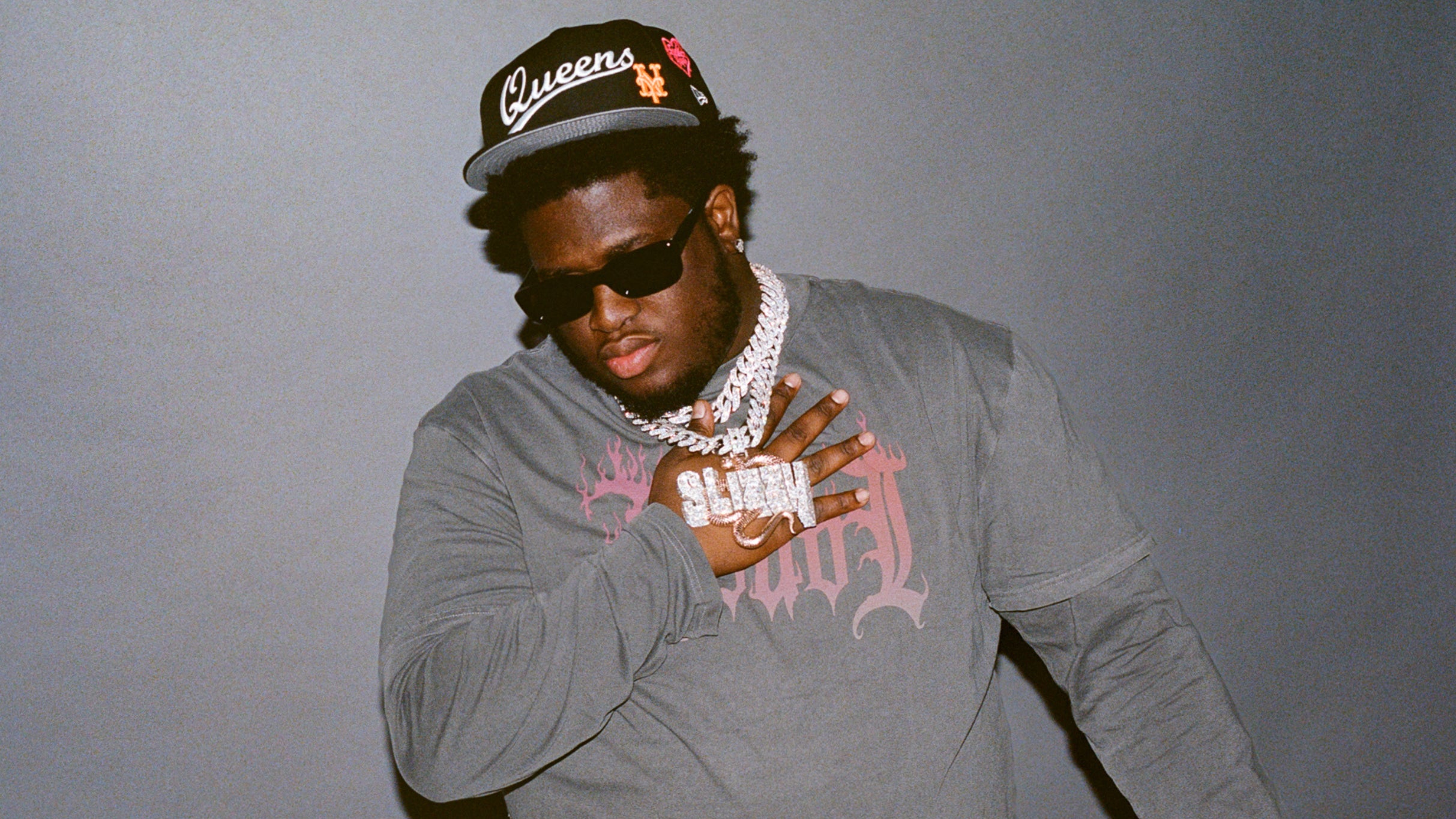
Mar. 10, 2026
Monster Energy Presents: Cash Cobain - Party with Slizzy